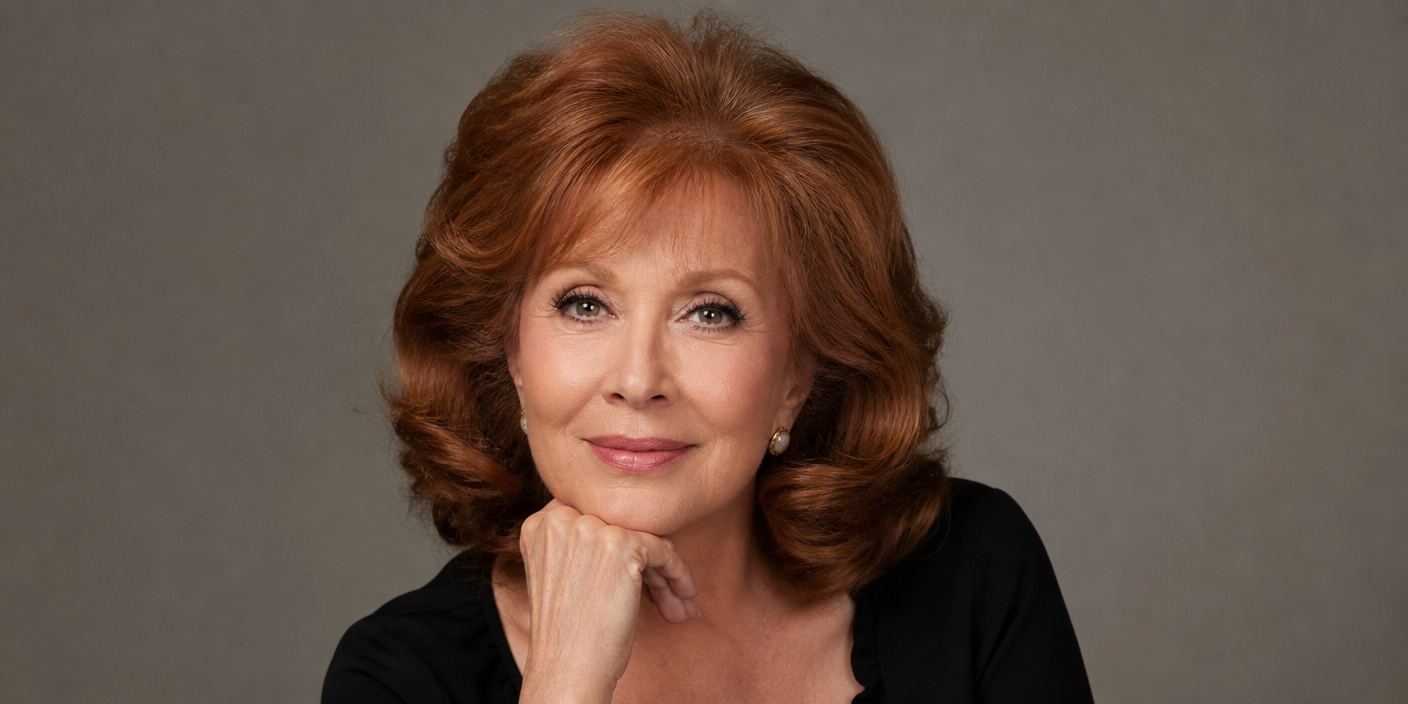
Shelley Fabares, the multi-talented actress and singer whose career spanned decades from her chart-topping musical success to her iconic roles on television staples The Donna Reed Show and Coach, has passed away at the age of 82. Her departure marks the end of a prolific era in Hollywood, one that saw the seamless transition from child stardom to iconic adult roles, defining the television landscape for generations of viewers.
Key Highlights
- Achieved No. 1 status on the Billboard Hot 100 with her 1962 breakout hit single, “Johnny Angel.”
- Starred as Mary Stone in the classic sitcom The Donna Reed Show (1958–1966), becoming a household name.
- Earned critical acclaim and multiple Emmy nominations for her role as Christine Armstrong in the long-running sitcom Coach (1989–1997).
- Successfully navigated significant health challenges, including a life-saving liver transplant in 2000, which led to years of advocacy.
- Survived by her husband of nearly 40 years, acclaimed actor Mike Farrell.
The Enduring Legacy of an American Icon
Shelley Fabares was more than just an actor; she was a cultural barometer for American television across the latter half of the 20th century. Born in Santa Monica, California, in 1944, Fabares was immersed in the industry from a young age. With an aunt who was a performer—the famous Nanette Fabray—the path to the screen felt natural, yet the specific trajectory she took was anything but common. Her career is a testament to longevity in a town often criticized for its inability to foster transition.
The Musical Phenomenon: ‘Johnny Angel’
In the early 1960s, the crossover appeal of television stars was a relatively new phenomenon. Fabares capitalized on this with “Johnny Angel,” a song released in 1962 that soared to the top of the Billboard charts. It was a cultural touchstone of the era, emblematic of the “girl group” pop sound that dominated the airwaves. While many actors at the time were warned against diluting their brand with music, Fabares proved that artistic versatility was not only possible but profitable. The song did more than sell records; it cemented her image in the minds of the American public as a multifaceted entertainer. Her subsequent albums on Colpix Records further established her as a genuine pop star, even as her schedule was dominated by the grueling production demands of the studio system.
Defining the Television Family: The Donna Reed Show
Before the music charts, however, there was The Donna Reed Show. Joining the cast in 1958 as Mary Stone, Fabares became one of the quintessential teenage archetypes of the suburban 1950s and 60s. The show itself was a pioneer in presenting a balanced, albeit idealized, view of the American family unit. Fabares’ portrayal of the daughter of a pediatrician provided a grounded reality against which the often-whimsical narratives played out. This role was not merely a job; it was a masterclass in professional performance, allowing her to refine her timing and presence alongside television legend Donna Reed. The success of this show established a blueprint for the family sitcom that would persist for decades, and Fabares was its golden thread.
The Renaissance: From ‘One Day at a Time’ to ‘Coach’
Following her success in the 60s, many child stars of that era faded into obscurity. Fabares did the opposite. Through the 1970s and 80s, she maintained a consistent presence on television, appearing in various guest spots and recurring roles. However, it was the 1989 debut of Coach that signaled a true creative renaissance. Playing Christine Armstrong, the romantic interest (and later wife) of Craig T. Nelson’s Coach Hayden Fox, Fabares brought a sharp, modern sensibility to the show. The chemistry between the two leads was palpable, turning the show into a ratings juggernaut. It was a role that garnered her consecutive Emmy Award nominations in 1990 and 1991, proving that her acting chops had only sharpened with time. She evolved from the quintessential “daughter” of television to the intellectual, career-driven partner, mirroring the shifting cultural roles of women in the workforce during that era.
Navigating Life Beyond the Spotlight
Perhaps the most defining chapter of Fabares’ life was her battle with health. In 2000, after suffering from autoimmune hepatitis, she underwent a liver transplant. It was a harrowing experience that she met with the same grace that defined her public persona. In the years following her recovery, she became a staunch advocate for organ donation awareness, using her platform to shed light on a medical necessity that few public figures spoke about openly at the time. Her willingness to share her vulnerability regarding her health endeared her to a new generation of fans who appreciated her authenticity, moving beyond the glamor of the screen to connect on a human level.
FAQ: People Also Ask
Was Shelley Fabares related to other famous actors?
Yes, she was the niece of the celebrated actress, dancer, and singer Nanette Fabray. This familial connection early in her life certainly helped introduce her to the nuances of the entertainment industry.
Did Shelley Fabares continue acting after her liver transplant?
While she significantly scaled back her on-camera appearances following her liver transplant in 2000, she remained active in the industry, focusing on voice-over work and public advocacy for organ donation awareness.
How long was Shelley Fabares married to Mike Farrell?
Shelley Fabares and actor Mike Farrell, best known for his role as B.J. Hunnicutt on MASH*, were married for nearly 40 years. Their relationship was considered one of Hollywood’s most enduring and stable partnerships.
Is “Johnny Angel” still considered a major hit?
“Johnny Angel” remains a seminal track of the early 1960s. It hit No. 1 on the Billboard Hot 100 in 1962 and is still frequently utilized in film and television soundtracks to evoke the specific nostalgia of that decade.