Major global events January 16, 2026, unfolded with significant geopolitical tensions dominating the news cycle. Several critical developments captured international attention on this particular day, which saw escalating disputes and significant political shifts, making it a busy news day worldwide with many key global events January 16.
Arctic Arena Heats Up: Global Events January 16
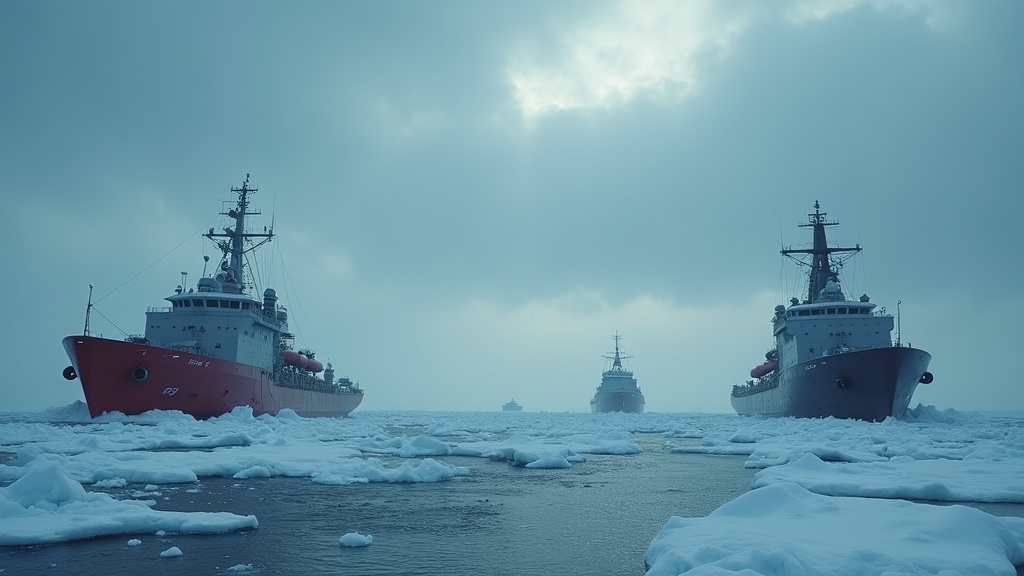
Russia announced plans to bolster its Arctic defense, a move responding to rising Arctic tensions Russia near Greenland. Moscow views certain activities there as a threat. Foreign Ministry spokeswoman Maria Zakharova voiced concerns, stating Russia will continue defending its Arctic positions and its national sovereignty in the region is a priority. Defense capabilities and infrastructure will be strengthened, including the Northern Sea Route. Meanwhile, France began deploying military personnel for Greenland as part of a reconnaissance mission, joined by several European nations including Germany, Sweden, Norway, and the UK. These deployments signal support for Denmark and aim to assure the US Greenland security. However, Poland declared it would not send soldiers, with Prime Minister Donald Tusk emphasizing NATO solidarity and warning against inter-NATO conflict. Poland prioritizes alliance stability. The US, meanwhile, maintains its interest, with President Trump viewing Greenland as vital for security and wanting the US to control the island. European troop movements did not deter him, as the White House sees these as not impacting its goals. Talks with Denmark and Greenland continue, though fundamental disagreements persist. The situation highlights growing Arctic geopolitical competition and the significance of global events January 16.
Middle East Turmoil Continues Amidst Global Events January 16
In the Middle East, significant events occurred. The Israeli army conducted airstrikes in Gaza, resulting in casualties and civilian losses as reported by local health authorities and Palestinian officials. Airstrikes hit homes in Deir al-Balah, killing several families, and Israeli forces also fired on civilians near Rafah, resulting in two deaths. The Gaza health authorities reported a high death toll in ongoing conflict since October 2023, with violations of a fragile ceasefire. The second phase of a US-announced plan began, but violence persisted.
Separately, the White House reported on Iran, noting that Iran halted around 800 planned executions following weeks of nationwide protests. White House spokeswoman Karoline Leavitt confirmed this, stating President Donald Trump closely monitored the situation and had warned Tehran of grave consequences. The US administration assessed developments, with further steps remaining possible. Iran faced widespread demonstrations fueled by anger over repression and hardship. Rights groups noted mass arrests and force, with executions used to deter dissent. Iran’s Foreign Minister denied plans for hanging, calling such punishment out of the question. Iranian officials accused the US and Israel of backing protests, highlighting severe internal issues and a tense situation. These developments were critical global events January 16.
Global Economic and Political Shifts on Global Events January 16
Economic and political shifts marked the day. The US finalized its first sale of Venezuelan oil, a $500 million transaction representing the initial phase of Washington’s plan after the US took control of Venezuela’s oil sector following President Nicolás Maduro’s capture. The US intends to sell more oil at higher prices, potentially benefiting both the US and Venezuela. Revenue is held in US-controlled accounts, with Qatar serving as a neutral location for some funds. President Trump indicated a large oil sale volume and US investment in Venezuela’s energy sector. However, US oil executives voiced concerns about legal uncertainty and unclear returns. This Venezuelan oil sale was a notable global event January 16.
In Singapore, a major political change occurred when Prime Minister Lawrence Wong removed Pritam Singh, the Leader of the Opposition, following parliamentary action. His criminal convictions made the role untenable. Mr. Wong stated this upholds the rule of law and preserves parliamentary dignity and integrity. The Workers’ Party must now nominate a new leader not implicated in past findings, a crucial position for parliamentary democracy. These shifts were important global events January 16.
Diplomatic Maneuvers and Espionage Claims on Global Events January 16
Diplomatic tensions surfaced as Russia announced the expulsion of a British Embassy employee, Gareth Samuel Davies, accused of espionage by the FSB and ordered to leave within two weeks. The British government dismissed these claims as baseless, stating such actions undermine diplomacy. Moscow warned of retaliatory measures. This Russian diplomat expulsion incident adds to strained UK-Russia relations. Espionage allegations are frequent, with previous expulsions occurring between both nations. Russia maintains a firm stance on national security, a key factor in understanding global events January 16.
A Day of Significant Global Events January 16
January 16, 2026, was a day of major global events. Arctic tensions rose with Russia’s defense buildup, and European nations deployed troops to Greenland, while the US maintained its acquisition aims. Middle Eastern conflicts continued with Gaza airstrikes casualties, and Iran faced internal unrest over protests and Iran protests executions. A US sale of Venezuelan oil marked economic shifts, and Singapore saw a change in its opposition leader. Diplomatic relations were strained by a Russian diplomat expulsion. These global events January 16 underscore a volatile global landscape, shaping international relations and security concerns. The day’s trending news pointed to ongoing geopolitical challenges and significant global events January 16 that will likely have lasting impacts.