Garrison Keillor’s “A Prairie Home Companion” remains a beloved cornerstone of American public radio, offering a unique blend of music, comedy, and storytelling that has captivated audiences for decades. The show, often characterized by Keillor’s warm, avuncular narration and its fictional town of Lake Wobegon, created a shared cultural space that felt both nostalgic and contemporary. Its enduring appeal lies in its gentle humor, its celebration of ordinary lives, and its masterful use of sound to paint vivid pictures in the listener’s mind. From its humble beginnings to its evolution under different hosts, the spirit of “A Prairie Home Companion” continues to resonate, cementing its place in broadcasting history.
Key Highlights:
- “A Prairie Home Companion” pioneered a unique blend of live music, comedy sketches, and storytelling on public radio.
- The show’s fictional town of Lake Wobegon became a cultural touchstone, symbolizing small-town American life.
- Garrison Keillor’s distinctive narrative voice and gentle humor were central to the show’s enduring charm.
- The program has seen a transition in hosting, but its core essence often remains a subject of discussion and appreciation.
- Its influence can be seen in subsequent radio shows and podcasts that aim to capture a similar intimate and engaging tone.
The Enduring Allure of “A Prairie Home Companion”
Genesis and Evolution of a Radio Institution
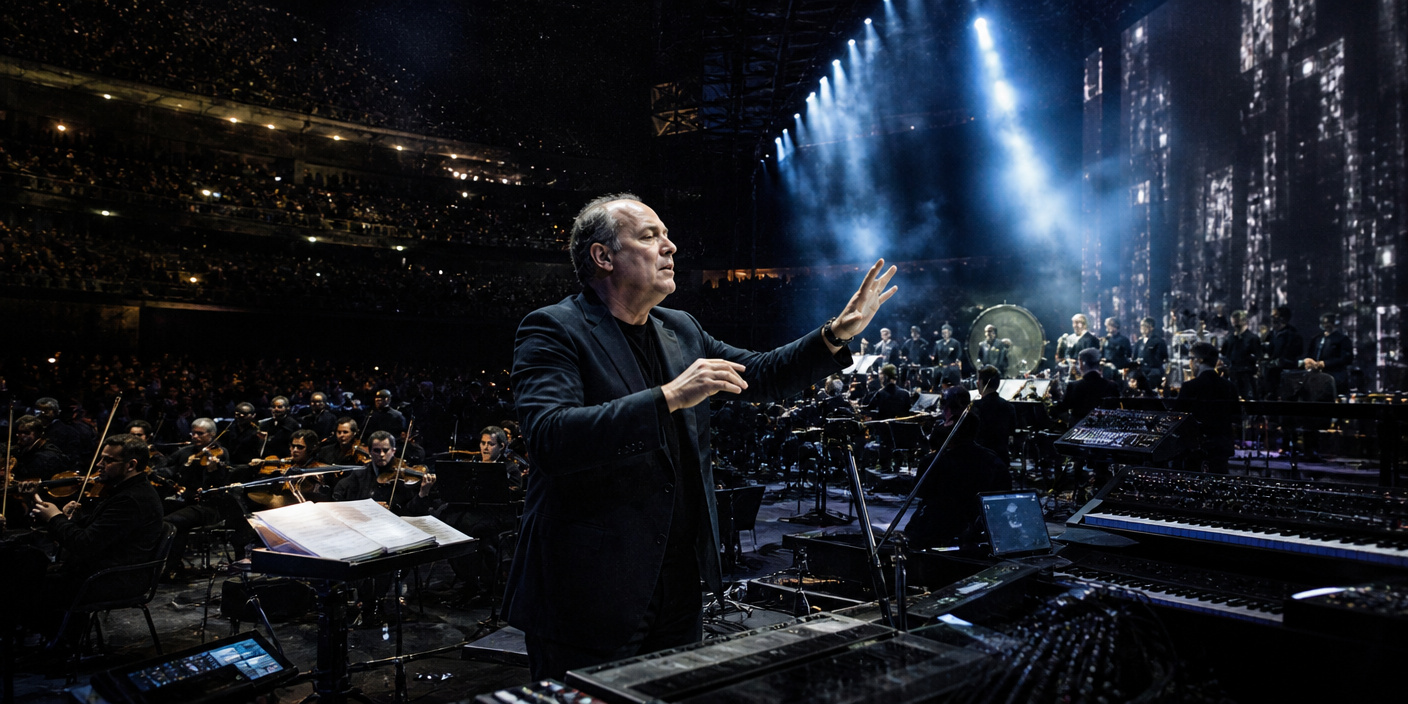
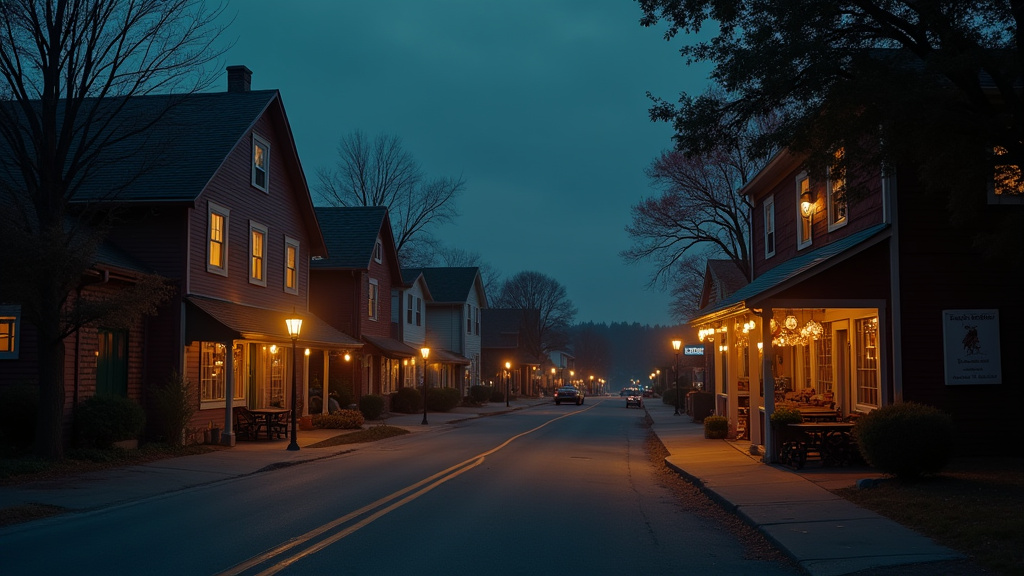
“A Prairie Home Companion” first aired in 1974, born from Garrison Keillor’s vision to create a different kind of radio program. Eschewing the fast-paced, often sensationalist trends in broadcasting, Keillor opted for a more deliberate, character-driven approach. The show was designed to feel like a live event, complete with a studio audience, musical guests, and Keillor’s signature monologues, known as “monnows.” These monnows, often delivered with a wry smile and a knowing wink, became a hallmark of the program, weaving together observations on life, politics, and the everyday absurdities of human existence. The fictional town of Lake Wobegon, introduced in 1985, served as the perfect canvas for these narratives. It was a place where “the women are strong, the men are good-looking, and all the children are above average.” This idealized, yet humorously flawed, setting allowed Keillor to explore universal themes of community, belonging, and the passage of time in a way that felt both specific and universally relatable.
The ‘Sound’ of Lake Wobegon: A Masterclass in Auditory Storytelling
One of the most remarkable aspects of “A Prairie Home Companion” was its ability to create a tangible world through sound alone. Keillor’s descriptive language, combined with the show’s adept use of sound effects and music, allowed listeners to vividly imagine the sights and smells of Lake Wobegon. The creak of a screen door, the distant chime of a church bell, the hum of a Saturday afternoon – these auditory cues transported audiences, making them feel like they were part of the community. The musical performances were also integral to the show’s identity, showcasing a diverse range of genres from folk and bluegrass to blues and gospel. These performances were not mere interludes but were woven into the fabric of the narrative, often setting the mood or underscoring a particular theme. The show’s commitment to high-quality audio production was paramount, ensuring that every word, every note, and every subtle sound effect contributed to the immersive experience.
Beyond Keillor: The Future and Legacy of the Companion
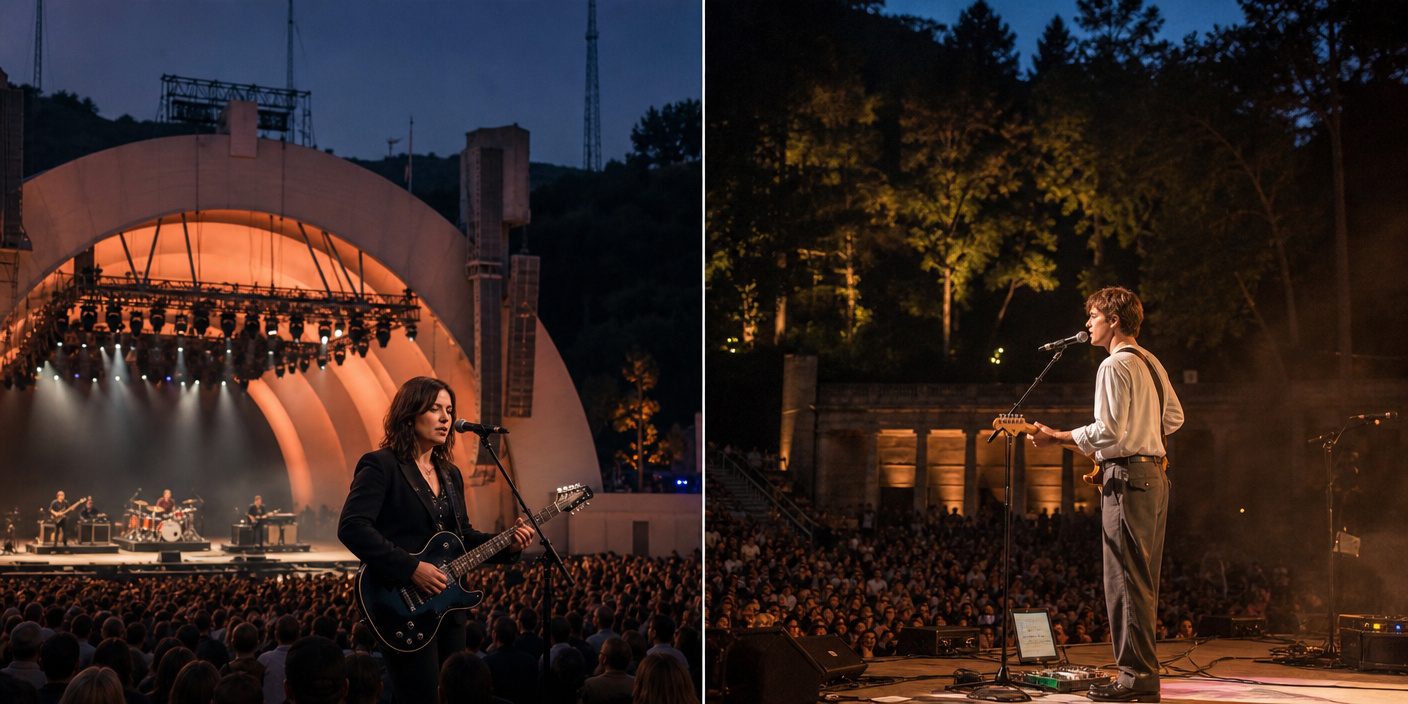
After nearly 40 years, Garrison Keillor stepped down as host of “A Prairie Home Companion” in 2016, passing the reins to mandolinist and singer Chris Thile. This transition marked a new chapter for the program, aiming to bring a fresh perspective while honoring the show’s rich heritage. Thile, known for his work with Nickel Creek and the Punch Brothers, brought his own musical sensibilities and a younger energy to the stage. While the show under Thile retained elements of its beloved formula, it also explored new musical territories and narrative approaches. The debate among fans about the show’s evolution under new leadership highlights the deep personal connection many listeners felt with Keillor’s original vision. Regardless of the host, the legacy of “A Prairie Home Companion” as a pioneering force in public broadcasting remains undisputed. It demonstrated the power of intimate, character-driven storytelling and high-quality musical curation to build and sustain a loyal audience, paving the way for a new generation of audio content creators.
Cultural Impact and Influence on Modern Media
“A Prairie Home Companion” has had a significant cultural impact, influencing not only public radio but also the broader landscape of audio entertainment. Its success proved that a slower, more thoughtful pace and a focus on authentic voices could find a substantial audience in an increasingly fragmented media environment. The show’s emphasis on community and shared experience resonated deeply, offering a counterpoint to the often isolating nature of modern life. Many contemporary podcasts and radio shows owe a debt to Keillor’s creation, adopting its techniques for creating intimacy, building narrative arcs, and cultivating a sense of place. The show’s ability to blend humor, music, and poignant reflection has become a benchmark for quality audio storytelling. Its enduring popularity serves as a testament to the timeless appeal of well-crafted narratives and the power of the human voice to connect us.
FAQ: People Also Ask
What is Garrison Keillor most famous for?
Garrison Keillor is most famous for creating and hosting the long-running public radio show “A Prairie Home Companion” and its fictional home, Lake Wobegon. His distinctive narrative style, gentle humor, and storytelling abilities made the show a cultural phenomenon.
What is Lake Wobegon?
Lake Wobegon is a fictional town in Minnesota created by Garrison Keillor, serving as the setting for many of his “A Prairie Home Companion” monologues and stories. It is often described as a small, idyllic, yet humorously eccentric Midwestern community.
Who took over hosting “A Prairie Home Companion” from Garrison Keillor?
Mandolinist and singer Chris Thile took over as the host of “A Prairie Home Companion” from Garrison Keillor in 2016. Thile brought his own musical expertise and a fresh perspective to the program.
How did “A Prairie Home Companion” influence public radio?
“A Prairie Home Companion” revolutionized public radio by demonstrating the mass appeal of intimate, character-driven storytelling and live musical performances. It proved that thoughtful, engaging content could build a large and dedicated audience, influencing subsequent programming and the development of podcasts.