The January Space Events of 2026 promise a spectacular celestial showcase for stargazers and space exploration enthusiasts alike. This month is packed with several major global astronomical events, making it an exciting start to the year. The Quadrantid meteor shower begins the year’s astronomical highlights, followed by Jupiter’s dazzling opposition. Furthermore, significant January Space Events include crucial space missions scheduled for launch, adding a technological marvel to the cosmic display.
Quadrantid Meteor Shower: January Space Events Face Moonlight Challenge
The Quadrantid meteor shower, a significant component of January Space Events, is among the year’s most potent displays. It is expected to peak around January 3rd and 4th. Observers might see up to 120 meteors per hour under ideal conditions. However, viewing prospects for the Quadrantids in 2026 are significantly diminished due to the first full moon of the year occurring on January 3rd. This bright moonlight will wash out fainter meteors, meaning only the brightest fireballs may be visible through the glare. The shower’s peak activity lasts only about six hours and is best viewed from the Northern Hemisphere. The meteors appear to radiate from the constellation Boötes. This shower is associated with asteroid 2003 EH1, a key detail in understanding these January Space Events.
Jupiter Shines Brightest: A Key January Space Event
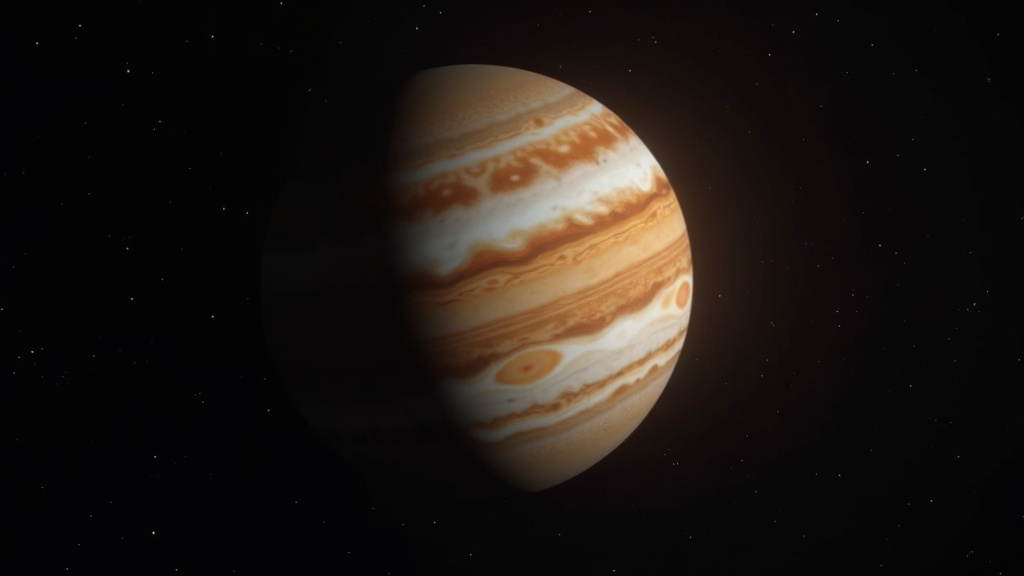
Jupiter reaches its opposition on January 10th, 2026, marking a major highlight in the January Space Events calendar. This alignment occurs when Earth passes directly between Jupiter and the Sun. Consequently, Jupiter appears at its largest and brightest for the entire year. The gas giant will rise around sunset and remain visible throughout the night. Jupiter will achieve a magnitude of -2.7, making it the fourth brightest object in the night sky after the Sun, Moon, and Venus. The planet will be visible in the constellation Gemini. This Jupiter opposition 2026 event is a major celestial highlight visible worldwide and a standout among January Space Events.
Major January Space Events: Missions Take Flight
January 2026 marks crucial milestones in space exploration, with several major January Space Events taking flight. SpaceX targets the first quarter of 2026 for Starship Flight 12. This flight will use Booster 19 and Ship 39, the first Block or Version 3 vehicles. These next-generation vehicles are capable of orbital flights, with a key objective being testing in-space refueling capabilities. Some reports suggest a potential Starship launch date in late January. These developments are vital space exploration news and integral to understanding January Space Events.
NASA’s Artemis 2 mission is also preparing for launch, another significant event within the broader scope of January Space Events. This crewed lunar flyby is scheduled for no earlier than February 5, 2026, making it the first human journey to the Moon’s vicinity since 1972. Four astronauts will orbit the Moon during this 10-day mission. The mission will test critical life support systems for future lunar endeavors, contributing to the ongoing narrative of space exploration news and January Space Events.
Annular Solar Eclipse Graces Southern Skies (Following January Space Events)
Looking ahead to February, an annular solar eclipse occurs on the 17th, following the primary January Space Events. This event creates a spectacular ‘ring of fire’ effect as the Moon’s apparent diameter will be smaller than the Sun’s. Annularity will be visible only over Antarctica, but a partial eclipse will be visible across southern South America and southern Africa. The maximum duration of the ‘ring of fire’ is about two minutes and twenty seconds. Proper eye protection is absolutely essential for viewing this breathtaking celestial event.
Trending Music Festival Insights Emerge (Concurrent with January Space Events)
Beyond the captivating January Space Events, early 2026 also brings insights into trending festivals. A podcast episode on January 10th, 2026, discussed emerging trends for music festivals in the coming year. One significant trend highlighted is the increasing reliance on software for event management. This move aims to streamline operations and boost efficiency. The “Music Festivals Podcast” provides comprehensive guides and insider interviews, helping festival enthusiasts stay informed about lineups, dates, and planning tips, even as we focus on astronomical highlights.
A Month of Cosmic and Technological Marvels: January Space Events Highlight
January 2026 promises a thrilling start to the year, brimming with exciting January Space Events. The Quadrantids offer a chance for meteor sightings, though challenged by moonlight. Jupiter’s opposition provides a stunning planetary view, a true astronomical highlight. Furthermore, major January Space Events like the potential Starship launch and the Artemis 2 mission underscore rapid advancements in space exploration. These January Space Events highlight humanity’s continued reach for the stars. The varied January Space Events offer something for every skywatcher and space enthusiast, making January 2026 astronomy a must-watch.