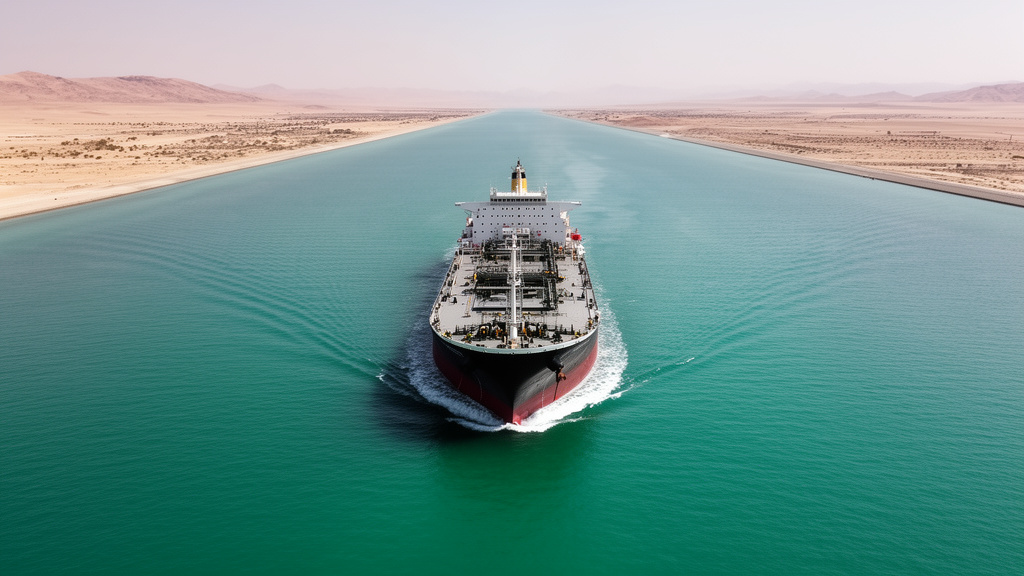
The narrow, 21-mile-wide passage of the Strait of Hormuz remains the world’s most critical maritime chokepoint. In June 2019, this vital artery became the epicenter of a high-stakes geopolitical standoff, as tensions between Washington and Tehran reached a boiling point following the downing of a U.S. RQ-4 Global Hawk surveillance drone by Iranian forces. Reports emerged that the United States had planned military retaliations, only for those strikes to be aborted minutes before execution—a pivot that catalyzed a frantic, behind-the-scenes diplomatic scramble. At the center of this de-escalation effort stood the Sultanate of Oman, which leveraged its unique position as a neutral regional interlocutor to establish a precarious diplomatic route that effectively prioritized maritime stability over open conflict.
Key Highlights
- The 2019 Flashpoint: The aborted U.S. military strike in June 2019 followed the downing of a $130 million U.S. Navy surveillance drone, bringing both nations to the precipice of direct armed conflict.
- Strategic Chokepoint: The Strait of Hormuz facilitates the transit of approximately 21 million barrels of oil per day, representing nearly one-third of the world’s seaborne-traded petroleum.
- Oman’s Diplomatic Infrastructure: As a long-standing mediator, Oman utilized its back-channel communication lines between Tehran and Washington to facilitate de-escalation, preventing the closure of the Strait.
- Economic Volatility: Global oil markets reacted sharply to the uncertainty, with crude prices fluctuating significantly based on fears of a total blockage of the waterway.
Diplomatic Tides: The Strategic Shift in the Strait of Hormuz
The events of June 2019 serve as a masterclass in crisis management within the Middle East. When the Trump administration opted to stand down its military assets shortly before a planned strike on Iranian targets, it created a vacuum that required immediate diplomatic filling. That vacuum was occupied almost immediately by the Sultanate of Oman, a nation that has historically served as the ‘Switzerland of the Middle East.’
The Anatomy of the Near-Miss
To understand the necessity of the diplomatic maneuvering that followed, one must first recognize the scale of the threat. The Strait of Hormuz is not merely a waterway; it is an economic juggernaut. When Iran asserted its control over the area by shooting down the U.S. drone, the global insurance and shipping markets went into a tailspin. The Pentagon’s decision to cancel strikes was viewed by international observers as a strategic pause, allowing for the frantic mobilization of diplomatic channels. This pause was critical; it prevented the kinetic escalation that many feared would lead to a protracted regional war, which would have inevitably required the permanent closure of the shipping lane.
Muscat’s Neutral Ground
Oman’s role in this crisis was not accidental; it was institutional. Having maintained amicable relationships with both the United States and the Islamic Republic of Iran for decades, Muscat provided the physical and diplomatic space for negotiations. While the world focused on the rhetoric emanating from Washington and Tehran, Omani officials were engaged in a tireless cycle of shuttle diplomacy. This involved conveying direct, unvarnished warnings and counter-proposals that would have been impossible through public diplomatic channels. By ensuring that lines of communication remained open, Oman allowed both parties to ‘de-escalate with dignity,’ providing a framework where military posturing could yield to maritime security agreements.
Economic Imperatives and Global Stability
Beyond the political maneuvering lies the raw economic reality: the global energy supply. The Strait of Hormuz is a narrow bottleneck that cannot be bypassed. Major energy importers, particularly in Asia, rely on this route for consistent supply. The fear of a ‘Hormuz deal’ failing was not just about military peace; it was about the potential for a catastrophic spike in oil prices that would have triggered a global economic recession. Consequently, the diplomatic efforts led by Oman were heavily supported by international stakeholders, including the United Kingdom, Japan, and the European Union, all of whom exerted pressure on both sides to utilize the mediated channel for conflict resolution rather than military force.
The Legacy of 2019
Looking back, the crisis in the Strait of Hormuz redefined how regional powers interact with global superpowers in the 21st century. It proved that in an era of hyper-connected global trade, the cost of direct military confrontation is often too high even for adversaries. The ‘deal’—or more accurately, the unspoken understanding to refrain from targeting shipping—was the tangible result of this realization. While tensions have waxed and waned in the years since, the incident established a precedent where middle-power diplomacy serves as the final barrier against unintended war.
FAQ: People Also Ask
1. Why is the Strait of Hormuz so strategically significant?
It is the world’s most important oil chokepoint. Roughly 20% of the world’s total oil consumption moves through this narrow passage daily, making it critical to global energy security.
2. What makes Oman an effective mediator in the Middle East?
Oman maintains a policy of ‘positive neutrality.’ It historically avoids participating in regional conflicts and maintains diplomatic relations with countries that are often at odds, such as the US, Iran, and various Gulf states, allowing it to act as an essential back-channel.
3. Did the US ever strike Iran after the drone incident?
No. While there were cyber operations and targeted sanctions applied, the kinetic, overt military strikes originally planned by the Trump administration were famously called off at the eleventh hour, shifting the conflict dynamic entirely toward political and economic pressure.
4. How does a maritime ‘deal’ work in practice?
It is rarely a single, signed treaty. Instead, it involves tacit agreements, confidence-building measures, and clear communication channels to ensure that military maneuvers do not accidentally trigger a broader conflict. It creates ‘rules of the road’ for naval forces in the region.