Mission Success Leads to Counter-Strikes
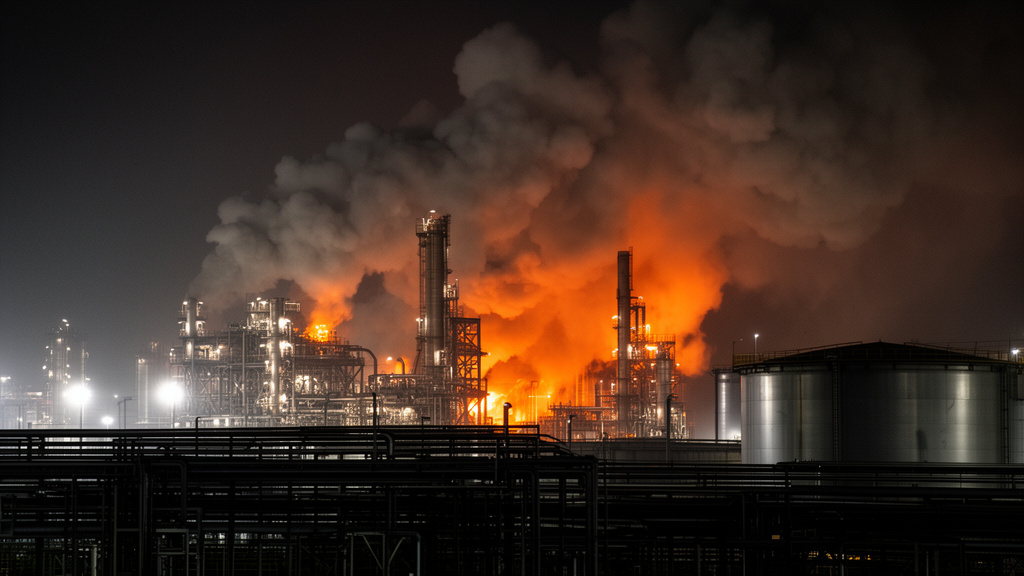
The complex, multi-layered operation to recover the U.S. F-15E aircrew following a distress incident deep within regional airspace was heralded as a tactical success by military officials. However, the victory was brief, as the Pentagon promptly authorized a new wave of retaliatory strikes against strategic nodes inside Iran. This maneuver serves as both a demonstration of force and a calculated response to the persistent threat posed to coalition assets operating in the Middle East. Defense analysts are characterizing this move as a pivot from defensive posturing to a more proactive offensive posture aimed at degrading the capabilities that necessitated the rescue mission in the first place.
Strategic Objectives and Military Doctrine
The escalation highlights a shift in operational doctrine within the theater. The primary objective behind the latest round of strikes is the neutralization of radar installations and storage facilities linked to the tactical threats that compromised the F-15E. By targeting these assets, the U.S. aims to re-establish air superiority and create a buffer that ensures the safety of future reconnaissance and combat sorties. This approach signals to regional adversaries that the cost of interfering with coalition air assets will be met with swift and direct engagement. From a strategic perspective, the focus is not merely on retaliation but on long-term infrastructure degradation.
Geopolitical Ramifications and Regional Stability
Beyond the immediate tactical gains, the decision to strike within Iranian territory carries heavy geopolitical weight. These developments have sent diplomatic channels into overdrive, as allies and adversaries alike assess the potential for a wider conflict. The risk of miscalculation remains high, yet the U.S. administration maintains that these strikes are necessary for the protection of service members. The international community is watching closely, particularly how this development influences oil markets and regional security alliances. While the immediate goal is force protection, the long-term impact on the stability of the Gulf region remains uncertain, with diplomatic tensions reaching a critical inflection point.
Future Operational Outlook
Looking ahead, the military is likely to maintain a heightened state of readiness. The success of the rescue mission proved the capability of rapid-response teams, but the subsequent offensive actions necessitate a continued supply of precision munitions and sustained naval presence in the region. Commanders are expected to monitor the effectiveness of these strikes, adjusting target lists in real-time based on battle damage assessments. As the situation evolves, the priority remains the security of the airspace and the deterrence of further aggression against coalition forces. The coming days will be decisive in determining whether this escalation remains contained or threatens to spill over into a more significant regional confrontation, as stakeholders weigh the risks of further military engagement against the potential for a fragile diplomatic de-escalation.