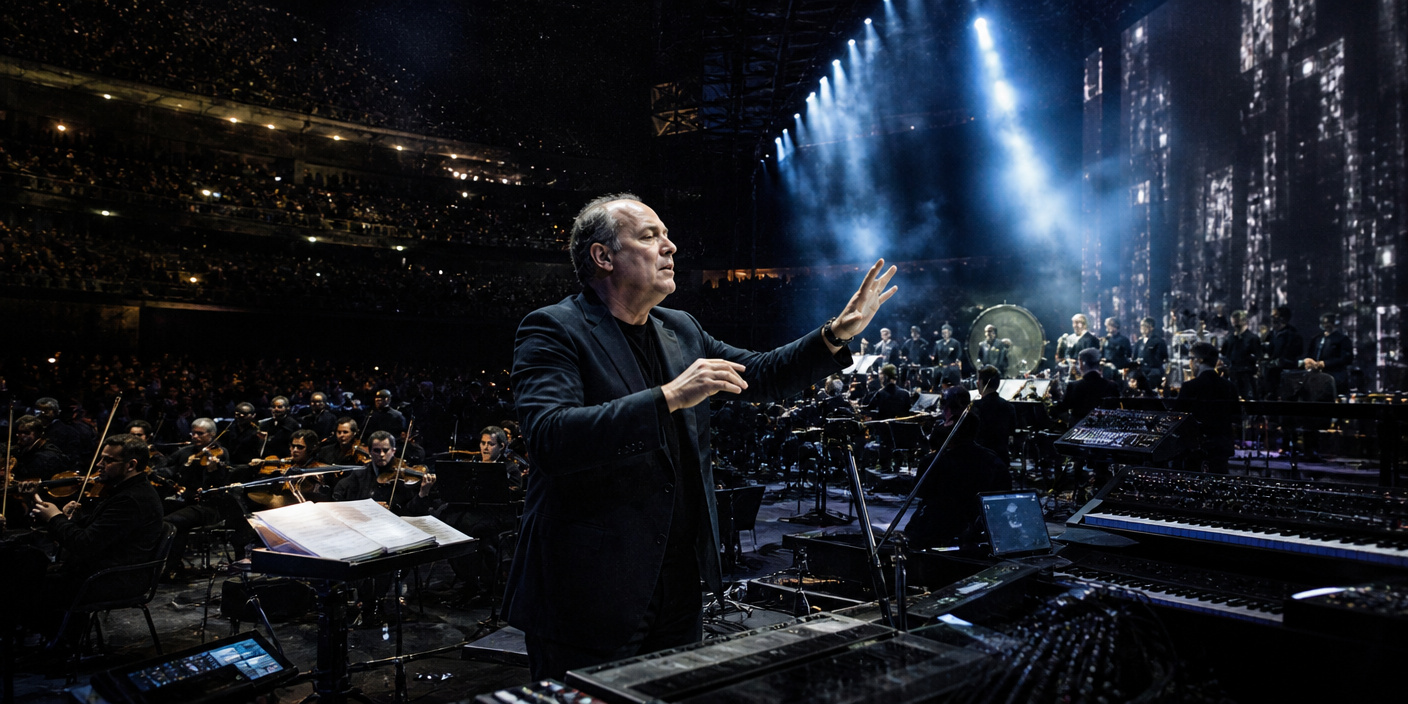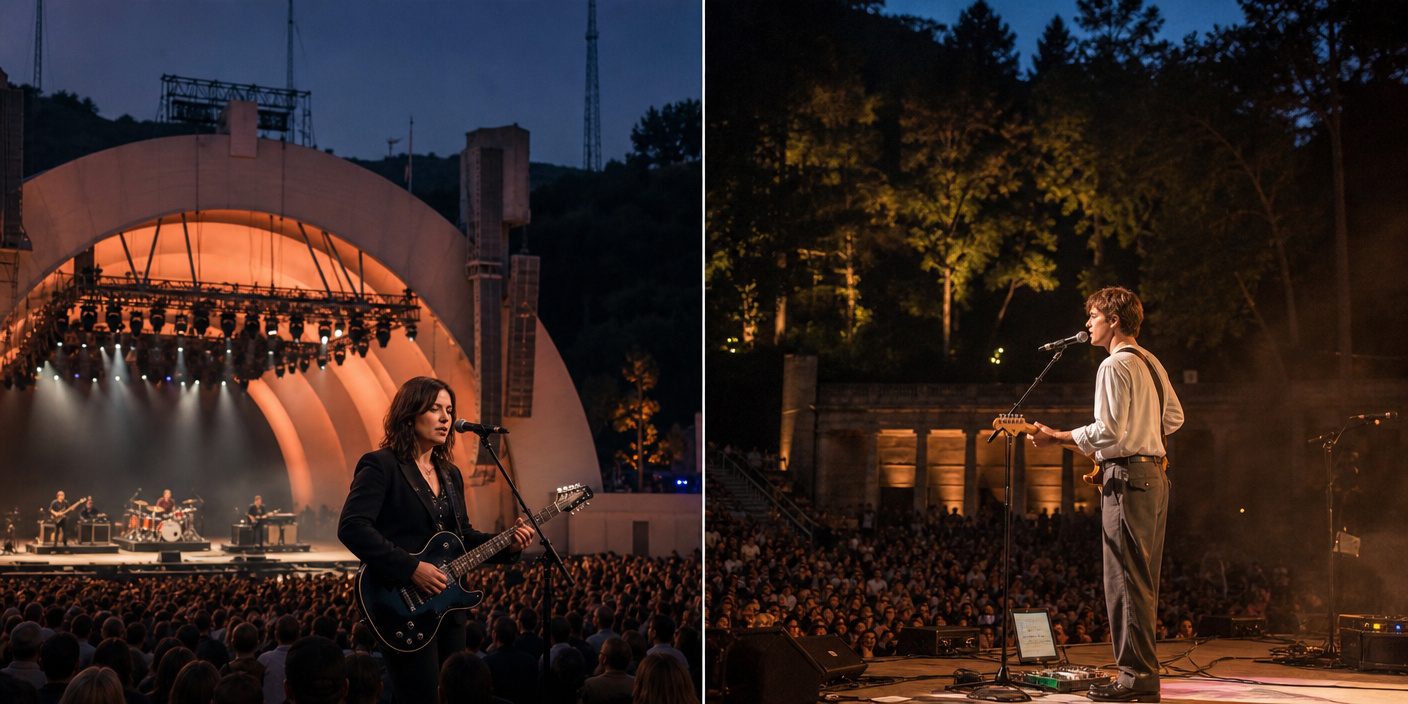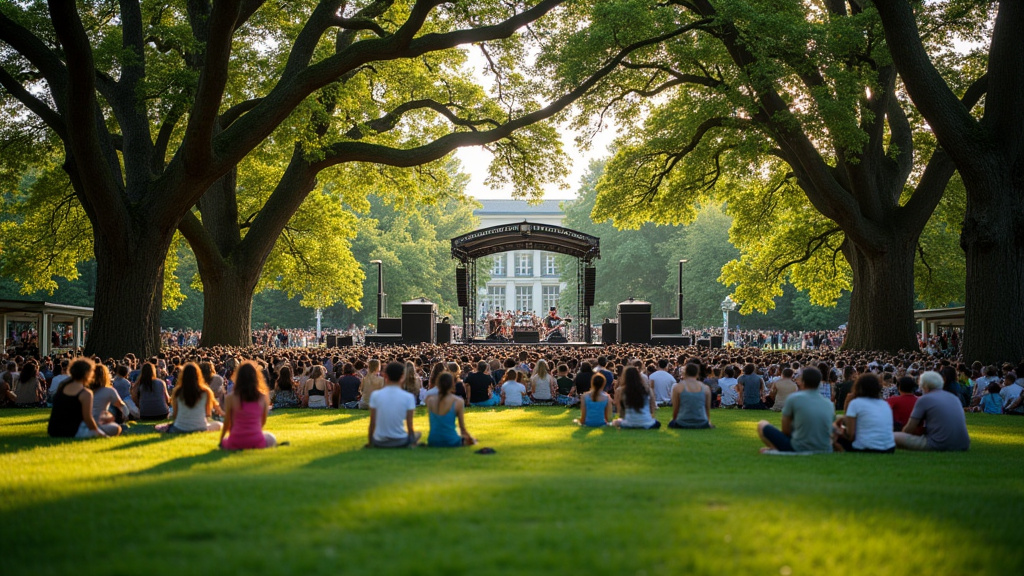
The Richmond Jazz and Music Festival made its much-anticipated return to the lush, historic landscapes of Maymont Park this past weekend, August 8-9, 2026, solidifying the event’s status as a cornerstone of Virginia’s cultural calendar. Featuring a curated lineup of jazz and R&B legends, the festival transformed the rolling hills of the Richmond estate into an immersive outdoor experience for thousands of music lovers.
Key Highlights
- Event Dates: August 8-9, 2026, marking a successful mid-summer return.
- Venue: The historic Maymont Park, providing a 100-acre backdrop for live performances.
- Genre Focus: A deep dive into classic Jazz, R&B, Soul, and Funk, showcasing both heritage acts and emerging innovators.
- Regional Impact: Strengthening Richmond’s position as a vital cultural hub in the Mid-Atlantic arts scene.
Resonance at the Estate: The 2026 Richmond Jazz and Music Festival
For two days in early August, the sprawling gardens and manicured lawns of Maymont Park were transformed into a symphony of sound. The 2026 Richmond Jazz and Music Festival, a highly anticipated annual affair, once again proved that the marriage of acoustic mastery and historic architecture creates an unparalleled atmosphere. Attendees from across Virginia and the surrounding states gathered in the park’s signature open-air settings, creating a communal experience that is becoming increasingly rare in the age of digital streaming.
A Historic Stage for Contemporary Sound
Maymont Park, originally a Gilded Age estate, provides a unique canvas for a music festival. Unlike the rigid, concrete environments of arena tours, Maymont offers a softer, more intimate acoustic experience. The festival organizers carefully managed the site to preserve the integrity of the Victorian-era gardens while ensuring high-fidelity sound for thousands of visitors. The juxtaposition of high-energy R&B rhythms against the backdrop of the park’s stone structures and ancient trees created a sensory experience that defines the event’s aesthetic. This year’s production design leaned into the natural landscape, with main stages positioned to take advantage of the estate’s natural amphitheater-like slopes, ensuring clear sightlines and optimal sound diffusion for the audience spread across the lawns.
The Artistic Lineup: Bridging Jazz and R&B
The curation for the 2026 edition focused on a delicate balance: honoring the pillars of jazz while injecting the festival with the rhythmic energy of contemporary R&B. The goal was to reach a multi-generational audience. By programming legends who have defined the jazz canon alongside modern innovators, the festival successfully bridged a demographic divide. The performances were more than just concerts; they were masterclasses in live instrumentation. The emphasis remained on ‘real music’—live horns, walking basslines, and vocal improvisation—which resonated deeply with the core audience. The festival’s programming committee noted that this year’s artist selection was aimed at highlighting the lineage of Black music, tracing the direct connection from the jazz improvisations of the mid-20th century to the soul and R&B movements that dominate the current streaming charts. Attendees witnessed collaborations and ‘sit-ins’ that are rare in modern touring, a testament to the respect the Richmond Jazz and Music Festival commands within the industry.
Economic and Community Impact in Richmond
The Richmond Jazz and Music Festival is not merely an artistic showcase; it is a vital economic engine for the city. Local tourism boards reported high occupancy rates in hotels across Richmond and the surrounding metro area during the weekend of August 8-9. The influx of visitors supported local restaurants, transport services, and boutique retailers. Beyond the direct financial impact, the festival fosters a sense of civic pride. It serves as a flagship event that defines Richmond’s identity as a city that values culture and history. In a post-pandemic era where many mid-sized cities are struggling to rebuild their tourism and event economies, the successful execution of this year’s festival highlights the resilience of the local event sector. It also serves as a case study for how mid-sized urban centers can leverage their historic landmarks to create sustainable, recurring cultural tourism products.
The Evolution of the Maymont Experience
Looking forward, the festival organizers are focused on long-term sustainability. As the demand for experiential travel grows, the pressure to evolve the festival’s amenities—ranging from VIP lounge infrastructure to digital ticketing and onsite catering partnerships—is paramount. The 2026 event set a new bar for logistics, with enhanced shuttle services and mobile app integration that streamlined the visitor experience. However, the core of the event remains its low-stress, high-pleasure environment. As urban spaces become more crowded, the ‘park festival’ model offers a reprieve. The 2026 festival demonstrated that as long as the curation remains top-tier, audiences are willing to travel and pay for high-quality, in-person experiences that provide a break from the relentless pace of modern life. The organizers are already looking ahead to 2027, with preliminary talks suggesting an expansion of educational outreach programs involving local music students, further embedding the festival into the city’s academic and social fabric.
FAQ: People Also Ask
Q: When is the Richmond Jazz and Music Festival held?
A: The festival traditionally takes place in the summer. In 2026, the event was held on August 8-9.
Q: Where exactly is the festival located?
A: The event is hosted at Maymont Park in Richmond, Virginia, a 100-acre historic estate.
Q: Is the festival suitable for all ages?
A: Yes, the festival is designed as an outdoor, family-friendly event, offering a relaxed environment on the lawns of Maymont.
Q: How does the festival impact the Richmond economy?
A: The festival serves as a significant tourism driver, increasing demand for local lodging, dining, and transportation services, and establishing Richmond as a destination for cultural arts.