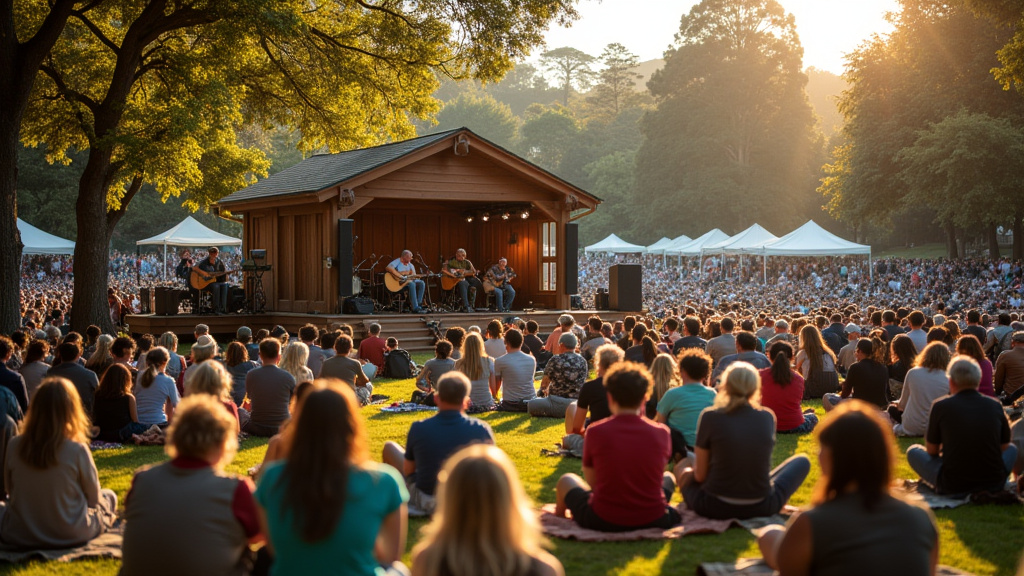
As the fog retreats and the Bay Area enters its most golden, temperate season, the local arts landscape undergoes a remarkable transformation. Following a comprehensive review by the KQED Arts & Culture team, we have compiled the definitive guide to the cultural events, concerts, and festivals defining the Bay Area’s fall 2026 season. Whether you are a long-time resident or a new arrival, this autumn presents a unique confluence of high-impact musical performances, provocative gallery exhibitions, and community-driven street festivals that highlight the resilience and creativity of the region.
Key Highlights
- The Return of HSB: Hardly Strictly Bluegrass returns to Golden Gate Park, reinforcing its status as the heartbeat of Bay Area fall music.
- Museum Renaissance: Major retrospectives at SFMOMA and the Yerba Buena Center for the Arts are set to anchor the visual arts season.
- Infrastructure & Access: Increased transit options for major events are expected to ease commute times during the busy Fleet Week window.
- Community Integration: A renewed focus on hyper-local street fairs, shifting cultural engagement back to neighborhood-centric models.
Navigating the Bay’s Autumn Cultural Renaissance
The Bay Area’s cultural identity is often defined by the paradox of its geography—a region that blends rugged, natural beauty with a hyper-accelerated tech economy. This fall, that intersection is more visible than ever. The KQED guide suggests that the 2026 season is not just about entertainment; it is about reclaiming the public sphere.
The Sonic Landscape: From Bluegrass to Avant-Garde
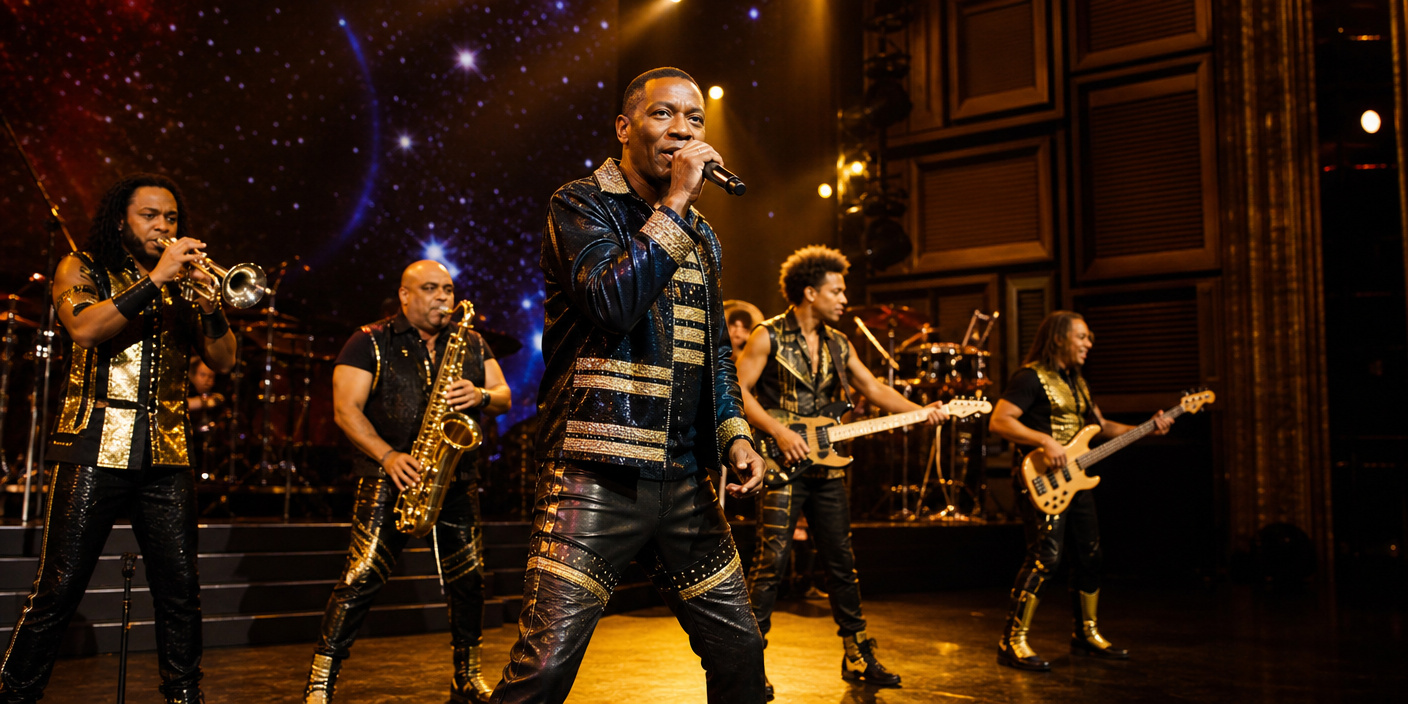
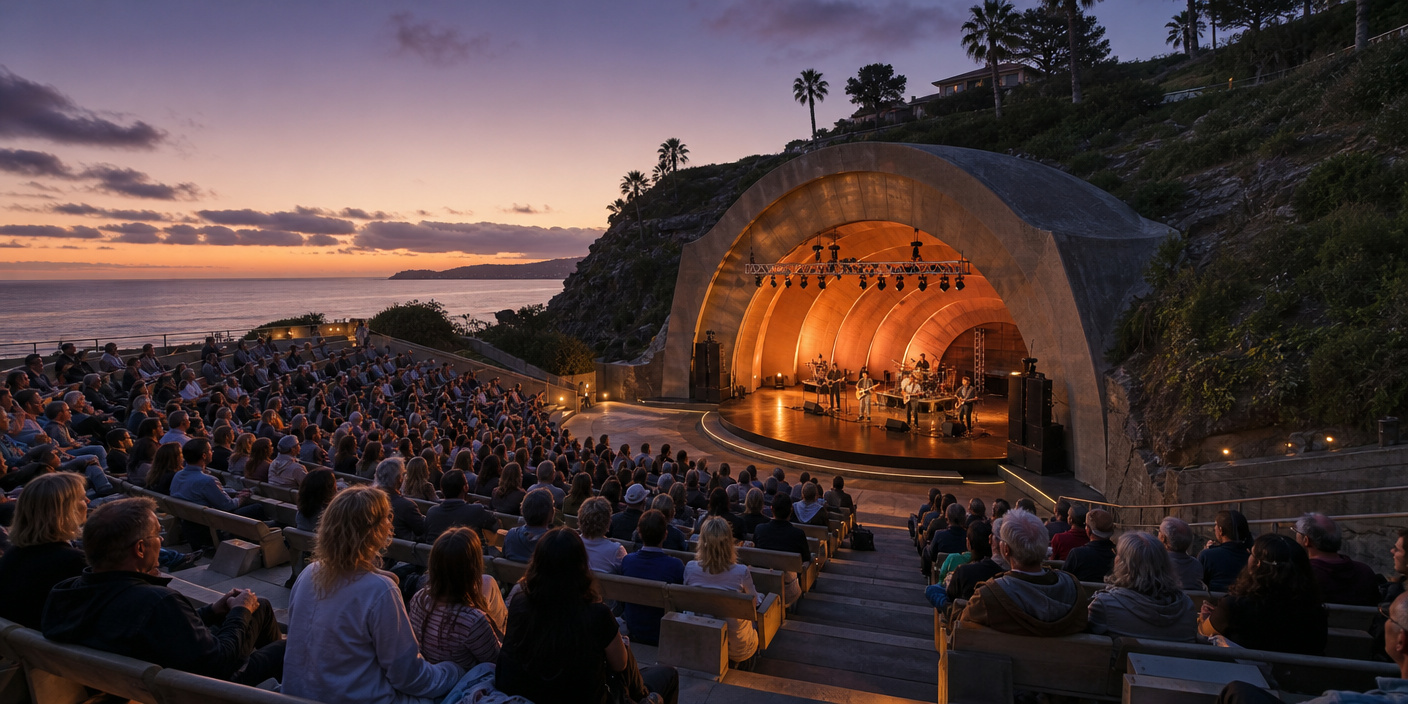
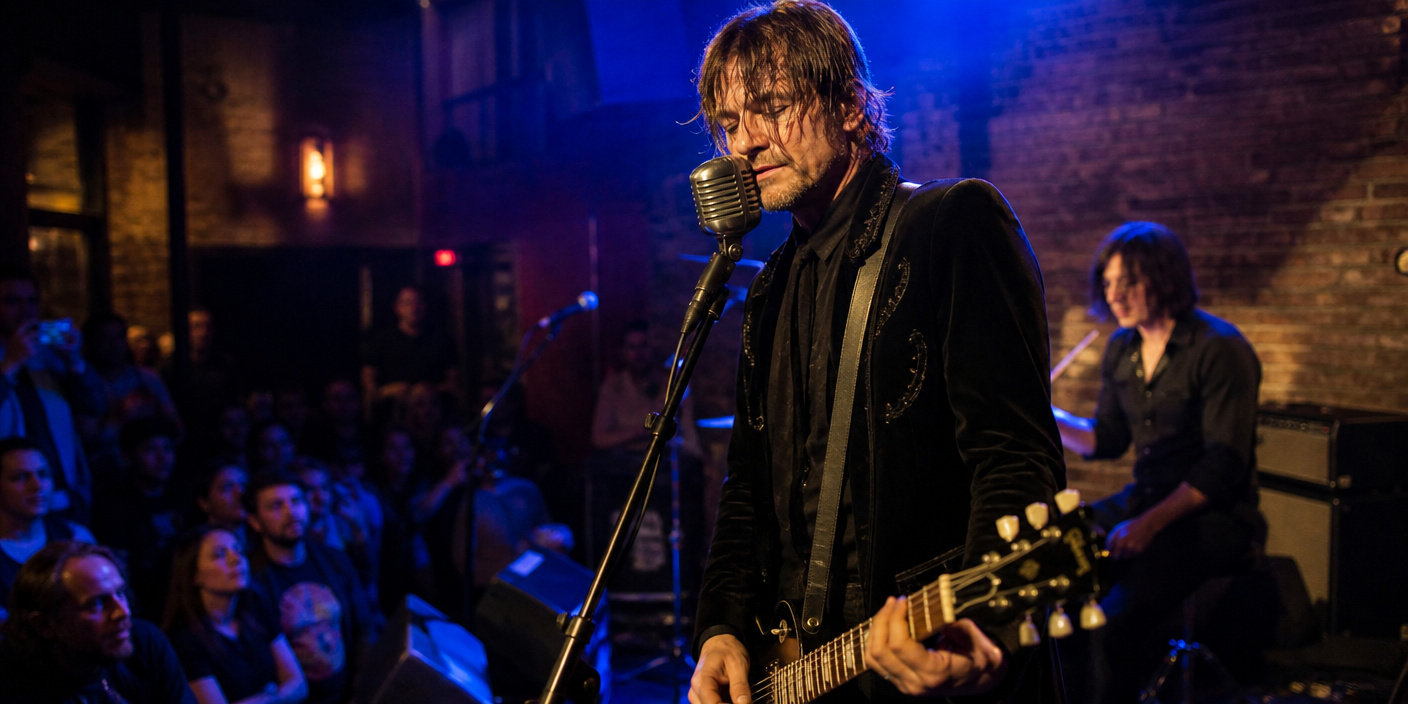
Music remains the primary driver of fall attendance. The crown jewel, Hardly Strictly Bluegrass (HSB), continues to serve as the region’s largest free cultural event. For 2026, the festival has leaned into a more curated artist lineup, focusing on deep-cut folk and Americana acts while integrating local experimental artists. The SF Jazz Center, meanwhile, has scheduled a robust series of fall residency programs. These performances offer an intimate alternative to the sprawling park stages, providing a sanctuary for jazz enthusiasts looking to engage with international headliners and local virtuosos alike. The shift this year is toward “immersive listening”—concert venues are increasingly investing in spatial audio technologies to ensure that even the most casual listener has a premium auditory experience. It is worth noting that while ticket prices for indoor venues have seen a marginal inflationary increase, the density of programming has increased by 15%, providing more options than in previous seasons.
Visual Arts: The Gallery and Museum Pivot
Beyond the stage, the visual arts sector is experiencing a period of intense intellectual growth. SFMOMA’s fall exhibition schedule is particularly ambitious, featuring a multi-media retrospective on the impact of early 21st-century digital art on current architectural trends in the Bay. This is a critical development for art historians and tech enthusiasts alike. Across the city, smaller gallery clusters in the Dogpatch and Mission districts are coordinating “open studio” nights, effectively turning entire blocks into living museums. This grassroots approach serves as a counterweight to the institutional weight of the larger museums, creating a more accessible entry point for younger demographics. The KQED findings suggest that the most significant art trends this season are grounded in “eco-critical” narratives—artworks that address the Bay’s changing climate through recycled materials and digital simulations of local ecosystems.
Community Festivals and Local Impact
The final pillar of the fall season is the neighborhood festival, exemplified by the annual Fleet Week celebrations and the various street fairs that permeate the East Bay. These events serve as the economic engine for small businesses and independent artists. This year, there is a specific emphasis on logistics. With public transit authorities promising increased frequency on key lines connecting the Peninsula to the city, the accessibility of these events has reached an all-time high. The economic impact is projected to be significant; the KQED report highlights that the multiplier effect of these festivals—money spent on food, art, and local services—is expected to inject upwards of $120 million into the local economy throughout the three-month season. It is a vital period for local entrepreneurship, acting as a bridge between the quiet summer months and the heavy retail season of the holidays.
Examining the Secondary Angles: Sustainability and Future Trends
While the events themselves are the primary draw, it is essential to look at the secondary impacts. First, the move toward sustainable festival logistics is no longer a marketing choice; it is a necessity. Organizers are moving toward zero-waste mandates for all food vendors, a trend that began as a recommendation but is now a standard requirement for permitting. Second, there is a clear trend toward digital integration—the use of augmented reality (AR) to enhance festival art installations is becoming common, allowing attendees to view historical layers of the city while navigating current festival sites. Third, the intersection of tech and culture is moving beyond the “tech conference” feel; it is now deeply embedded in the creative process, as artists use sophisticated data visualization to create works that respond in real-time to the audience’s movement and volume.
FAQ: People Also Ask
Q: What is the best way to get to Hardly Strictly Bluegrass this year?
A: With the ongoing expansion of transit lines, public transportation is strongly encouraged. The KQED guide emphasizes using the Muni Metro or dedicated shuttle services, as parking around Golden Gate Park remains severely restricted and is strictly enforced during festival weekends.
Q: Are there any specific safety protocols I should be aware of for large fall outdoor events?
A: Yes. Most organizers have updated their entry policies to include clear-bag mandates and advanced digital ticketing. It is recommended to download your tickets and festival maps beforehand, as cellular data coverage can become intermittent in crowded park areas.
Q: How does the 2026 fall season compare to previous years in terms of artistic diversity?
A: The 2026 schedule features a marked increase in programming dedicated to underrepresented voices and local community-based organizations. This reflects a broader industry shift toward prioritizing local creative talent over purely touring, high-cost headliners.
Q: Where can I find the most current schedule for the smaller, independent gallery openings?
A: The best resource remains the KQED Arts & Culture digital calendar, which is updated weekly. Additionally, local arts newsletters for the Dogpatch and Mission districts are highly recommended for the most granular details on small-scale exhibitions.