In a week defined by calculated rebrandings and high-profile talent acquisitions, the luxury fashion industry has once again proven that the intersection of Hollywood prestige and high-end heritage remains the most effective tool for market capture. This week’s headline news centers on the strategic alignment of major luxury houses with cultural icons who bridge the gap between traditional craftsmanship and modern, digital-first consumer demographics. By integrating A-list talent like Robert Pattinson and Sadie Sink, brands are not merely selling products; they are curating a specific lifestyle narrative designed to resonate with evolving generational values.
Key Highlights
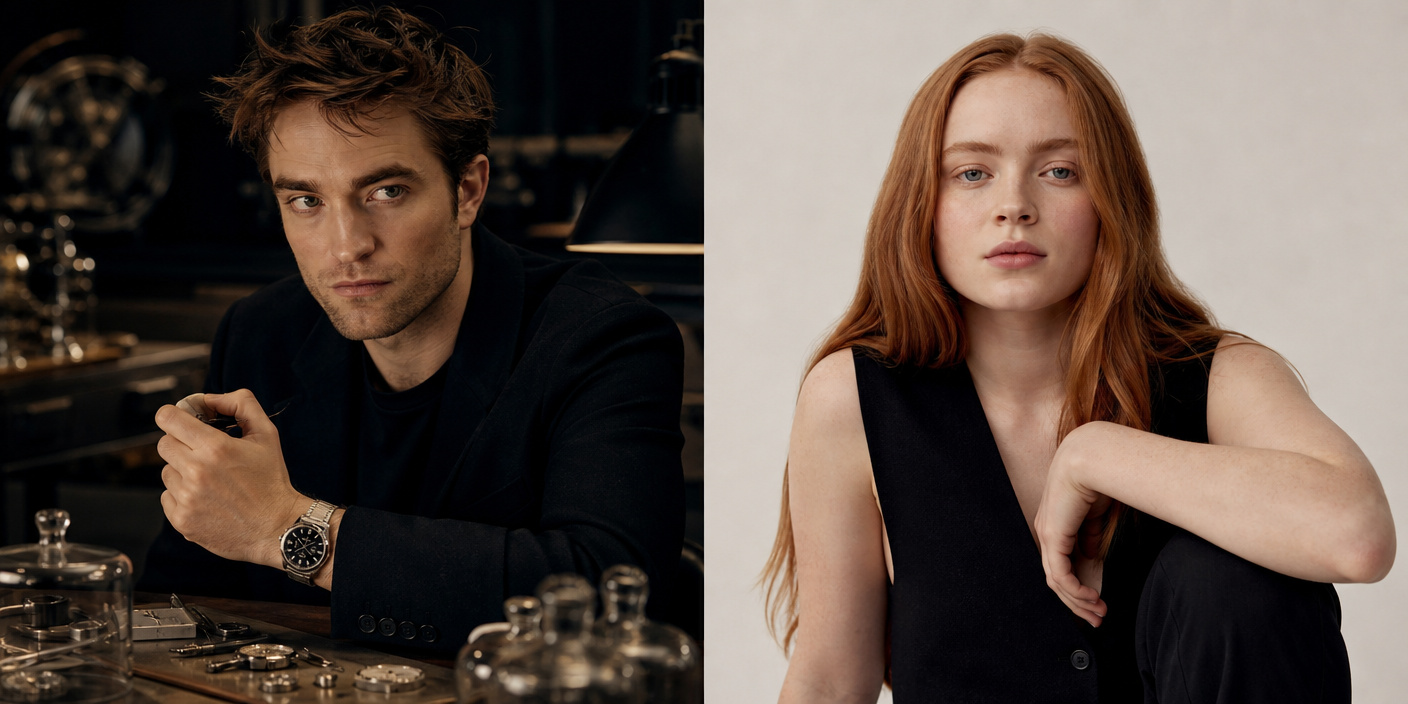
- Robert Pattinson has been officially named the latest global ambassador for the horological powerhouse Jaeger-LeCoultre, marking a significant pivot toward cinematic storytelling for the Swiss brand.
- Sadie Sink continues her ascent as a fashion powerhouse, fronting the latest high-profile campaign for Calvin Klein, emphasizing a shift toward minimalist, raw, and authentic aesthetic representations.
- Aje and Christian Louboutin have both unveiled tactical collection expansions, focusing on distinct market segments—Aje on artisanal, feminine silhouettes and Louboutin on the evolution of luxury footwear iconography.
The Strategic Pivot: Celebrity Ambassadorship in Modern Luxury
The landscape of the modern fashion industry is currently undergoing a structural transformation. For decades, luxury houses relied on runway exclusivity and historical prestige to maintain relevance. However, the current economic climate, characterized by the rise of ‘quiet luxury’ and the demand for authentic digital presence, has necessitated a shift. The recent appointments of Robert Pattinson and Sadie Sink serve as case studies in how brands are navigating this transition.
The Pattinson-Jaeger-LeCoultre Synergy
The partnership between Robert Pattinson and Jaeger-LeCoultre is particularly noteworthy for its focus on ‘cinematic horology.’ Pattinson, whose career trajectory has balanced blockbuster action films with auteur-driven dramas, provides the Swiss watchmaker with a multifaceted appeal. From a marketing perspective, this is a masterful stroke. By associating their timepieces with an actor who signifies intellectual depth and cool-headed precision, Jaeger-LeCoultre moves beyond the generic ‘luxury lifestyle’ archetype. Instead, they tap into the psychological allure of ‘mastery,’ a core value for high-end watch collectors who view their timepieces as investments rather than simple accessories. This partnership is designed to attract a younger demographic of watch enthusiasts who value the ‘story behind the craft’ over mere status signaling.
Sadie Sink and the Calvin Klein Paradigm
Conversely, Sadie Sink’s campaign with Calvin Klein represents the brand’s ongoing effort to reclaim its position as the arbiter of ‘cool.’ Calvin Klein has historically thrived on the balance between controversy and raw simplicity. By selecting Sink, who has transitioned from a child star to a critical darling in film, the brand bridges the gap between Gen Z relevance and millennial nostalgia. The campaign focuses on minimalist imagery, a direct response to the market-wide trend of eschewing ‘logomania’ in favor of ‘stealth wealth.’ This strategy effectively highlights the silhouette and material quality of the clothing rather than relying on flash-heavy production. It is a refinement of the classic CK ethos: the garment exists as an extension of the person wearing it.
Artisanal Moves: Aje and Christian Louboutin
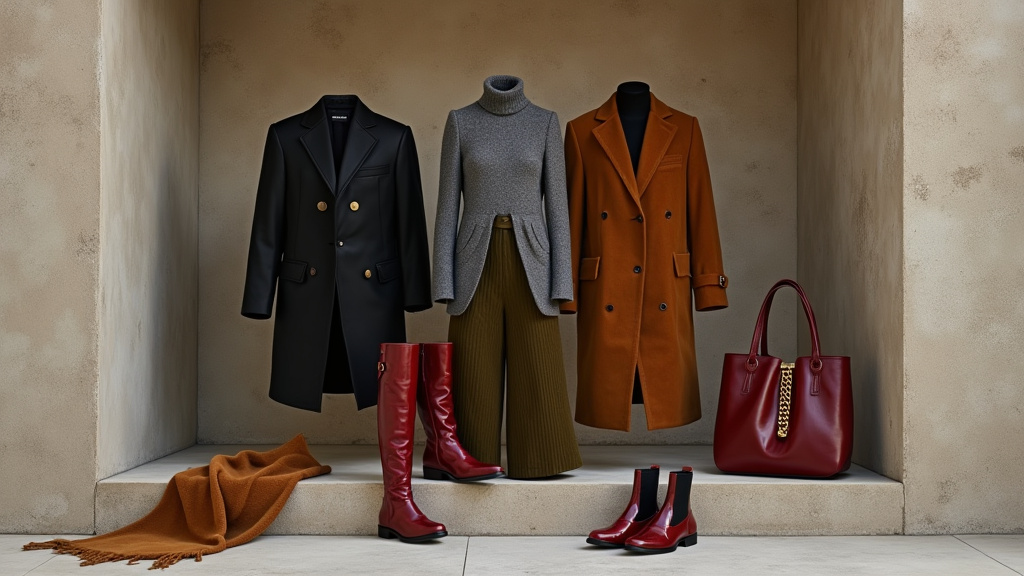
Beyond the celebrity sphere, the industry has seen tactical updates from Aje and Christian Louboutin. Aje has continued to solidify its hold on the ‘feminine-artisan’ aesthetic, introducing collection updates that prioritize texture and structure—elements that are increasingly sought after by consumers tired of the fast-fashion cycle. Their focus on intricate details and sustainable, high-quality fabrications positions them well against larger conglomerates. Meanwhile, Christian Louboutin remains the undisputed champion of ‘prestige footwear.’ Their latest product updates are not necessarily about reinventing the wheel but about evolving the iconic red sole into new, modern contexts—incorporating high-tech materials and ergonomic designs that cater to the luxury traveler and the urban elite alike.
Economic Implications: The ROI of Star Power
Why invest millions in a single campaign? The economic impact of these partnerships extends far beyond immediate sales. When a brand like Jaeger-LeCoultre or Calvin Klein signs a talent like Pattinson or Sink, they are buying into ‘earned media.’ The social media virality, the global press coverage, and the instant alignment of the brand’s image with the cultural zeitgeist creates a halo effect. This ‘brand equity injection’ is measurable. For instance, data consistently shows that high-profile ambassador announcements correlate with spikes in organic search volume and a measurable uplift in brand sentiment scores among target demographics. In a fragmented media landscape, borrowing the ‘cultural capital’ of a major celebrity remains the most reliable way to cut through the noise.
The Future of Luxury Marketing
Looking ahead, the industry is poised to move toward a more symbiotic relationship between product and persona. We are moving away from the era of the ‘billboard ambassador’—someone who simply holds a bag in a photo shoot. The future is one of creative collaboration. We expect to see more ambassadors involved in the design process, providing input on the ‘vibe’ and functionality of collections. This trend, already evident in the bespoke approach of both Aje and the experimental edge of Christian Louboutin, suggests that consumers are demanding a higher level of authenticity. The brands that win in the next quarter will be those that can successfully weave these partnerships into a cohesive, long-term brand narrative rather than relying on fleeting, one-off marketing bursts.
FAQ: People Also Ask
Q: Why are luxury brands focusing so heavily on cinema actors right now?
A: Cinema actors provide a narrative-heavy, prestige-laden image that is difficult to manufacture artificially. Their ability to embody different ‘characters’ allows brands to pivot their image to fit different campaigns or product lines, offering more versatility than models or influencers.
Q: What is the significance of the shift toward ‘quiet luxury’ mentioned in the article?
A: ‘Quiet luxury’ refers to a trend favoring high-quality materials and classic, timeless designs over loud, logo-heavy branding. Consumers are seeking pieces that last and hold value, a sentiment that aligns perfectly with the marketing strategies of heritage brands like Jaeger-LeCoultre.
Q: How do smaller brands like Aje compete with global giants like Calvin Klein?
A: By focusing on niche aesthetics and agile production cycles. While Calvin Klein competes on global scale and recognition, Aje leverages its strong, recognizable ‘signature style’ to build deep, loyal communities, proving that brand intensity often matters more than brand reach in the luxury sector.
Q: Are celebrity ambassadorships becoming less effective due to over-saturation?
A: While there is a risk of saturation, the effectiveness has shifted from ‘visibility’ to ‘fit.’ The modern consumer is savvy; they can tell when a partnership is authentic. Brands that choose talent based on genuine brand alignment, like the examples discussed this week, continue to see high ROI.