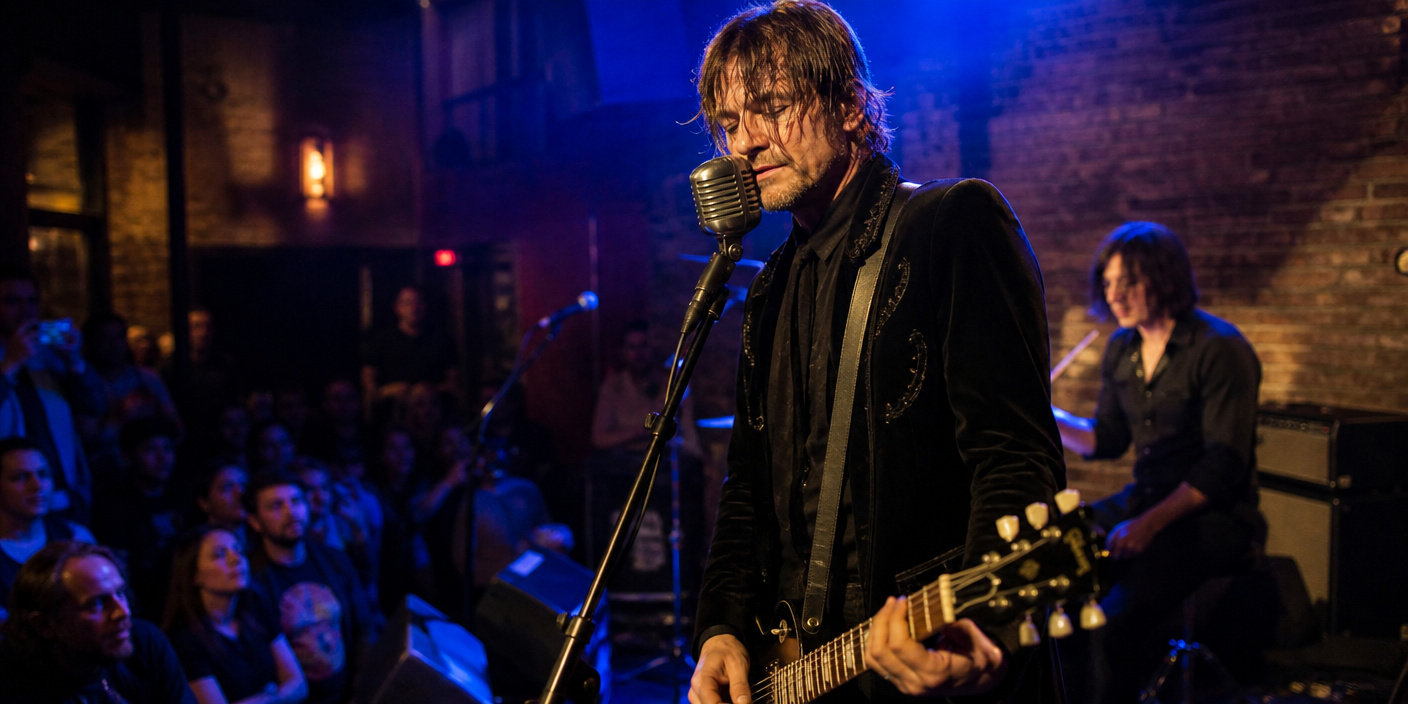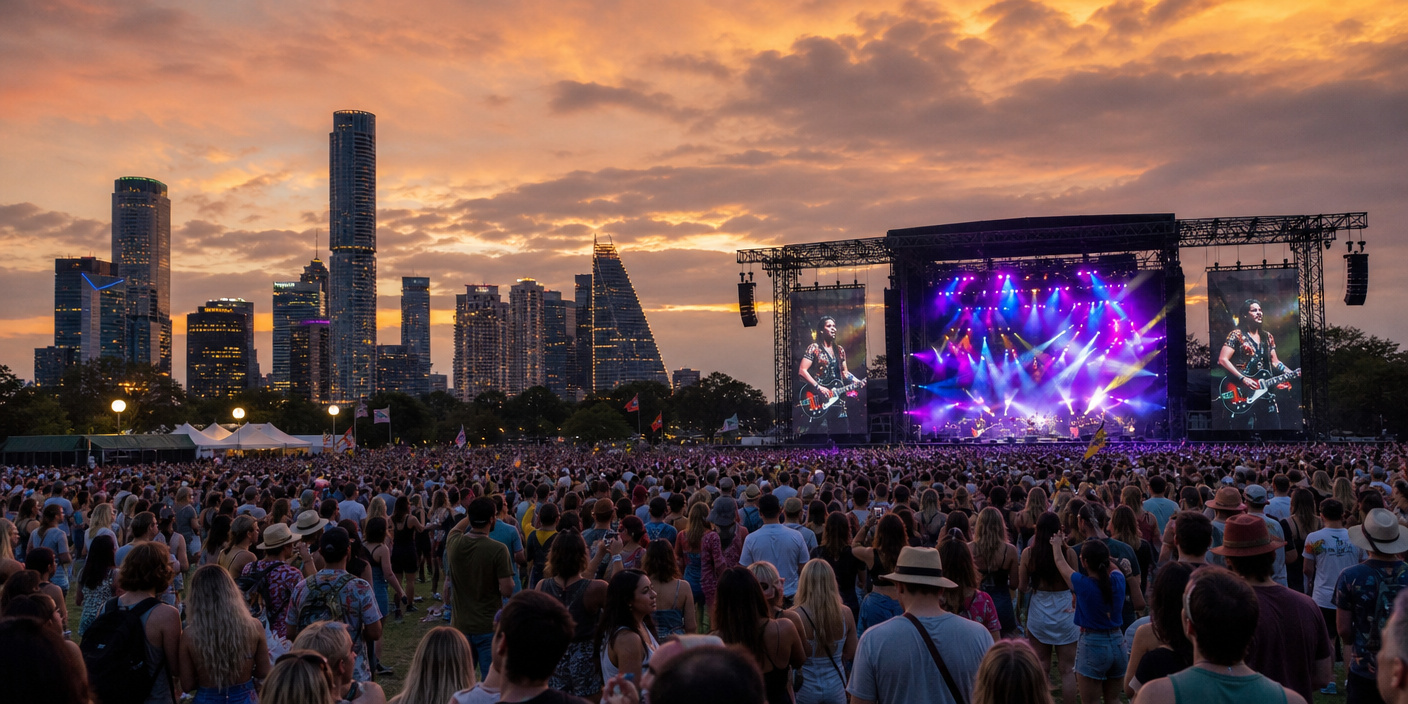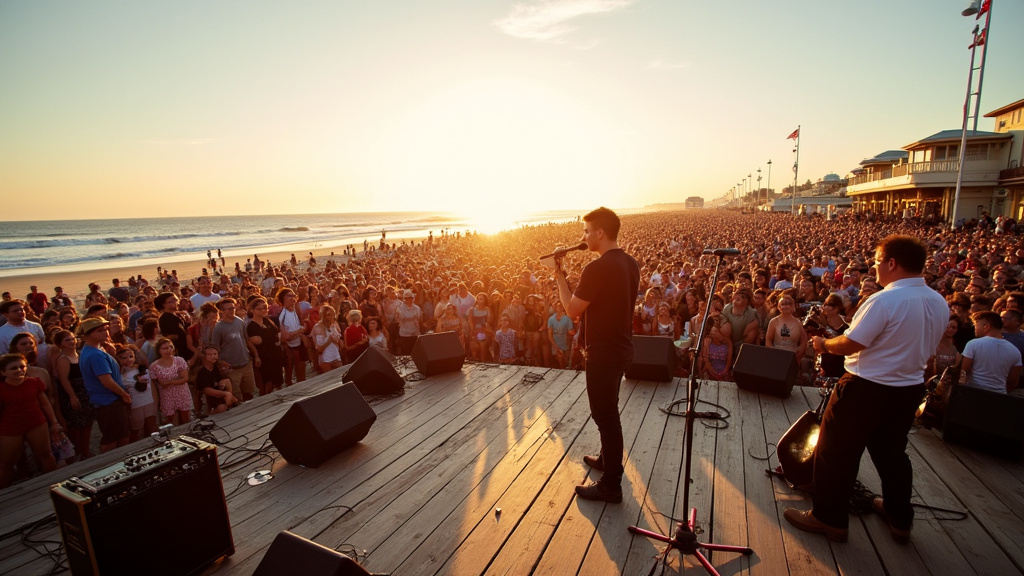
On August 28, 2026, the salt-aired coastline of Asbury Park, New Jersey, transformed into a resonant epicenter of alternative culture as the Shadow of the City 2026 festival took over the historic boardwalk. This annual gathering, which has become a staple of the East Coast music calendar, once again demonstrated why the Jersey Shore remains a critical anchor for independent and alternative music. With the iconic backdrop of the Atlantic Ocean and the legendary venues that line the boardwalk, the festival offered more than just a concert; it provided a immersive day of performances that highlighted the current state of modern indie music.
Key Highlights
- The festival officially commenced on August 28, 2026, drawing a capacity crowd to the Asbury Park beachfront.
- The curated lineup continues to prioritize the indie and alternative genres, maintaining the festival’s specific sonic identity.
- Economic data suggests that festivals of this caliber significantly boost Asbury Park’s late-summer tourism revenue.
- The event utilizes iconic local infrastructure, including proximity to The Stone Pony, to merge music history with modern performance.
The Resurgence of the Shore: Asbury Park’s Cultural Anchor
The choice of Asbury Park as the permanent home for Shadow of the City is no accident. The city, historically defined by its deep roots in rock and roll, has undergone a meticulous revitalization that mirrors the current trends in the music industry—a shift from massive, soulless stadiums to destination-based, community-integrated festival experiences. The 2026 iteration of the festival leans heavily into this legacy, effectively blending the grittiness of New Jersey’s rock history with the polished, experimental sounds of today’s indie luminaries.
The Curatorial Vision: Behind the Sound
At the heart of Shadow of the City is a specific curatorial philosophy, heavily influenced by the industry’s shift toward artist-driven curation. By moving away from the “festival industrial complex”—where lineups are often homogenized and indistinguishable—Shadow of the City focuses on a cohesive aesthetic. This year’s performance roster reflects a deliberate attempt to capture the zeitgeist of 2026, prioritizing artists who are not just chart-toppers, but those who are defining the sonic landscape of the underground and alternative scenes.
This year’s event structure allows fans to traverse the beach and boardwalk areas, creating an organic flow between the stages. It is a stark contrast to the fenced-off, industrial feel of major city festivals like Lollapalooza or Coachella. In Asbury Park, the ocean is an entity in itself, providing a natural, breathing set piece that changes the mood of the music as the sun sets. When artists take the stage, the proximity to the water creates a unique acoustic reverberation, grounding the electric energy of the performance in the physical reality of the New Jersey coast.
Economic Ripples: Beyond the Ticket Sales
Beyond the melodies and the crowd energy, Shadow of the City 2026 serves as a vital economic engine for the region. As the summer season begins its winding-down phase in late August, the arrival of thousands of festival-goers provides a critical final surge of revenue for local businesses. From the independent boutiques along Cookman Avenue to the historic diners and surf shops that define the boardwalk, the festival acts as a “season-extender.” Data regarding previous years indicates that regional hospitality and dining see a distinct uptick during the festival weekend, often outperforming the standard late-August baseline. This symbiotic relationship between the festival and the local municipal economy ensures that the event remains welcome and sustainable within the town limits.
The Future of Mid-Sized Festivals
Looking ahead, Shadow of the City represents a broader trend in the live entertainment industry: the success of the “boutique-scale” festival. As fans become increasingly fatigued by the logistical nightmares and exorbitant costs associated with mega-festivals, the appeal of a venue-locked, medium-capacity event in a walkable city like Asbury Park has grown exponentially. The success of the 2026 event suggests that the festival model is pivoting toward intimacy. Future predictions indicate that more promoters will look to replicate this success, seeking secondary cities with deep cultural histories and existing infrastructure rather than attempting to build festival sites from scratch in open fields. Asbury Park has perfected the art of hosting without overwhelming its local character, a balance that other municipalities are currently struggling to find.
Cultural Preservation and Sustainability
Finally, we must consider the role of the festival in maintaining Asbury Park’s identity. The presence of iconic venues like The Stone Pony—an entity that looms large over the entire project—provides a constant reminder of the music history that permeates these streets. By hosting Shadow of the City, the organizers are not just putting on a show; they are effectively engaging in historical preservation through modern relevance. Keeping these spaces active and relevant to the youth of 2026 is what prevents the boardwalk from becoming a static museum, ensuring the Jersey Shore remains a living, breathing component of the national conversation on popular culture.
FAQ: People Also Ask
Q: When exactly is Shadow of the City 2026 taking place?
A: The festival is held on August 28, 2026. It is a single-day event focused on maximizing engagement within that specific window.
Q: Why is Asbury Park chosen for this event?
A: Asbury Park offers a unique combination of historical significance, particularly in the rock and alternative genres, and a walkability that is difficult to replicate in larger metropolitan festival settings.
Q: What kind of music can attendees expect?
A: The festival is explicitly curated for indie and alternative acts. It avoids the broad “top 40” approach, opting instead for a lineup that emphasizes artistic integrity and genre-defying performances.
Q: Does the festival affect the local beach access?
A: While the festival creates a surge in activity, it is designed to integrate into the existing infrastructure of the boardwalk, generally leaving the wider beach access open while concentrating activity around the performance stages near the boardwalk and venue areas.