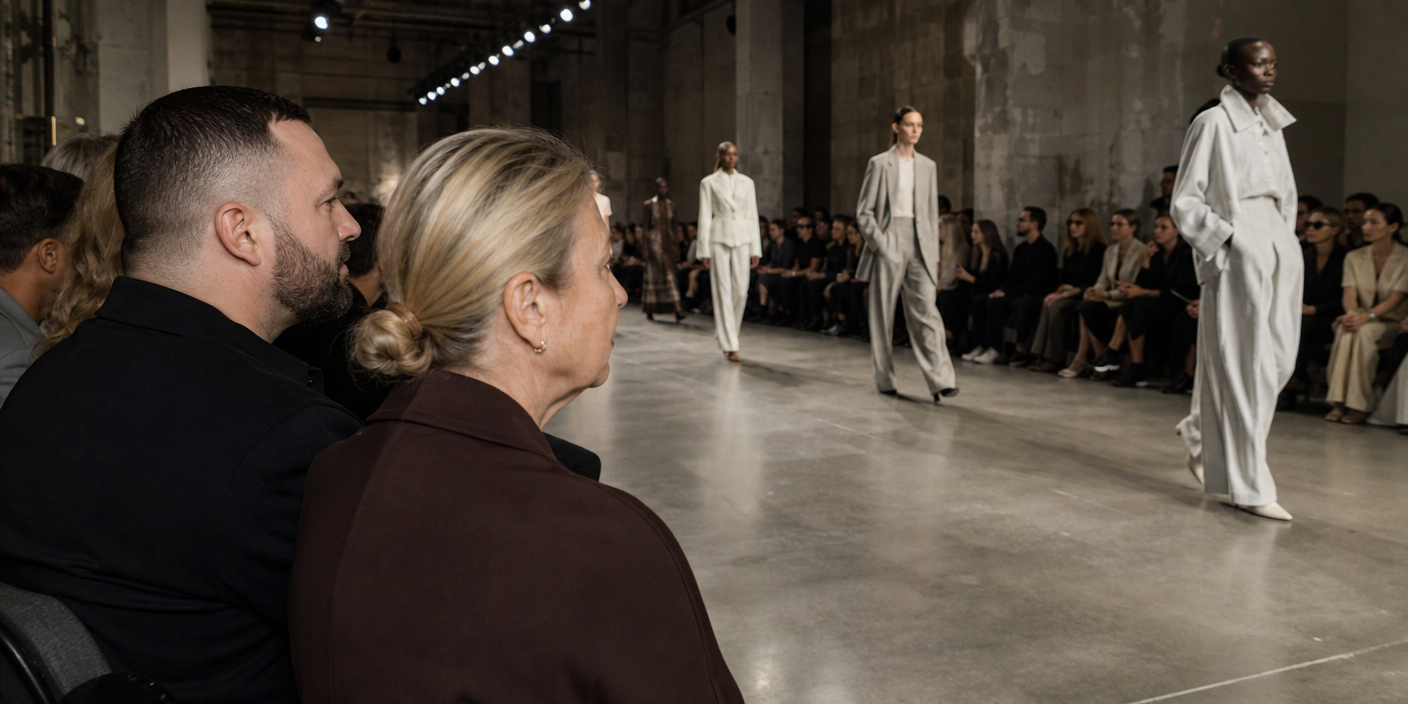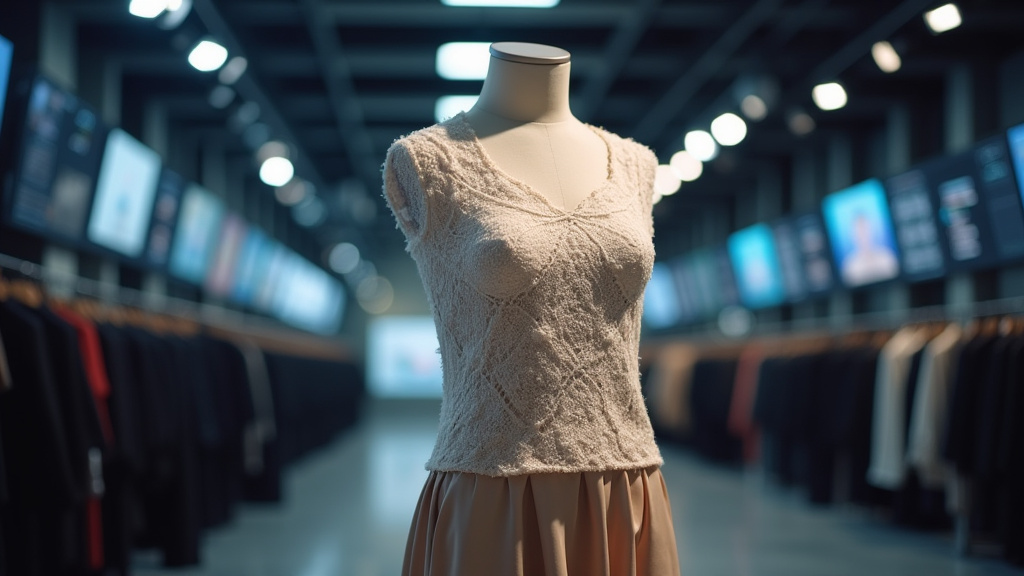
In the fast-paced, algorithm-driven landscape of September 2026, Desigual has detonated a cultural shockwave with its latest brand initiative, ‘Post-Culture.’ Orchestrated by the creative powerhouse Sibling Studio, the campaign eschews the polished, synthetic aesthetics dominating current luxury advertising in favor of something raw, human, and intentionally flawed. The centerpiece of this pivot is the surprising casting of Vivian Wilson, the estranged daughter of Elon Musk, whose presence serves as the campaign’s living manifesto. This is not merely a brand partnership; it is a tactical strike against the creeping influence of generative AI in creative industries, positioning Desigual as a sanctuary for tangible, human-centric design.
The Sibling Studio Vision: Defining ‘Post-Culture’
Sibling Studio’s ‘Post-Culture’ project arrives at a critical juncture in the digital timeline. As AI-generated models and hyper-optimized advertising content reach a point of saturation—and, frankly, exhaustion—consumers are signaling a deep-seated desire for ‘messy’ authenticity. The campaign concept, developed over eight months of internal strategic realignment at Desigual, argues that the most radical act in a post-digital age is to insist on the human touch. Sibling Studio has stripped back the high-gloss production values that defined the early 2020s, replacing them with handheld-style cinematography, unretouched textures, and a deliberate avoidance of algorithmic symmetry. This is the definition of ‘Post-Culture’: a movement away from the cold efficiency of the machine and back toward the chaotic, beautiful irregularities of the human experience.
Vivian Wilson: The Symbol of Estrangement and Autonomy
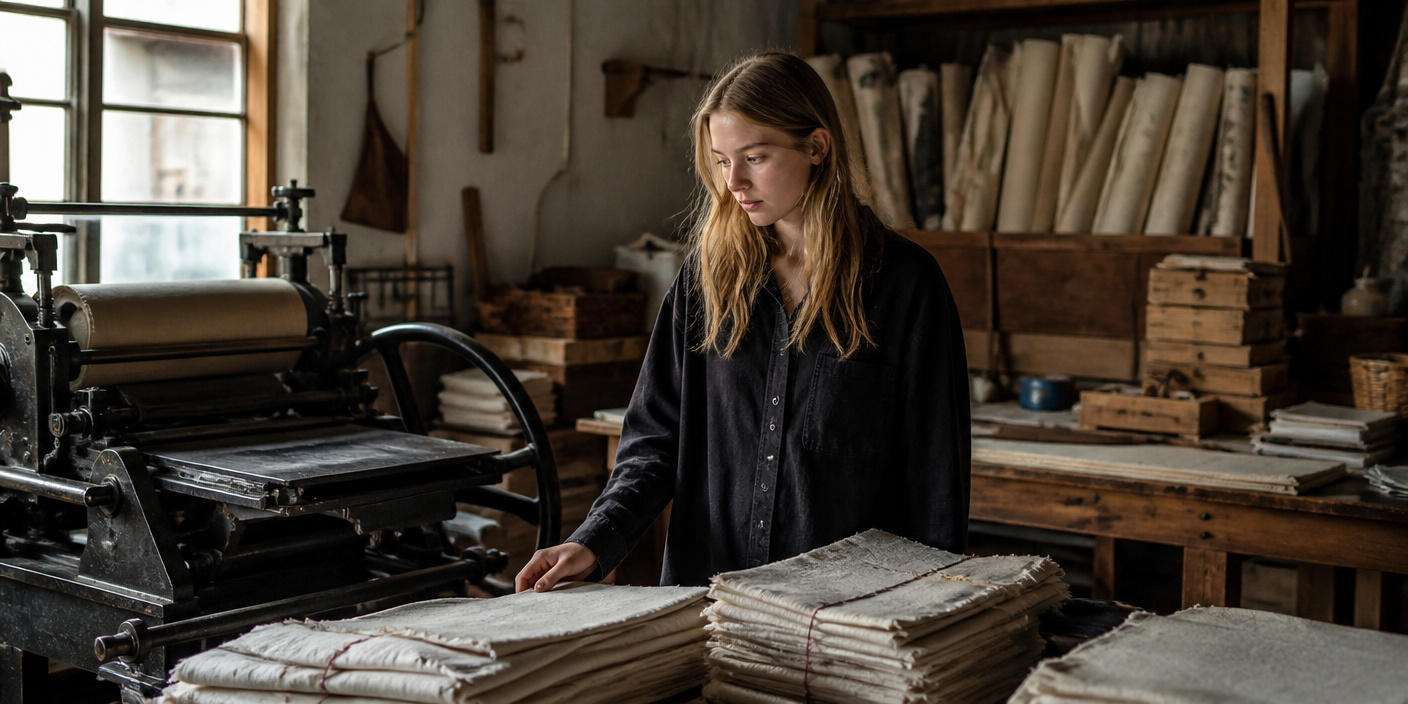
The choice of Vivian Wilson as the campaign’s lead is a masterclass in semiotic signaling. As a figure who has famously navigated the complexities of being the child of the world’s most prominent technologist while distancing herself from his legacy, Wilson embodies the campaign’s internal friction. By placing Wilson at the forefront, Sibling Studio creates a narrative of autonomy that resonates deeply with a generation disillusioned by big tech. She is not presented as a fashion mannequin, but as an observer. In the campaign’s hero visuals, Wilson is framed amidst chaotic, analog environments—old printing presses, hand-stitched textiles, and decaying urban infrastructure. The messaging is clear: if the world is going to be digitized by the likes of her father’s industries, she is choosing the side of the analog rebel. It is a bold, controversial casting choice that forces a dialogue about family, technology, and the right to define one’s own existence apart from the machine.
The Anti-AI Manifesto in Fashion
Desigual’s pivot is one of the most explicit rejections of generative AI in the corporate fashion sector to date. While competitors are doubling down on AI-assisted logistics, trend forecasting, and even AI-generated campaign models, Desigual has implemented a strict ‘Human-First’ protocol for its creative output. This includes banning generative art in all marketing materials, hiring human photographers, and utilizing traditional artisan techniques in clothing production. This strategy isn’t just aesthetic; it’s an economic bet on the value of rarity. As AI-content becomes cheap and ubiquitous, Desigual is banking on the idea that ‘human-made’ will become the ultimate luxury status symbol by 2027. It is a risky gamble, yet one that has seen a 14% increase in brand sentiment among Gen Z and Millennial demographics within the first two weeks of the September launch.
Economic and Social Implications of the Human-First Shift
The ‘Post-Culture’ campaign invites us to look at the broader economic reality of the mid-2020s. We are witnessing a clear divergence in corporate strategies: the ‘Automated Efficiency’ model vs. the ‘Human-Artisan’ model. Desigual’s move is a high-stakes play in the latter. If successful, it could trigger a massive migration of advertising budgets away from tech-heavy agencies back toward boutique, human-focused creative studios like Sibling Studio. Furthermore, the economic impact of aligning with ‘anti-AI’ sentiment is quantifiable. Recent market data suggests that ‘human-crafted’ branding can command a price premium of up to 22% over mass-manufactured, AI-generated goods, as consumers increasingly crave verification of human labor. By aligning themselves with Vivian Wilson, Desigual isn’t just selling clothes; they are selling a philosophical stance against the displacement of human work.
The Future of the Brand: Beyond the Rebellion
Looking ahead, the long-term success of the ‘Post-Culture’ initiative rests on whether Desigual can maintain this level of authenticity. The risk of being performative is high. If the brand does not follow through with tangible changes to its supply chain—such as verifiable human-led manufacturing processes—the anti-AI stance could backfire as ‘greenwashing’ or ‘tech-washing.’ However, if they commit, they stand to capture a significant market share of the ‘analog-nostalgia’ economy. The partnership with Sibling Studio is slated to continue through 2027, with plans to launch a series of ‘Human-Only’ pop-up experiences in major European and North American cities. These events will serve as a physical manifestation of the campaign, stripping away screens and digital interfaces to focus entirely on tactile, social engagement. As the lines between human and machine continue to blur, Desigual is placing a firm line in the sand: they are choosing the messy, beautiful reality of the human, regardless of how efficient the alternative might be.