As the crisp air of Autumn 2026 settles in, the fashion industry has reached a rare, unified consensus: true style this season isn’t about cycling through rapid micro-trends, but the strategic acquisition of seven specific ‘cult’ pieces. Industry insiders, from Paris to Milan, have identified these non-negotiable staples that currently dominate the global street style aesthetic. By blending timeless investment pieces with deliberate seasonal updates, these items represent the intersection of longevity and trend-driven relevance, proving that the most fashionable outfits of the year are rooted in careful curation rather than excess.
Key Highlights
- The Return of Architectural Outerwear: The structured leather blazer and the suede trench have emerged as the definitive silhouettes for Autumn 2026, replacing oversized puffers.
- Tactile Texture Dominance: High-grade materials like cashmere and corduroy are replacing synthetics, driving a surge in ‘quiet luxury’ spending.
- Hardware-Heavy Footwear: Gold chain loafers are the season’s essential accessory, serving as the bridge between formal office wear and casual weekend attire.
- The ‘Cost-Per-Wear’ Shift: Market data suggests consumers are prioritizing items with high durability, favoring these seven staples over multiple cheaper trend items.
The Autumn 2026 Edit: Curating the Cult Wardrobe
The landscape of fashion in the latter half of 2026 has shifted significantly toward what analysts at Global Fashion Group are calling “intentional accumulation.” With economic factors influencing consumer behavior, the “cult buy” has evolved from a viral novelty into a necessary wardrobe anchor. The following seven items have been identified by fashion editors and retail data as the essential pillars for this autumn.
The Structured Leather Blazer: The Modern Armor
The structured leather blazer has officially usurped the denim jacket as the primary layering piece for the season. Unlike the slouchy silhouettes of 2024, the 2026 interpretation features sharp shoulders and a tapered waist, echoing the power-dressing aesthetics of the late 90s. This piece is versatile enough to elevate a simple white t-shirt while providing enough weight to serve as a transitional coat in early November.
Cherry Red Patent Boots: The Psychological Pop
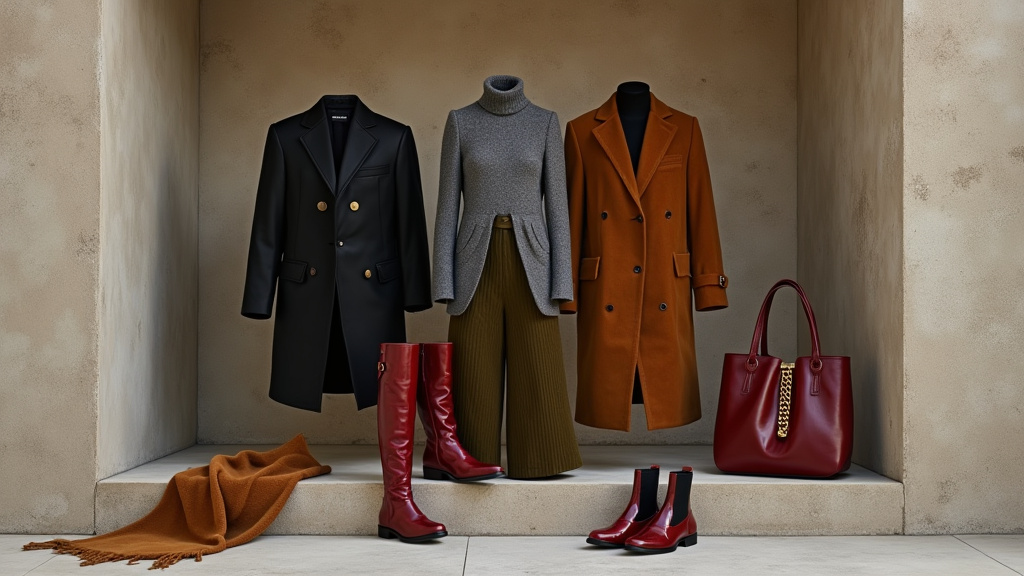
While neutrals dominate the base of the wardrobe, the ‘pop’ of the season is undeniably cherry red. Patent leather boots in this specific shade have become the highest-selling footwear item of the quarter. Psychologically, fashion experts suggest this color offers a necessary dopamine hit against the increasingly gray and muted color palettes of the autumn months. It provides a focal point to otherwise monochromatic outfits.
The Sculptural Tote: Utility Meets Art
Gone are the days of the overly branded, loud logo bag. The ‘cult’ bag of 2026 is the sculptural tote—defined by its unique, architectural geometry rather than a recognizable monogram. Crafted in structured calfskin, these totes prioritize functionality—fitting laptops and daily essentials—while maintaining an artistic, refined edge that appeals to the modern professional.
The Grey Cashmere Co-ord: The New Uniform
Quiet luxury is evolving into ‘Elevated Utility.’ The grey cashmere co-ord—a matching set of a high-neck sweater and wide-leg trousers—has become the standard for office and social wear. It is the ultimate expression of the ‘work-from-anywhere’ culture that remains entrenched in 2026, offering unparalleled comfort without sacrificing a polished appearance.
The Suede Trench: A Tactile Revolution
Texture is the defining characteristic of this autumn, and the suede trench coat is its centerpiece. While traditional wool trenches remain classic, the suede variety offers a rich, tactile depth that elevates an outfit instantly. It suggests a level of sophistication that synthetic fabrics cannot replicate, aligning with a broader industry push toward natural fibers.
Wide-Leg Corduroy Trousers: Heritage Revival
Corduroy has made a triumphant return, but specifically in wide-leg, high-waisted cuts. The move away from skinny-fit denim has solidified, and corduroy offers a vintage-inspired aesthetic that feels fresh when styled with modern knitwear. It provides warmth and visual interest, particularly in earthy tones like burnt orange and deep olive.
Heavy Gold Chain Loafers: The Hardware Movement
Finally, the footwear staple of the year is the heavy gold-chain loafer. This item serves as a functional piece of jewelry for the feet. It bridges the gap between formal office attire and weekend casual, providing a metallic shine that breaks up the matte textures of suede and corduroy.
Economic and Cultural Implications
These seven items represent a shift in the economic landscape of fashion. As inflation concerns persist, consumers are utilizing ‘cost-per-wear’ metrics more than ever before. Unlike viral micro-trends that disappear after two weeks, these seven pieces have high interchangeability. A study by the Pantone Color Institute notes that the preference for deep, grounding colors in 2026 aligns with a societal desire for stability and long-term investment, further cementing these items as ‘cult’ status.
FAQ: People Also Ask
Q: How does the 2026 trend cycle differ from previous years?
A: The 2026 trend cycle is markedly slower and more focused on durability. Whereas 2024 and 2025 were defined by ‘core’ aesthetics (like cottagecore or Y2K revivals), 2026 is defined by ‘Investment Minimalism’—the desire to own fewer, higher-quality items.
Q: Are these seven items considered seasonal or investment pieces?
A: They are both. They are optimized for the Autumn 2026 season due to material choices (suede, leather, cashmere), but their silhouettes are classic enough to be worn for years, making them sound investment pieces for any capsule wardrobe.
Q: How can I style these items if I am on a budget?
A: The key to this ‘cult’ look is silhouette, not brand. Prioritize finding items that mimic these shapes—wide-leg trousers, structured blazers, and hardware-heavy shoes—at thrift or vintage retailers, where natural fabrics like leather and wool can often be found at a fraction of the cost.