As the sprawling temporary metropolis of Black Rock City dismantles following the conclusion of Burning Man 2026, the American festival landscape experiences a profound, rhythmic shift. For months, the US live entertainment sector has been defined by the extreme, immersive heat of the Black Rock Desert, but as Labor Day passes, the industry’s center of gravity pivots sharply toward the urban landscapes of the Midwest. This transition from desert isolation to Chicago’s high-octane Riot Fest preparations symbolizes more than a change in geography; it marks the definitive end of the summer festival season and the commencement of the autumn live-performance cycle.
Key Highlights:
- Burning Man 2026 has officially concluded in the Black Rock Desert, Nevada, signaling the end of the desert-based festival calendar.
- The live events industry is now shifting focus toward major urban autumn gatherings, with Riot Fest in Chicago serving as a primary anchor.
- Logistics teams are pivoting from extreme desert environmental management to urban festival infrastructure integration.
- Economic indicators suggest a continued high demand for experiential travel as the festival circuit moves into the fall season.
The Great Seasonal Migration: Desert Sands to Urban Stages
The American festival circuit operates on a seasonal pendulum, swinging between the extremes of environmental resilience and the accessibility of urban venues. The conclusion of Burning Man is widely considered the unofficial capstone of the ‘summer’ era of live events. In the Black Rock Desert, organizers faced the perennial challenge of managing a city of approximately 70,000 to 80,000 residents in an environment defined by extreme heat and alkaline dust. The effort to ‘Leave No Trace’ is not merely a philosophy but a rigorous logistical operation that concludes the festival’s footprint.
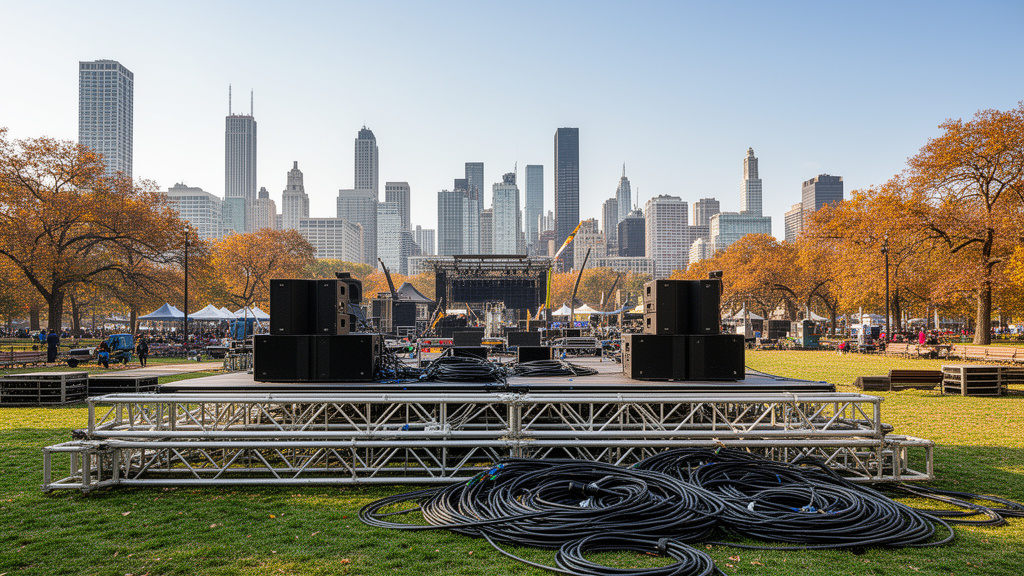
As the final ‘art cars’ and nomadic structures are packed away, the industry’s focus moves to Riot Fest in Chicago. This transition highlights a fundamental change in both the fan experience and the operational requirements of the festival industry. Unlike the isolated, self-reliant nature of the Burning Man experience, Riot Fest represents a dense, grid-based urban model. The shift requires a transition in talent logistics, security protocols, and infrastructure setup, moving from off-grid power and water management to utilizing existing city utility grids and high-capacity public transportation systems.
Operational Dynamics: The Shift from Remote to Urban
Operational logistics undergo a complete transformation during this period. The Black Rock Desert requires specialized teams trained in remote wilderness management, emergency medical services designed for extreme heat, and heavy machinery capable of traversing deep playa dust. In contrast, the preparations for Riot Fest in Chicago are characterized by city-wide coordination. Event planners must navigate the complexities of urban zoning, traffic mitigation for downtown Chicago, and noise ordinances that are absent in the Nevada desert.
This shift is also indicative of the changing demands of the US festival-goer. Research indicates that while summer festivals focus on ‘adventure and endurance’ themes, autumn festivals like Riot Fest emphasize ‘community, music discovery, and accessibility.’ The industry has responded by investing heavily in the infrastructure required to host thousands of visitors in cities, focusing on mobile connectivity, localized vendor integration, and high-speed ingress/egress patterns that are impossible to replicate in the remote Nevada wilderness.
The Economic Impact of the Fall Festival Pivot
The economic transition from the desert to the urban center is significant. Festivals like Burning Man are known for high-cost barrier entries, where attendees invest heavily in travel and gear. Conversely, the autumn season in the US—anchored by events in Chicago, New York, and Austin—tends to drive revenue through increased food and beverage sales, local hospitality bookings, and merchandise. This period is crucial for festival organizers to reconcile their annual budgets and prepare for the fiscal planning of the following year.
Industry analysts note that the September pivot is often when festival promoters observe the shifting tastes of the demographic. By analyzing the spending habits at the tail end of the summer season, stakeholders can predict which musical genres and ‘vibe-based’ experiences will dominate the following spring. Riot Fest, specifically, has become a bellwether for the punk, alternative, and rock genres, influencing booking trends for the remainder of the year and into the early months of the subsequent festival season.
Sustainability and Future Outlook
As the festival scene moves into autumn, the focus on sustainability becomes increasingly localized. While desert sustainability involves dust mitigation and waste removal, urban sustainability efforts now center on carbon footprint reduction for transportation and waste diversion from city landfills. The lessons learned in the desert—particularly regarding water conservation and community-led resource management—are increasingly being adopted by urban festival planners looking to reduce the ‘environmental tax’ of large-scale public gatherings.
Looking toward 2027, the industry is poised to continue this seasonal duality. The successful conclusion of the 2026 season confirms that whether in the desert or the city, the US festival industry is increasingly data-driven, prioritizing safety, infrastructure resilience, and the evolving experiential desires of an audience that is becoming more environmentally conscious and technologically savvy.
FAQ: People Also Ask
Why is the conclusion of Burning Man considered the end of the summer festival season?
Because of its scale, complexity, and placement on the calendar—typically concluding around Labor Day—Burning Man acts as the final ‘major’ outdoor event that requires extensive off-grid logistics. Its wrap-up historically marks the shift in weather patterns and the end of the ‘vacation’ period for the core festival-touring industry.
How does the logistical preparation for Riot Fest differ from Burning Man?
Burning Man requires self-contained infrastructure, including remote power generation, water delivery, and hazardous waste removal in a desert environment. Riot Fest leverages established urban infrastructure, such as power grids, sewage systems, and municipal police and medical services, focusing more on crowd management and traffic flow.
What are the main economic trends observed during this seasonal transition?
The transition shifts from ‘experiential travel’ revenue (flights, RV rentals, gear purchasing for remote events) to ‘local economy’ spending (hotel bookings, restaurant traffic, local retail, and public transit revenue) as the festival circuit moves into major US cities.
Are there environmental concerns regarding the move from desert to urban festivals?
Both environments face distinct challenges. Desert festivals focus on land preservation and dust mitigation to protect the Black Rock Desert ecosystem, while urban festivals focus on minimizing the impact of large crowds on city infrastructure and reducing the significant carbon footprint associated with urban congestion.