The United States has rejected a peace proposal from Iran, according to a recent announcement, a decision that has sent oil prices surging amidst escalating geopolitical tensions.
- President Trump has declared a proposed peace deal with Iran as “unacceptable.”
- Oil prices have experienced a significant spike following the rejection.
- Tensions between the U.S. and Iran appear to be intensifying.
- The specifics of Iran’s peace proposal have not yet been fully disclosed.
Geopolitical Tensions Escalate Following U.S. Rejection of Iran’s Peace Offer
Fallout on Global Markets
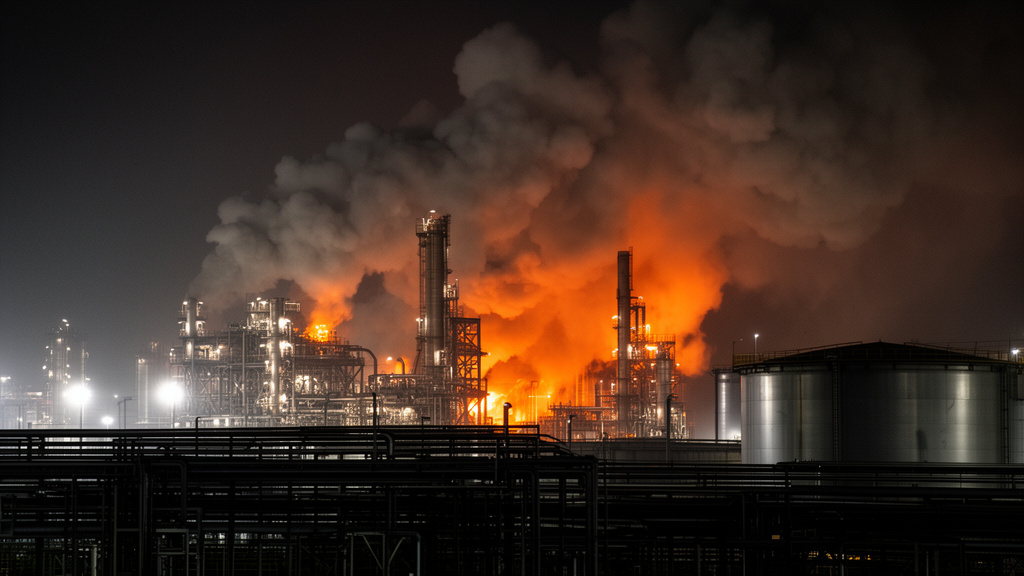
The international oil market reacted swiftly and dramatically to the news of President Trump’s dismissal of Iran’s peace proposal. West Texas Intermediate (WTI) crude futures saw a notable increase, and Brent crude also experienced a significant uplift, reflecting heightened concerns about potential supply disruptions in the Middle East. This volatility underscores the delicate balance of global energy markets and their sensitivity to geopolitical developments. Analysts are closely monitoring the situation for any further escalation that could impact production or transit routes, particularly the Strait of Hormuz.
Iran’s Stance and Future Actions
While the details of Iran’s peace proposal remain under wraps, the Islamic Republic has vowed to “fight on,” signaling a firm stance in the face of diplomatic rejection. This declaration suggests that Iran is prepared to continue its current course, whatever that may entail, despite the U.S.’s refusal to engage further on the presented terms. The implications of this resolve are far-reaching, potentially leading to increased regional posturing and a prolonged period of uncertainty. The international community is urging for de-escalation and a return to diplomatic channels, but the path forward appears increasingly fraught.
Historical Context of U.S.-Iran Relations
The current standoff is the latest chapter in a complex and often fraught relationship between the United States and Iran, stretching back decades. Key historical flashpoints include the 1953 coup, the 1979 Islamic Revolution, the Iran hostage crisis, and more recently, the U.S. withdrawal from the Joint Comprehensive Plan of Action (JCPOA) in 2018. The JCPOA, intended to curb Iran’s nuclear program in exchange for sanctions relief, was a significant diplomatic effort that has since collapsed. The current administration’s approach has focused on exerting “maximum pressure” through sanctions, a strategy that Iran has largely defied. Understanding this historical backdrop is crucial to contextualizing the current rejection and Iran’s “fight on” rhetoric.
Economic Ramifications Beyond Oil
Beyond the immediate impact on oil prices, the heightened tensions carry broader economic implications. Sanctions, if further tightened or if new ones are imposed, could significantly impact Iran’s economy, which is already under strain. This could lead to further currency devaluation and increased hardship for the Iranian population. Globally, increased uncertainty in a major oil-producing region can deter investment, disrupt trade, and contribute to inflation in oil-dependent economies. Businesses with operations or supply chains linked to the Middle East are likely reassessing their risk exposure.
FAQ: People Also Ask
What was Iran’s peace proposal?
Details of Iran’s peace proposal have not been publicly disclosed, making it difficult to ascertain the specific terms that President Trump deemed “unacceptable.”
Why did President Trump reject the peace proposal?
President Trump’s administration has characterized the proposal as “unacceptable” without providing specific reasons. This suggests a fundamental disagreement with the terms or an unwillingness to engage on the basis offered.
How have oil prices reacted to this news?
Oil prices have surged significantly following the news of the rejected peace proposal, indicating market concern over potential supply disruptions and increased geopolitical risk in the Middle East.
What does “fight on” mean for Iran?
Iran’s vow to “fight on” suggests a commitment to continuing its current policies or actions, despite the diplomatic setback. The exact nature of these actions remains uncertain but implies a readiness to persist in the face of U.S. opposition.
What is the historical context of U.S.-Iran relations?
The U.S.-Iran relationship has been marked by decades of tension, including events like the 1953 coup, the 1979 revolution, the hostage crisis, and the recent U.S. withdrawal from the JCPOA nuclear deal.