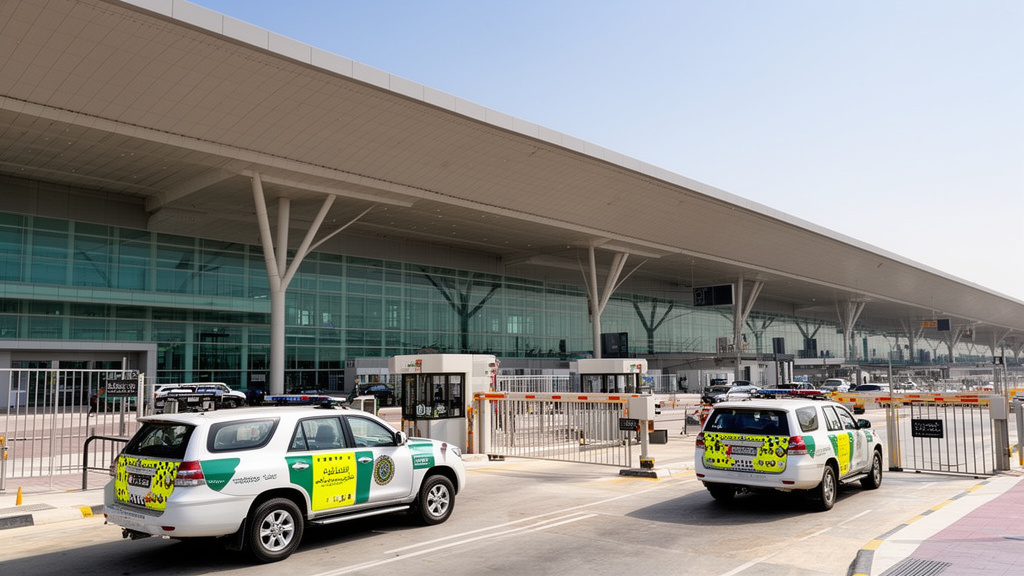
A tragic security incident occurred at King Fahd International Airport in Saudi Arabia, resulting in the death of one Indian national and leaving two others injured. The event, which has prompted an immediate investigation by Saudi security authorities, underscores the escalating risks associated with the ongoing regional security climate. Consular officials are coordinating with local authorities to provide support to the victims and their families as the investigation into the breach continues.
Key Highlights
- Casualties: One Indian national confirmed dead; two others hospitalized with injuries.
- Location: The incident took place within the precincts of King Fahd International Airport (DMM), Dammam.
- Context: The attack occurs against a backdrop of heightened regional tensions and reported Houthi activity targeting critical infrastructure.
- Response: Security protocols have been heightened across major Saudi transit hubs; diplomatic communication between India and Saudi Arabia is ongoing.
Security and Stability in the Eastern Province
The incident at King Fahd International Airport marks a significant development in the security landscape of Saudi Arabia’s Eastern Province. While the Kingdom has faced intermittent security challenges over the past decade, the penetration of a major international aviation hub represents a tactical shift that necessitates a robust re-evaluation of perimeter defense strategies.
The Anatomy of the Threat
Intelligence reports have frequently cited the Eastern Province as a region of strategic sensitivity due to its concentration of energy infrastructure and aviation hubs. The reported involvement of entities linked to regional instability, specifically Houthi-aligned factions, suggests a potential escalation in the scope of operations. Unlike border-area skirmishes which have become relatively common in the southern provinces of Jizan and Najran, the Dammam area is significantly further from the primary theater of conflict. This geographical variance implies a widening radius of threat, necessitating increased surveillance and rapid-response capabilities at major transportation arteries.
Regional Tensions and Infrastructure Vulnerability
For years, Saudi infrastructure—ranging from desalination plants to petroleum facilities and international airports—has been subject to persistent, albeit often intercepted, attempts at disruption. The tragic loss of a civilian life at King Fahd Airport forces a critical conversation regarding the ‘zero-fail’ standard required for such facilities. Aviation hubs are not only engines of economic growth and tourism but are also symbols of national sovereignty and stability. The vulnerability demonstrated by this incident will likely trigger an immediate, comprehensive security audit of all civilian transit hubs within the Kingdom to mitigate further risks of unauthorized activity.
The Indian Diaspora and Diplomatic Response
The Indian expatriate community in Saudi Arabia represents one of the largest foreign worker populations in the country, deeply integrated into the construction, engineering, medical, and service sectors. The safety of these individuals is a paramount concern for the Indian government. The Ministry of External Affairs in New Delhi is currently utilizing established diplomatic channels to secure transparent information regarding the incident and to ensure that the injured receive the highest standard of medical care.
Consular Support and Legal Implications
Following the event, the Indian Consulate in Dammam activated emergency protocols. Indian consular officials are working in tandem with the Saudi Ministry of Interior and airport authorities. The legal and insurance implications of this death, particularly in the context of a hostile security event, are complex. Indian authorities are expected to provide comprehensive support for the repatriation of the deceased, while simultaneously ensuring that the injured parties’ rights and medical needs are met under Saudi law.
Balancing Economic Ties with Security Realities
India and Saudi Arabia have seen a rapid warming of bilateral relations, marked by significant investments and a strategic partnership agreement. Despite the gravity of this incident, analysts suggest that the core of the Riyadh-New Delhi relationship remains resilient. Both nations view regional stability as a prerequisite for economic development. The response to this attack will likely involve intensified intelligence sharing and collaborative security training to protect expatriate workers and critical infrastructure from future threats.
Strategic Implications for the Aviation Sector
The aviation industry, already recovering from global shifts, is highly sensitive to security disruptions. King Fahd International Airport, a major gateway to the Eastern Province, operates under stringent international security standards. The fact that a security breach resulted in casualties is a development that global aviation regulators, including ICAO, will monitor closely. We can expect to see enhanced screening, restricted zones, and potentially increased armed presence at similar facilities across the Gulf Cooperation Council (GCC) countries in the coming weeks.
FAQ: People Also Ask
Q: What is the current status of the two injured Indian nationals?
A: As of the latest update, both individuals are receiving medical attention at a secure facility. Saudi authorities, in coordination with the Indian Consulate, are monitoring their progress and facilitating communication with their families.
Q: Has any group claimed responsibility for the incident?
A: While reports indicate heightened Houthi activity in the region, official investigations are ongoing. Authorities are currently examining forensic evidence to determine the exact method of infiltration and the perpetrators involved.
Q: How does this impact travel to Saudi Arabia?
A: While the incident is serious, airports in Saudi Arabia remain operational. Travelers are advised to follow official guidance from their respective embassies and check with their airlines regarding any changes to flight schedules or security procedures.