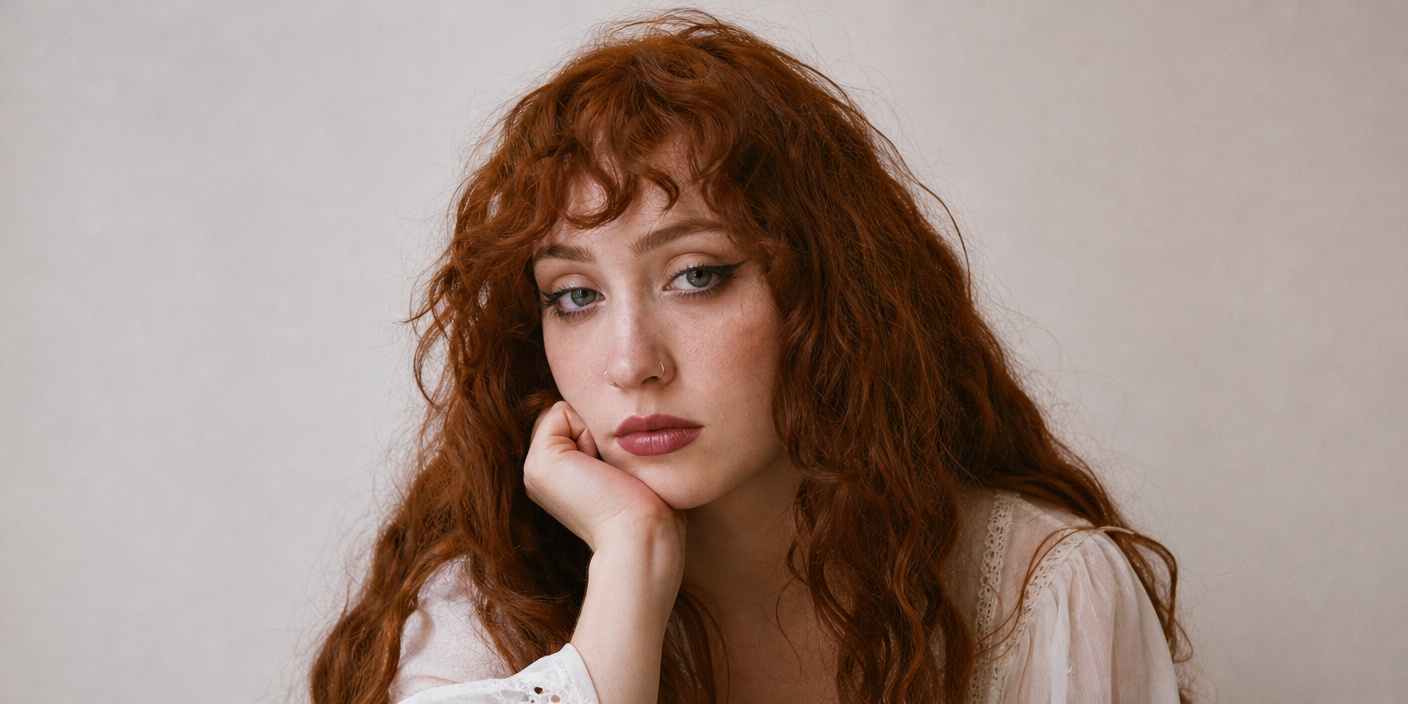
Pop sensation Chappell Roan has officially announced the cancellation of her scheduled performances for the remainder of the month, citing an urgent, overwhelming need to focus on her mental health. The decision comes on the heels of a rapid, unprecedented ascent to stardom, fueled by the massive viral success of her debut studio album, ‘The Rise and Fall of a Midwest Princess.’ In a candid statement released to her followers, the artist acknowledged that the intense physical and emotional demands of the industry, compounded by the constant pressure of her sudden ‘overnight’ fame, have reached a critical point. This development marks a significant moment in the discourse surrounding the sustainability of stardom in the age of digital virality.
Key Highlights:
- Chappell Roan has canceled all remaining tour appearances for the current month to focus on mental wellness.
- The decision follows a period of rapid, viral success that has significantly altered the artist’s lifestyle and public availability.
- The artist cited ‘overwhelming’ pressure as the primary driver for stepping back from scheduled performances.
- The move highlights a broader industry trend where artists are increasingly setting firm boundaries to manage the psychological toll of massive, sudden popularity.
The Anatomy of Burnout: When Fame Outpaces Preparation
The Pressure Cooker of Overnight Success
The narrative of Chappell Roan—born Kayleigh Rose Amstutz—is one of the most compelling stories in modern pop music. Her trajectory from an indie-pop hopeful to a mainstream powerhouse has been lightning-fast. In the industry, this is often referred to as ‘hyper-growth,’ a scenario where an artist’s infrastructure, mental capacity, and professional support systems struggle to keep pace with their cultural impact. The ‘Midwest Princess’ phenomenon did not just happen over years of slow building; it exploded through TikTok algorithms and word-of-mouth acclaim, creating a demand that was practically insatiable.
This level of visibility brings a specific set of challenges. For an artist like Roan, whose performance style relies heavily on character, costume, and high-energy delivery, the ‘mask’ can become difficult to maintain when the internal reality is one of exhaustion. When the audience grows faster than the artist’s ability to process the change, the result is often a profound sense of dislocation. By choosing to step back, Roan is not just canceling dates; she is making a structural decision to preserve the artist-human dichotomy. In an industry that often incentivizes perpetual output, this pause represents a necessary corrective measure to prevent total creative collapse.
Navigating Parasocial Relationships and Digital Scrutiny
One of the defining features of Chappell Roan’s success is the intensely loyal and highly active fanbase she has cultivated. In the current musical landscape, fans often feel a sense of ownership or personal connection to an artist, fostered by the intimacy of social media platforms. While this connection is the engine behind her success, it also acts as a relentless, 24/7 feedback loop. Unlike the touring eras of the 1990s or early 2000s, where an artist could disconnect once the show ended, modern artists are perpetually ‘on’ due to the pressure to provide content, respond to trends, and maintain a visible digital presence.
This omnipresence can lead to severe boundary erosion. Fans may view an artist’s personal struggle as a form of content or a narrative beat, rather than a human reality. Roan’s decision to cancel shows is a direct response to this environment. By withdrawing, she is effectively setting a boundary that dictates her availability. It serves as a reminder that the persona—the ‘Chappell Roan’ that the public consumes—requires a human counterpart who is afforded the space to experience life outside of the spotlight. It is an act of reclaiming the narrative of her own health from the machinery of the music industry.
The New Standard: Mental Health in the Modern Music Industry
Moving Beyond the ‘Show Must Go On’ Mentality
Historically, the entertainment industry has operated under the ‘show must go on’ imperative. Historically, artists were expected to push through physical and mental exhaustion, often leading to public breakdowns or long-term health crises. However, the paradigm is shifting. We are entering an era where younger artists, who have grown up with the internet and its transparency, are more willing to talk openly about the cost of their art.
Roan’s cancellation is not an isolated incident; it is part of a larger, evolving dialogue among Gen Z and millennial artists regarding mental health. From Billie Eilish to Olivia Rodrigo, there is a collective acknowledgment that the traditional model of non-stop touring cycles is inherently unhealthy. By prioritizing her well-being, Roan is challenging the assumption that an artist’s value is tied solely to their availability. This, in turn, may force promoters and record labels to rethink tour scheduling, logistical planning, and the duty of care owed to talent. If the ‘customer’ (the fan) is consistently educated on the importance of an artist’s health, they are often surprisingly supportive, proving that sustainability is a metric of long-term success.
Future Implications and Professional Recovery
The economic implications of canceling a tour are significant, affecting everyone from crew members and venue operators to ticket holders and vendors. However, the cost of burnout is far higher. An artist who is forced to perform while in a state of mental exhaustion risks not only their health but also the quality of their creative output. The long-term trajectory of a career depends on the longevity of the artist, not the intensity of their first year.
As we look ahead, the industry will likely see more ‘pauses’ like this one. We should expect to see more robust mental health clauses in recording and touring contracts, a reduction in back-to-back tour legs, and a greater emphasis on professional support systems for touring artists. Chappell Roan’s break is a pivotal case study in how modern icons can exert control over their careers. It sends a message that success does not have to be synonymous with self-sacrifice. For her fans, the ‘Midwest Princess’ may be stepping off the stage for now, but in doing so, she is ensuring that she can return to it on her own terms, in her own time, and with the full creative vitality that her audience expects.
FAQ: People Also Ask
Why did Chappell Roan cancel her shows?
Chappell Roan canceled her performances primarily due to burnout and the overwhelming pressure associated with her rapid, viral success. She cited a critical need to prioritize her mental health and step back from the intense demands of her current touring schedule.
Does this mean her tour is permanently canceled?
No, the cancellation applies to the specified upcoming performances for the current month. The artist has expressed that this is a break intended to facilitate recovery, not a permanent retirement from touring.
How have fans responded to the news?
While disappointment is natural among ticket holders, the broader response has been largely supportive. Many fans have praised her transparency, highlighting the growing cultural importance of normalizing mental health breaks for public figures.
Are other artists following this trend?
Yes, there is an increasing trend of high-profile artists, including those of the Gen Z demographic, taking hiatuses to address mental health. It marks a shift away from the traditional, relentless touring models of the past.