The country music landscape is experiencing a definitive shift this week, anchored by the immediate and powerful fallout of the 60th CMA Awards. As the industry settles from the celebrations in Nashville, the reverberations of Lainey Wilson’s commanding performance are already driving streaming numbers and radio play. This surge in attention has created a perfect environment for a wave of new music that defines the genre’s current trajectory—one that balances polished production with an increasing desire for authentic, neo-traditionalist songwriting.
Key Highlights
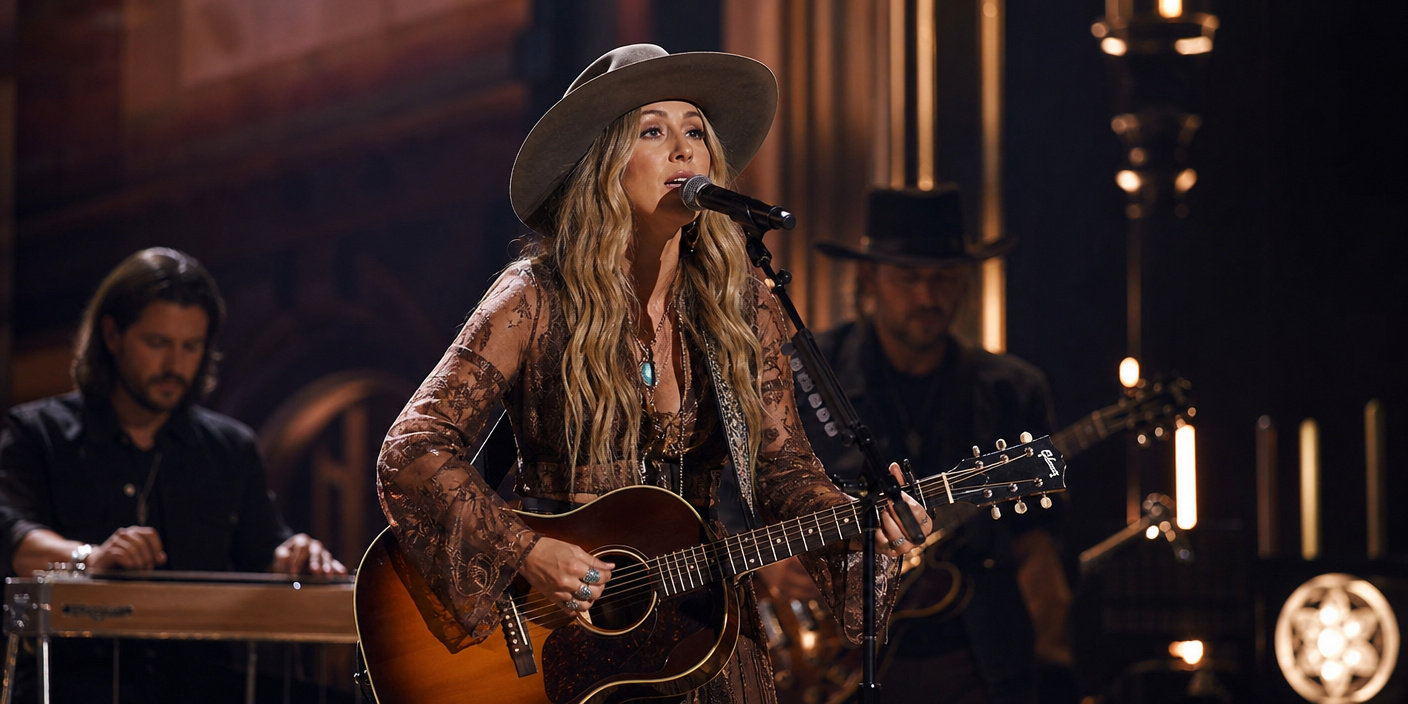
- Lainey Wilson’s live performance of ‘Just A Woman’ has become the viral centerpiece of the post-60th CMA Awards cycle.
- Rising star Zach Top is solidifying his position in the neotraditionalist movement with his latest track release.
- Cross-genre icon Kane Brown continues to push stylistic boundaries with his newest project drop this week.
- Multi-GRAMMY winner Kacey Musgraves returns with a contemplative new single that highlights a return to acoustic-forward storytelling.
The Wilson Effect: A Masterclass in Modern Country Stardom
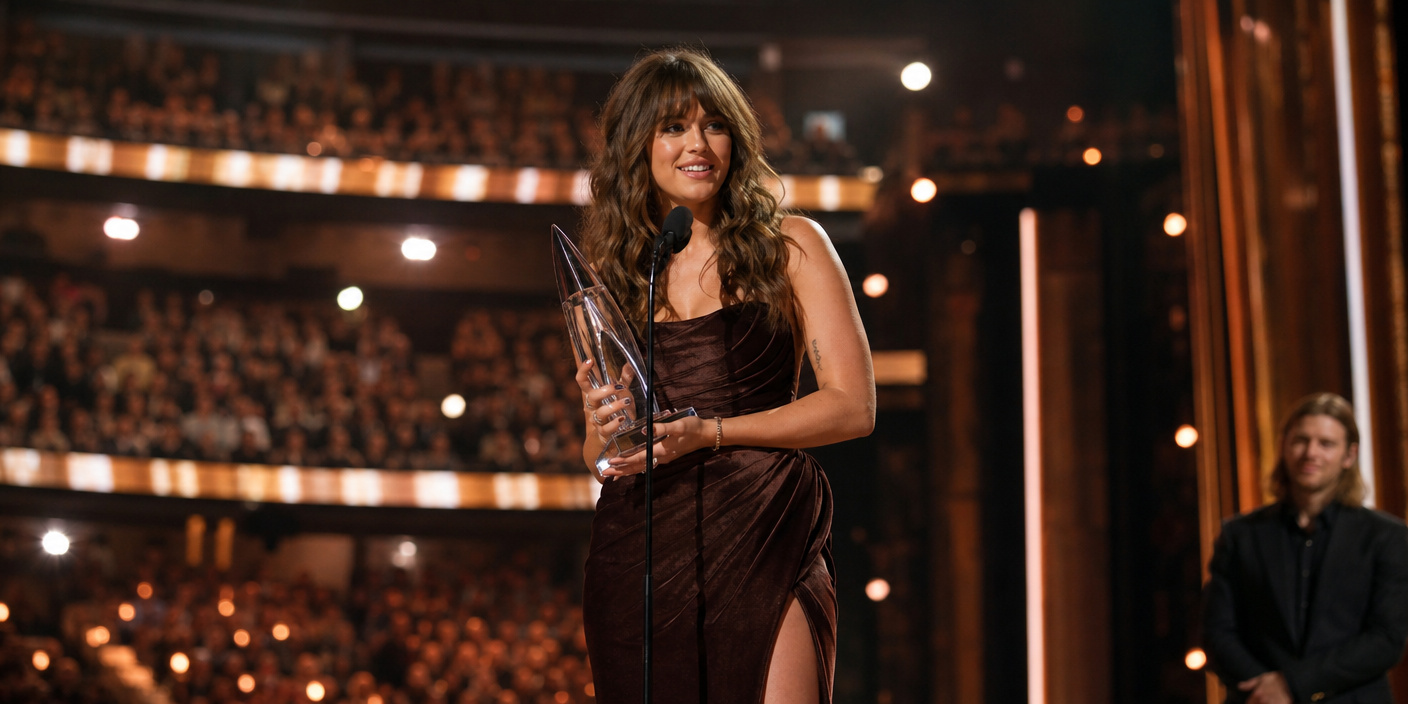
There is no denying that the 60th anniversary of the Country Music Association Awards was, at its core, the Lainey Wilson show. By balancing the dual responsibilities of host and performer, Wilson did more than just emcee the evening; she set the tone for the entire week of music following the broadcast. Her performance of ‘Just A Woman’ was not merely a set piece—it was a definitive statement on the thematic direction of her current era.
The Vocal Power of ‘Just A Woman’
‘Just A Woman’ highlights Wilson’s evolution as a vocalist, moving away from the purely honky-tonk anthems that defined her breakout and toward a more introspective, power-ballad style. During the live performance at the 60th CMA Awards, the emotional resonance of the song was palpable, with critics and social media metrics alike noting the spike in engagement across major streaming platforms. This performance serves as a primary driver for the current week’s chart momentum. By positioning herself as both an entertainer and a serious songwriter, Wilson has effectively bridged the gap between traditional country fans and the pop-crossover audience.
The Impact of the 60th Anniversary
The 60th anniversary of the CMA Awards was always going to be a milestone, but Wilson’s involvement ensured it remained relevant for a younger, digital-native demographic. The coordination of her performance with this week’s release cycle suggests a sophisticated, multi-pronged promotional strategy that maximizes the ‘halo effect’ of a major televised event. We are seeing a shift where artists now time their most vulnerable tracks to immediately follow their most high-energy televised moments, creating a contrast that keeps listeners engaged.
The New Wave: Analyzing the Week’s Critical Drops
While Wilson owns the spotlight, the ecosystem of country music this week is bolstered by a diverse array of talent. The presence of Zach Top, Kane Brown, and Kacey Musgraves provides a holistic view of where the genre is headed.
Zach Top and the Neo-Traditionalist Surge
Zach Top’s inclusion in this week’s lineup is significant for the industry’s direction. For several years, critics argued that the genre was moving too far into pop-production territory. Top represents the corrective force in this narrative. His newest track captures a 90s-infused spirit that resonates with a growing segment of the audience fatigued by synthetic beats. His ability to release music during a week dominated by big-tent stars like Wilson shows the strength of the traditionalist niche.
Kane Brown’s Crossover Evolution
Conversely, Kane Brown continues to defy categorization. His latest release serves as a reminder of his role as a genre-blender. Brown doesn’t just work within the country framework; he actively pulls from R&B and pop sensibilities, proving that the ‘country’ label is becoming increasingly fluid. For the industry, this is a lesson in adaptability. Brown’s ability to remain consistent with his core sound while evolving his production style is a blueprint for newer artists.
Kacey Musgraves’ Return to Roots
Finally, the arrival of new music from Kacey Musgraves marks a pivotal moment. After exploring more experimental, psychedelic territory, Musgraves’ recent output suggests a return to the songwriter-first philosophy that made her a superstar. Her latest track is a masterclass in minimalism, a stark contrast to the high-production spectacle of the CMA Awards, which actually serves to highlight her distinctiveness.
Economic and Cultural Implications
The synchronization of these releases—happening in the immediate wake of the CMA Awards—is a calculated move in the modern music economy. The ‘CMA Effect’ creates a concentrated period of peak listener interest. By aligning new tracks with this window, labels are capitalizing on the ‘top-of-funnel’ traffic that major awards shows generate.
We are observing a trend toward ‘event-based’ music consumption. It is no longer enough to simply release a song; it must be part of a narrative. Whether it is Wilson using an awards performance to launch a song, or Musgraves using the quietude of a post-awards week to drop an introspective single, the industry is moving away from random distribution toward curated, high-impact cultural moments.
FAQ: People Also Ask
Why was the 60th CMA Awards considered a turning point for the industry?
The 60th CMA Awards served as a cultural reset, highlighting a new generation of artists, led by Lainey Wilson, who are successfully balancing massive mainstream popularity with the traditional values and sonic roots that define the genre.
How do live performances at award shows impact streaming numbers?
Data consistently shows a massive ‘streaming spike’ in the 48 to 72 hours following a televised performance. Artists like Lainey Wilson utilize this window to debut new music, effectively converting casual viewers into active listeners on platforms like Spotify and Apple Music.
What does the influx of ‘neo-traditional’ music like Zach Top’s suggest about the genre’s future?
The success of neo-traditionalists suggests that while pop-country remains dominant, there is a substantial and growing market segment that values songwriting depth, live instrumentation, and a ‘classic’ country sound, ensuring a balanced, multi-faceted future for the genre.
Is the collaboration trend between country and pop artists slowing down?
Quite the opposite. As seen with artists like Kane Brown, the lines between pop, R&B, and country are increasingly porous. The industry is moving toward a model where ‘country’ is a stylistic choice rather than a restrictive category, allowing for broader creative freedom.