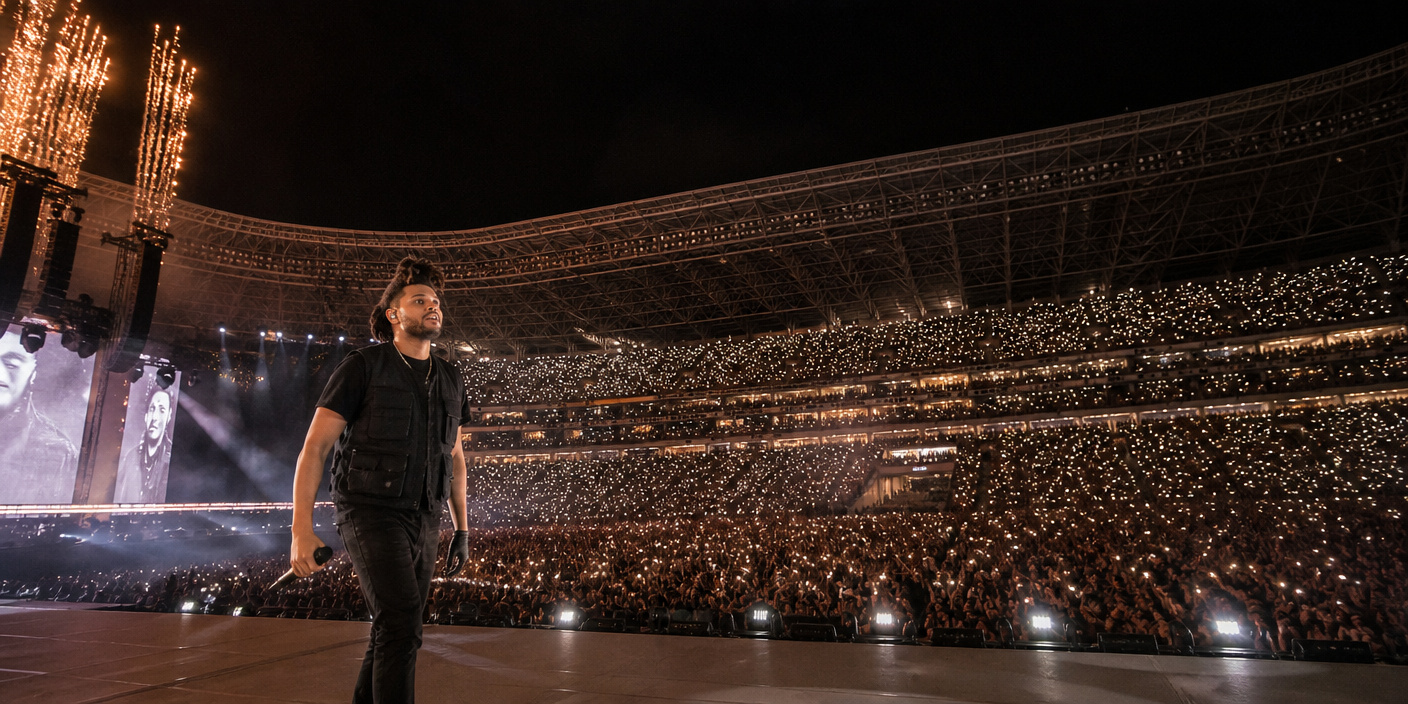
Lil Yachty took the stage at Chicago’s Radius venue for the highly anticipated U.S. debut of Red Bull Setlist, an innovative, interactive concert experience that effectively handed creative control of the night’s performance directly to the audience. Departing from the rigid, pre-planned tracklists that have defined modern touring, Yachty engaged in a real-time collaborative experiment, proving that the future of live performance lies in the democracy of the crowd.
The Democracy of Sound: Inside the Fan-Curated Revolution
The fundamental challenge for any high-profile artist is balance: maintaining a cohesive narrative arc during a live show while keeping the energy consistent. Lil Yachty, known for his experimental pivots—ranging from bubblegum trap to psychedelic rock—seemed the perfect candidate to test the Red Bull Setlist format. In a typical concert setting, fans arrive knowing exactly which songs will be played, often in a specific order designed by the artist’s production team. At Radius, that dynamic was dismantled.
Attendees at the Chicago venue utilized a mobile-based interface throughout the night, voting on songs and specific arrangements in real-time. This shifted the burden of performance from a standard recitation of a tour setlist to a test of artistic agility. For Yachty, this required a mastery of his entire discography, as he had to be ready to pivot from his hard-hitting trap anthems to the more melodic, introspective cuts from his Let’s Start Here era, often at a moment’s notice based on the live polling data displayed prominently in the venue.
The Tech Behind the Transformation
Radius, already known as one of Chicago’s premier technical venues, served as the ideal laboratory for this experiment. The integration of the Red Bull Setlist interface required a sophisticated marriage between the venue’s lighting, sound, and the real-time voting API. The crowd-sourced data didn’t just dictate the song selection; it influenced the visual presentation. When the audience favored a heavier, bass-boosted track, the lighting rigs adjusted with aggressive strobes and industrial, high-contrast aesthetics. Conversely, when the set trended toward Yachty’s more atmospheric, psychedelic rock influences, the stage bathed the artist in warm, ethereal gradients.
This is a significant shift in concert technology. We are moving away from “canned” tours where the only variable is the artist’s banter, toward a “living” concert format. It forces artists to rehearse a much wider catalog, essentially requiring them to know every track they have ever released at a professional level, rather than just the current touring cycle’s playlist.
Lil Yachty’s Mastery of Improvisation
The U.S. debut of this format hinged on Yachty’s ability to maintain flow despite the chaotic nature of audience voting. An unprepared performer would have stumbled under the pressure of having their set dictated by thousands of unpredictable fans. Yachty, however, leaned into the improvisation. He treated the voting intervals as opportunities to connect with the audience, breaking the “fourth wall” of performance to discuss why certain songs were rising in the polls.
This secondary angle—the psychological impact of active participation—cannot be understated. Fans were no longer passive observers; they were co-directors of the event. This fostered an intense level of engagement. When the crowd voted for an obscure track, the cheers were demonstrably louder because the fans felt the agency of their choice being realized. For the music industry, this represents a potential template for future “eventized” concerts where the exclusivity of the setlist drives ticket sales and keeps the repeat-attendance value high.
Secondary Angles: Exploring the Future of Touring
1. The Decline of the “Canned” Tour: As Red Bull Setlist gains traction, major tours may feel pressure to move away from static sets. We may see the rise of “A-la-carte” concerts where VIP ticket holders have weighted votes, or where fans can “bid” on the next song, effectively gamifying the concert experience.
2. Artist Versatility as a Marketability Metric: This format exposes artists who rely too heavily on backing tracks or limited catalogs. Lil Yachty’s success here highlights his versatility, but it also creates a new standard: an artist’s touring ability will increasingly be measured by the breadth of their “playable” song bank.
3. Venue-Technology Integration: Radius Chicago’s role was crucial. Venues that lack the high-speed data infrastructure and programmable lighting rigs required for real-time setlist voting will soon fall behind. The “smart venue” is no longer a buzzword; it is a prerequisite for this new era of interactive live music.