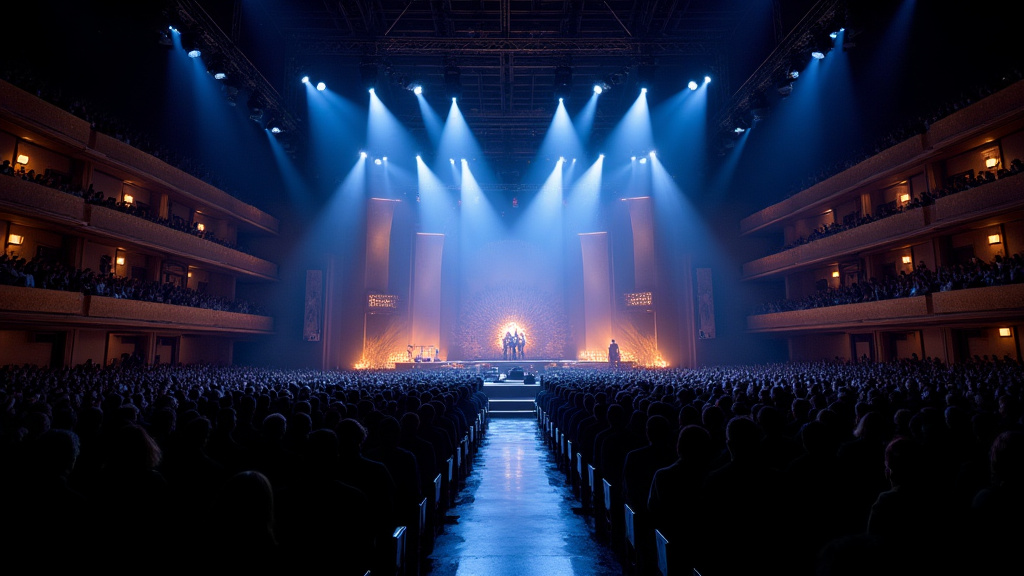
The 69th Annual Grammy Awards have once again underscored the immense influence of Universal Music Group (UMG) in the global entertainment ecosystem. With a sweeping collection of nominations across all major categories, the organization has solidified its reputation as the primary architect of modern musical culture. This year’s recognition reflects not only the commercial success of UMG’s roster but also the artistic depth and diversity of its distributed partners, songwriters, and labels. From established icons to breakout newcomers, the breadth of UMG’s presence at the ceremony highlights a strategic commitment to nurturing talent that resonates across demographics, borders, and musical genres.
The Anatomy of UMG’s Nomination Success
The nomination list for the 69th Annual Grammy Awards serves as a comprehensive map of the current music industry, and UMG is firmly placed at its center. The nominations span the entire spectrum of sonic production—from the raw, unfiltered storytelling of contemporary songwriters to the highly polished, genre-bending anthems that define the streaming era. This achievement is not incidental; it is the result of a meticulously constructed distribution and label network that prioritizes creative autonomy alongside data-driven marketing.
Key labels under the UMG umbrella, including Republic Records, Interscope Geffen A&M, and Capitol Music Group, have contributed significantly to this year’s tally. These entities have successfully navigated the complexities of the modern digital market while maintaining the high standards expected by the Recording Academy. The nomination across ‘all genres’ is particularly notable, as it suggests that UMG’s influence is not limited to pop or radio-friendly hits but extends into jazz, classical, electronic, and hip-hop spheres. This horizontal integration of talent allows UMG to capture the ear of the global audience, regardless of shifting trends in streaming algorithms or localized cultural tastes.
Empowering the Creator Ecosystem
Central to UMG’s success is its dedication to the ‘family of artists and songwriters’ model. Unlike traditional record labels of the past century that sought to commoditize music, UMG’s current strategy emphasizes the partnership between the label and the creator. This is evident in the specific nominations received by UMG-affiliated songwriters, who are increasingly recognized for their ability to craft hits that define cultural moments.
This year’s Grammy cycle reinforces that the modern songwriter is the engine of the industry. By providing the infrastructure—both technical and financial—to foster these creators, UMG ensures that its pipeline of high-quality music remains robust. The awards are, in essence, a validation of the company’s long-term investment in artistic development. The collaborative nature of these nominations, which often feature multi-label partnerships and distributed label inputs, also showcases UMG’s ability to act as a bridge between independent visionaries and global audiences.
Historical Context: The Evolution of a Music Giant
To understand the significance of UMG’s dominance at the 69th Grammys, one must look at the historical trajectory of the music industry over the last two decades. We have moved from the era of physical media and retail gatekeepers to the decentralized, streaming-first environment of the 2020s. UMG has successfully pivoted through these eras by embracing data analytics and international licensing, but without losing the prestige that comes with award-winning artistry.
Historically, major labels were often criticized for prioritizing profit over art. However, UMG’s performance in recent Grammy cycles suggests a strategic shift: a realization that the most valuable commodity is the cultural zeitgeist, which can only be captured through authentic, high-quality creative work. By consistently securing a lion’s share of the nominations, UMG maintains its position as the industry benchmark. This is not merely about volume; it is about prestige. A Grammy nomination remains the highest currency in the music business, and UMG’s ability to consistently secure these nods for its roster acts as a powerful signaling mechanism to investors, consumers, and other artists alike.
The Economic and Cultural Ripple Effect
Beyond the glitz and glamour of the awards ceremony, the economic implications for UMG and its stakeholders are substantial. Grammy nominations are a quantifiable asset, increasing streaming numbers, concert ticket demand, and licensing opportunities. When a UMG artist is recognized by the Recording Academy, it validates the company’s A&R (Artists and Repertoire) strategy and strengthens its negotiating leverage in future distribution deals.
Furthermore, the sheer volume of UMG nominations affects the market value of the music catalogs the company manages. As streaming platforms look to highlight ‘award-winning’ content, UMG’s nominated works will see increased placement, further cementing their status in the digital ‘long tail.’ This creates a virtuous cycle: the nominations drive engagement, the engagement drives revenue, and the revenue fuels the next generation of creative investment.
Future-Proofing the Industry
Looking ahead, the 69th Grammy nominations provide a glimpse into the future of music consumption. We are seeing a move away from rigid genre categorization, with UMG artists frequently blurring the lines between pop, hip-hop, R&B, and electronic music. UMG’s ability to facilitate this crossover is a competitive advantage. As the music industry faces challenges such as the rise of generative AI and the fragmentation of media, UMG’s focus on the ‘human’ element of artistry—the songwriters and performers—is the company’s strongest defense.
By continuing to lean into the cultural narratives provided by its diverse roster, UMG is ensuring that its brand remains synonymous with relevance. The 69th Annual Grammy Awards are more than just a ceremony for UMG; they are a report card on the company’s current cultural authority. It is clear that the organization is not just keeping pace with the industry, but actively defining the parameters of what it means to be a modern, successful music entity. As the industry continues to evolve, the partnership between UMG’s vast creative network and the Recording Academy’s critical recognition will remain a primary driver of the global music experience.