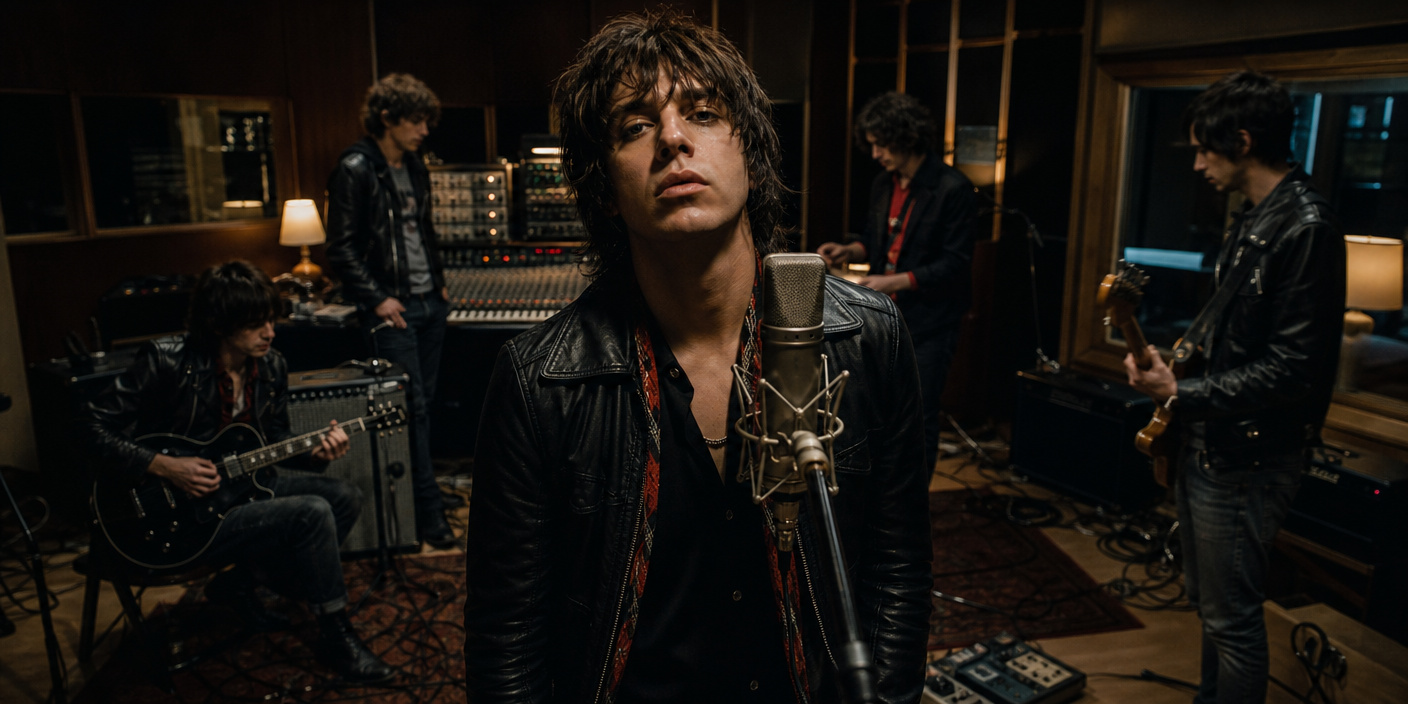
The Strokes have returned to the spotlight with their latest studio album, Reality Awaits, a release that has quickly transitioned from a highly anticipated musical event into a center-stage controversy. Critics and fans alike are dissecting the project, which appears to mark a calculated shift in the band’s creative direction. While the record features the quintet’s signature sharp, rhythmic precision, the true focal point of the conversation is the lyrical content found within the track “Lonely in the Future,” which has been identified as a direct, provocative critique of several high-profile figures within the entertainment industry. The Los Angeles Times, in a recent critical analysis, noted that this departure from the band’s usual abstract storytelling suggests a new, more confrontational era for the group.
Key Highlights
Targeted Lyrical Content: The track “Lonely in the Future” contains explicit references that the Los Angeles Times* identifies as targeted attacks on major entertainment industry players.
Album Atmosphere: Reality Awaits* combines the band’s classic garage-revival aesthetic with a darker, more cynical lyrical tone than previous projects.
- Critical Reception: The album is being categorized not just as a musical release, but as a cultural flashpoint, forcing a discussion on the role of rock music in the current social media-driven celebrity landscape.
The New Front of Musical Confrontation
The release of Reality Awaits signals a dramatic pivot for Julian Casablancas and company. For over two decades, The Strokes have navigated the music industry with a blend of detached cool and intricate sonic layering. However, this album strips away that insulation. The track “Lonely in the Future,” currently the most scrutinized piece of music from the collection, abandons the oblique metaphors typically found in the band’s repertoire in favor of specific grievances.
According to the Los Angeles Times review, the lyrical bite in this track is “unapologetic and pointed,” effectively shifting the band’s narrative from observational artists to active participants in the very power dynamics they have previously critiqued from the sidelines. By naming—or at least strongly implying the identities of—several high-profile entertainment figures, the band has effectively turned their album into a public document of industry dissent.
A Departure from the Norm
Historically, The Strokes have been defined by the interplay between Albert Hammond Jr.’s syncopated guitar lines and Casablancas’s weary, melodic delivery. In Reality Awaits, the musical composition feels tighter and perhaps more urgent, mirroring the intensity of the message. The sonic landscape is intentionally minimalist, allowing the lyrics to sit at the forefront of the listener’s experience.
This stylistic choice reinforces the severity of the content. There is no “filler” on this record; every note and syllable seems designed to command attention. The band has not issued a formal statement regarding the specific subjects of the lyrics, maintaining a calculated silence that has only served to amplify the speculation surrounding the album’s hidden messages.
The Impact on Modern Music Journalism
The response to Reality Awaits also highlights a shifting paradigm in how major publications like the Los Angeles Times cover music. The modern critic is no longer just evaluating chords and tempo; they are now tasked with deciphering social commentary and potential industry feuds embedded in the music. The fact that a band of The Strokes’ stature has engaged in this level of provocation suggests that the medium of the “album” is once again becoming a vehicle for significant public discourse, much like the protest music of the 1970s, albeit with a modern, digital-age twist.
Historical Context: From Indie Darlings to Industry Critics
It is worth noting the trajectory of the band leading up to this moment. Having risen to prominence in the early 2000s, The Strokes have weathered various industry shifts, from the death of the physical album format to the rise of streaming-first music consumption. Their endurance is a testament to their adaptability. However, this is the first time the band has openly weaponized their songwriting against peers and industry titans.
Some industry analysts suggest that this strategy is a double-edged sword. While it guarantees immediate attention and high streaming numbers in the short term, it creates a polarizing effect that could alienate certain segments of the industry. Conversely, others argue that this represents the band’s most “punk” act to date—eschewing the safety of the status quo to challenge the influencers of the entertainment complex.
Future Predictions for the Band
Looking ahead, it remains to be seen how Reality Awaits will perform on the touring circuit. Will the band lean into this controversy during live performances, or will the music stand alone? Given the current climate, it is likely that the conversation will move from the reviews columns to the social media platforms, where the subjects of these lyrics may feel compelled to respond. This feedback loop of controversy and artistic creation is likely to define the next chapter of the band’s career, cementing their status not just as musicians, but as cultural agitators.
FAQ: People Also Ask
1. Is ‘Reality Awaits’ considered a concept album?
While not an explicit concept album, Reality Awaits is being described by critics as a thematic project centered on the exhaustion of modern celebrity and the hollowness of the industry, anchored by the controversial track “Lonely in the Future.”
2. How have the targeted entertainment figures reacted?
As of the latest reports following the album’s release, there has been no official comment from the figures implied in the lyrics of “Lonely in the Future.” The band has likewise maintained a stoic, consistent silence, letting the album speak for itself.
3. Is this the most controversial album of The Strokes’ career?
By a significant margin, yes. While the band has faced criticism for their personal habits or shifting sounds in the past, this is the first instance of deliberate, targeted lyrical provocation aimed at other high-profile individuals in the industry.