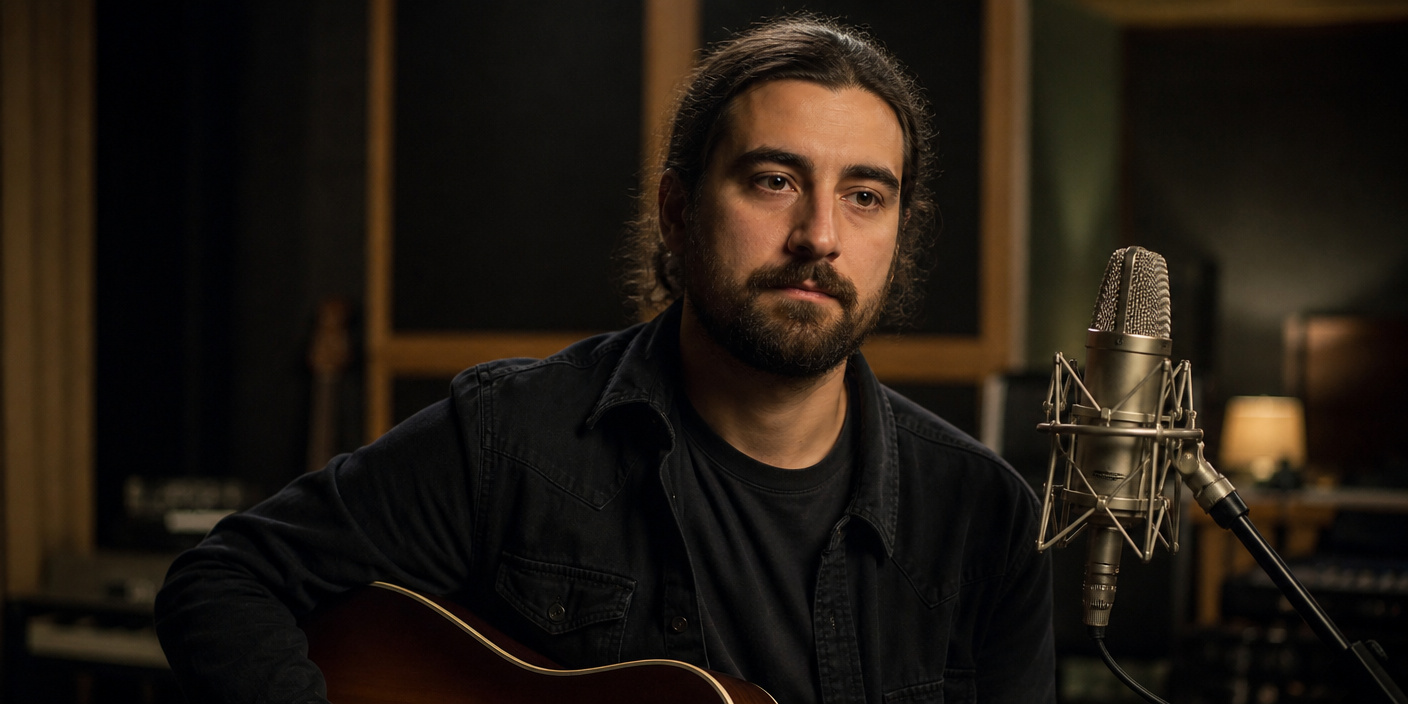
Singer-songwriter Noah Kahan has formally denounced the White House’s use of his track ‘American Cars’ in a recent social media video promoting President Trump’s visit to a General Motors (GM) testing facility in Michigan. The move, which has sparked a firestorm of discussion regarding copyright, intellectual property, and political branding, highlights the ongoing tension between creative artists and government entities utilizing commercial music to frame political narratives. Kahan was unequivocal in his response, stating that he would never approve of his music being associated with the administration, forcing a rapid pivot in the conversation from the content of the video to the ethics of the production team behind it.
The Anatomy of the Unauthorized Post
The controversy began when an official White House digital media channel published a video highlighting President Trump’s visit to a General Motors test site in Michigan. The video featured the track ‘American Cars,’ a choice that appeared designed to underscore the theme of American industrial manufacturing and labor. However, the juxtaposition of Kahan’s distinct, indie-folk sound with the political messaging created an immediate dissonance for fans and the artist alike.
Within hours of the video going live, Kahan addressed the situation on public channels, clarifying that he had not authorized the use of his intellectual property. For Kahan, this was not merely a procedural oversight but a fundamental mismatch of values. By explicitly distancing himself from the administration, the singer-songwriter reinforced his stance that creative consent is paramount, regardless of the perceived ‘fit’ of the song for the visual narrative.
The Legal Tightrope of Political Media
This incident serves as a significant case study in the complexities of music licensing in the digital age, particularly regarding ‘Public Performance’ versus ‘Sync’ licenses. When a song is featured in a video produced by a government entity or a campaign, the legal requirements are rigorous. While broadcast stations often hold blanket licenses that allow them to play music, utilizing a specific song in a produced piece of media—especially one that conveys a political message—requires a ‘synchronization’ (sync) license.
Legal experts suggest that such licenses are rarely granted for political endorsements or promotional materials, as most artists are protective of their ‘brand equity.’ The White House and political campaigns operate in a gray area where they often rely on existing broad licenses that cover public performances, yet these do not necessarily extend to the intentional synchronization of a specific artist’s work with political rhetoric. Kahan’s public objection highlights the fragility of this practice. If artists begin to consistently enforce these boundaries through litigation, it could fundamentally reshape the ‘audio-visual toolkit’ available to politicians, forcing them to rely on royalty-free stock music or original compositions rather than popular culture hits.
The GM/Michigan Backdrop: A Strategic Visual Choice
The choice of ‘American Cars’ was likely a strategic decision by the production team to tap into the industrial heartland imagery of Michigan. By selecting a song with a title and tone relevant to automotive manufacturing, the producers aimed to create an authentic ‘American’ feel. However, the disconnect between the content of the song and the context of the political figure remains the pivot point of the controversy.
Historically, Michigan has been the epicenter of the American automotive industry, and General Motors testing sites carry a weight of prestige and history. For the administration, the location is a powerful backdrop for economic messaging. By pairing this high-stakes political environment with a song that speaks to the identity of the American worker, the producers were clearly attempting to build an emotional connection. Kahan’s rejection of this pairing suggests that the ’emotional labor’ provided by his music should not be weaponized for political narratives without explicit, informed consent.
Secondary Angles: Exploring the Fallout
1. The Evolution of Artist-Fan Digital Contracts: In the modern era, the relationship between an artist and their fanbase is largely built on perceived authenticity and shared values. When an artist like Kahan takes a public stand against unauthorized usage, they are not just protecting their copyright; they are signaling to their audience exactly where their political and personal boundaries lie. This transparency strengthens the ‘artist-fan contract’ and creates a protective shield around the artist’s persona. Fans now demand that their favorite musicians be stewards of their own work, refusing to let it be co-opted for agendas they may not support.
2. The ‘Cease and Desist’ as a Cultural Ritual: We are witnessing a normalized, repetitive cycle where musicians routinely issue cease-and-desist orders against political entities. From the Rolling Stones to Neil Young, the precedent is well-established. However, the speed of social media, as seen in the Kahan incident, has accelerated this dynamic. The public ‘denouncement’ happens in real-time, often long before legal paperwork is filed. This shift from private legal negotiation to public social media condemnation is a tactical evolution, prioritizing immediate ‘public sentiment’ over slow-moving litigation.
3. The Future of AI and Music Licensing in Campaigns: As AI tools become more prevalent in campaign video production, the ease with which ‘sound-alike’ tracks can be generated is exploding. While this specific incident involved a genuine Kahan track, the future of this conflict will likely move toward ‘AI-generated style-alikes.’ Campaigns may soon bypass the need for licensed music altogether, creating original tracks that mimic the tone of popular artists without infringing on specific copyright laws. Kahan’s vocal pushback today sets a precedent for how artists might fight not just for their specific songs, but for the ‘sonic ownership’ of their unique sound and style in the coming AI-dominated political landscape.
FAQ: People Also Ask
Q: Was Noah Kahan’s music used in a campaign ad or an official government video?
A: The music appeared in an official White House social media post, which documented a visit by President Trump to a General Motors test site in Michigan. It was not a campaign advertisement, though the distinction is often blurred in the public eye.
Q: What is a ‘Sync License’ and why does it matter?
A: A synchronization (sync) license is an agreement between the music copyright holder (the artist or label) and the licensee (the video creator) that allows the music to be ‘synchronized’ with visual images. Without this explicit permission, the use of the song in a video is generally considered an infringement of copyright.
Q: Why do artists often reject their music being used by politicians?
A: Most artists reject political use of their music to avoid the implication of an endorsement. They prioritize their artistic integrity and want to ensure their work is not associated with specific political platforms, policies, or candidates, as this could alienate segments of their fan base and compromise their brand identity.