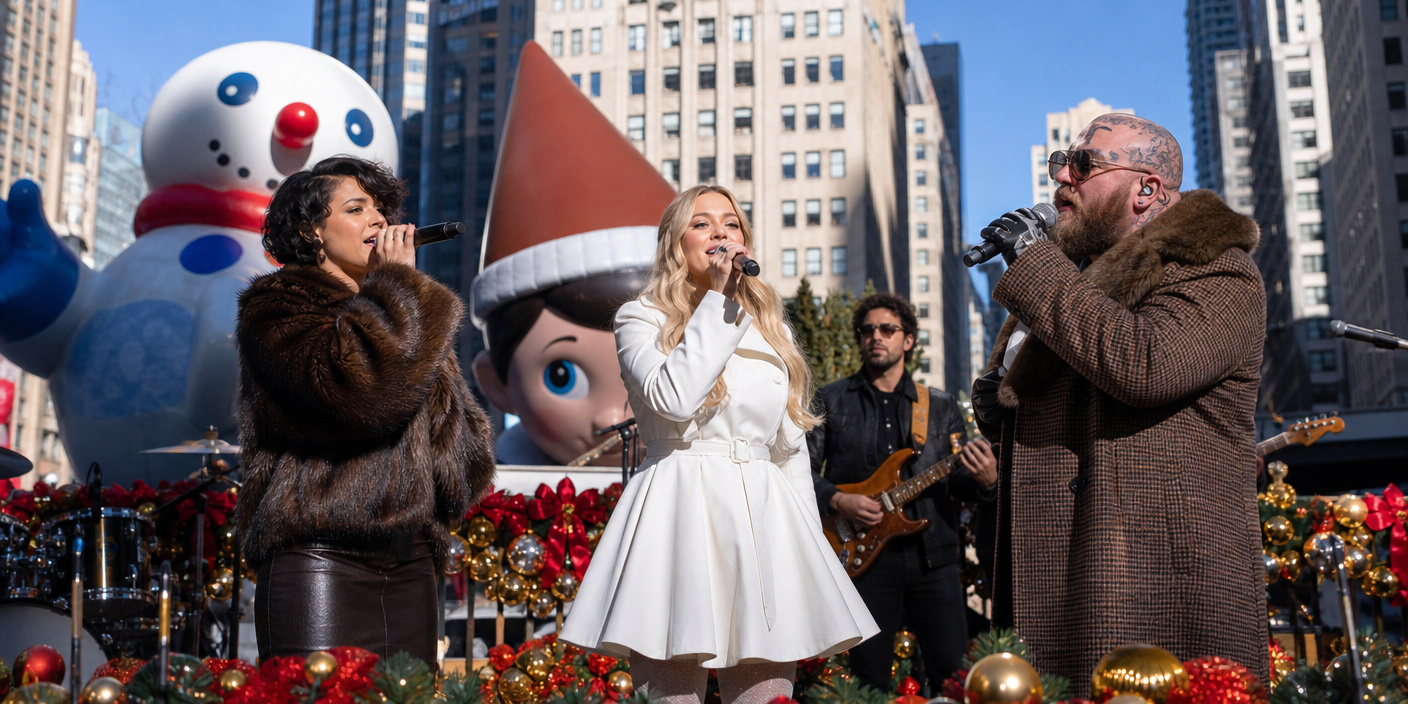
The 2026 Macy’s Thanksgiving Day Parade is poised to be a milestone event, marking the 100th anniversary of one of New York City’s most enduring cultural traditions. As the city prepares for this centennial celebration, the excitement surrounding the star-studded lineup is currently tempered by a serious meteorological concern: high-velocity winds that threaten to ground the parade’s iconic, larger-than-life balloons for the first time in over half a century. While the event remains a fixture of American holiday culture, the 2026 iteration presents a unique paradox of historic celebration and operational volatility.
A Century of Tradition: The Centennial Milestone
Since its inception in 1924, the Macy’s Thanksgiving Day Parade has evolved from a small promotional event into a global spectacle, drawing millions of spectators to the streets of Manhattan and tens of millions more on television screens. The 100th anniversary serves as a focal point for reflection on how the parade has mirrored the cultural progression of the United States. Over the last century, the parade has survived economic downturns, wars, and technological shifts, cementing its place as the definitive herald of the holiday season. The 2026 event is designed to honor this legacy, with planners aiming to synthesize a century of nostalgia with modern performance standards, ensuring the visual splendor of the event reaches unprecedented heights.
The Soundtrack of the Centennial
To capture the spirit of a new generation while respecting the history of the parade, the event organizers have curated an eclectic and highly contemporary musical lineup. The roster features some of the most prominent voices in modern music, designed to bridge the gap between traditional broadcast audiences and the streaming-first demographic.
RAYE, the multi-talented British singer-songwriter whose critical and commercial acclaim has skyrocketed, is expected to provide a dynamic focal point for the broadcast. Joining her is country breakout star Megan Moroney, whose storytelling prowess aligns perfectly with the parade’s emphasis on heartland appeal and narrative performance. Adding a layer of bluesy, soulful energy to the mix is Teddy Swims, whose recent chart success makes him a centerpiece of the musical segment. These artists, representing disparate genres, reflect the parade’s ongoing effort to maintain cultural relevance in an increasingly fragmented media landscape. Their presence is not merely aesthetic; it is a strategic maneuver to ensure the 100th-anniversary broadcast remains a top-tier event in a competitive entertainment market.
The Wind Challenge: Safety Protocols and Historical Precedent
Beneath the glamour of the performances lies a significant, and potentially disruptive, challenge: the weather. In the history of the parade, the grounding of balloons due to wind is a rare, cautionary event. Current forecasts indicate that high-velocity winds, sustained at speeds capable of compromising the stability of giant balloons, may necessitate an unprecedented decision by the parade’s safety committee.
Safety protocol dictates that if wind speeds exceed specific thresholds—typically sustained winds above 23 mph or gusts exceeding 34 mph—the balloons must be grounded or kept at significantly lower altitudes. It has been over 50 years since weather conditions necessitated a full-scale grounding of these iconic inflatables. For organizers, the dilemma is high-stakes. The balloons are the defining aesthetic of the parade, and their absence would be a significant alteration to the visual experience. However, the safety of the parade participants and the massive, packed crowd along the route is the absolute priority. The potential grounding represents a collision between the show’s legacy of wonder and the modern, rigorous insistence on public safety in a post-1997 wind-accident era.
Operational Complexity and Future Resilience
The logistical challenge of the 2026 parade is not just about the weather; it is about managing the infrastructure of a legacy event in the heart of a modern metropolis. The route through Herald Square requires precision coordination, and when external variables like extreme wind are introduced, the operational plan must shift rapidly.
Historically, the Macy’s parade has invested heavily in balloon technology, utilizing better tethering systems and materials to withstand the wind tunnels created by the city’s skyscraper canyons. The fact that organizers are currently expressing concern about the 2026 winds highlights a rare confluence of meteorological severity and the physical vulnerabilities inherent in such a massive display. This event will likely serve as a case study for future parade operations, demonstrating how a legacy brand adapts to increasingly unpredictable climate patterns while maintaining a high-production-value broadcast.
The Cultural and Economic Impact
Beyond the performances and the spectacle, the 100th anniversary is a massive economic engine for New York City. The influx of tourists, the massive advertising revenue from the broadcast, and the ancillary benefits to hospitality and retail sectors make this event more than just a parade. It is a critical component of the city’s economic rhythm. The decision-making process regarding the balloons, therefore, is not merely a production choice; it has downstream financial implications for the city and the brand alike. Should the weather hold, it will be a triumphant centennial. If the winds force a change, it will serve as a stark reminder that even after 100 years, the Macy’s Thanksgiving Day Parade is ultimately at the mercy of the elements.
FAQ: People Also Ask
Q: What is the primary weather threat for the 2026 parade?
A: The primary threat is high-velocity winds. If sustained speeds or gusts exceed established safety thresholds, the iconic parade balloons may be grounded to ensure public safety, which would be the first such occurrence in over 50 years.
Q: Who are the featured performers for the 100th anniversary?
A: The parade will feature performances by RAYE, Megan Moroney, and Teddy Swims, among other special guests, chosen to represent a broad cross-section of today’s most popular musical talent.
Q: How do organizers determine if the balloons can fly?
A: Organizers utilize strict safety protocols and real-time weather monitoring. If wind speeds surpass specific safety limits (generally sustained winds above 23 mph or gusts over 34 mph), the parade safety team will ground the balloons or force them to operate at lower, safer altitudes.