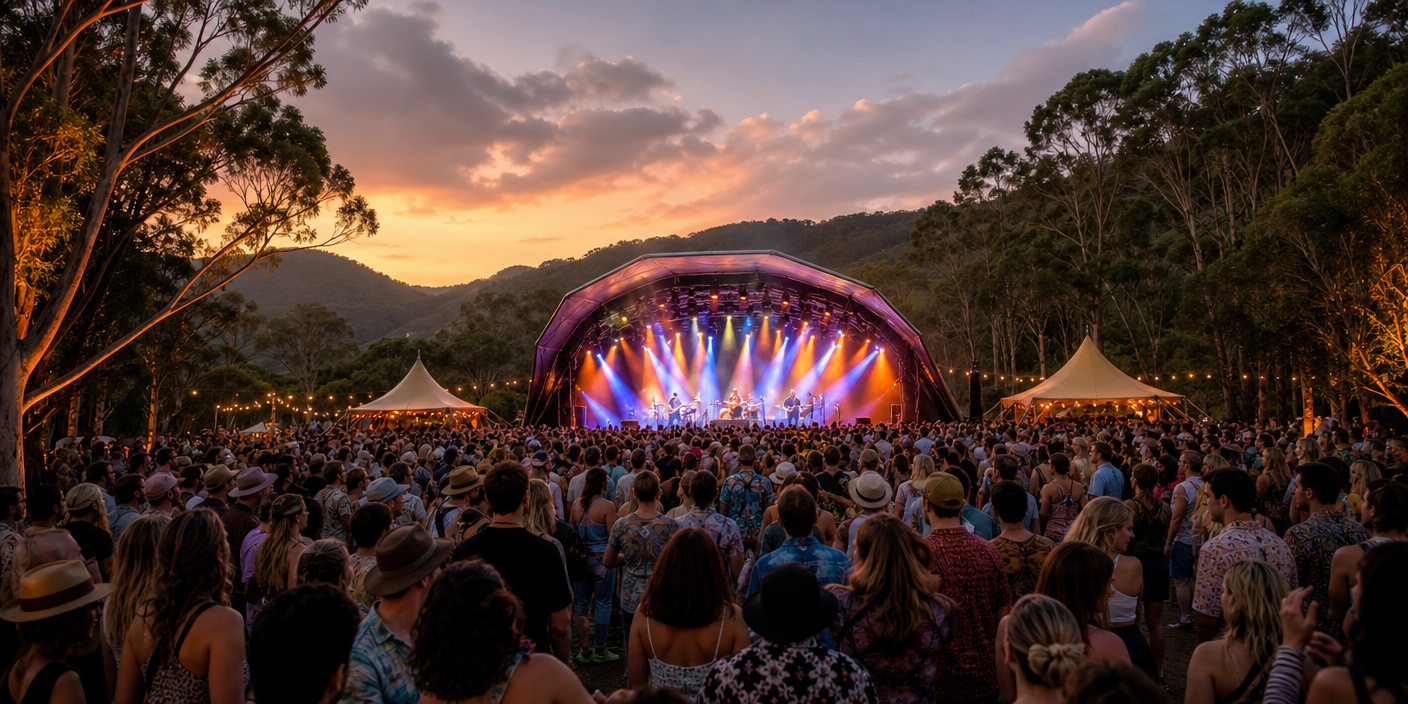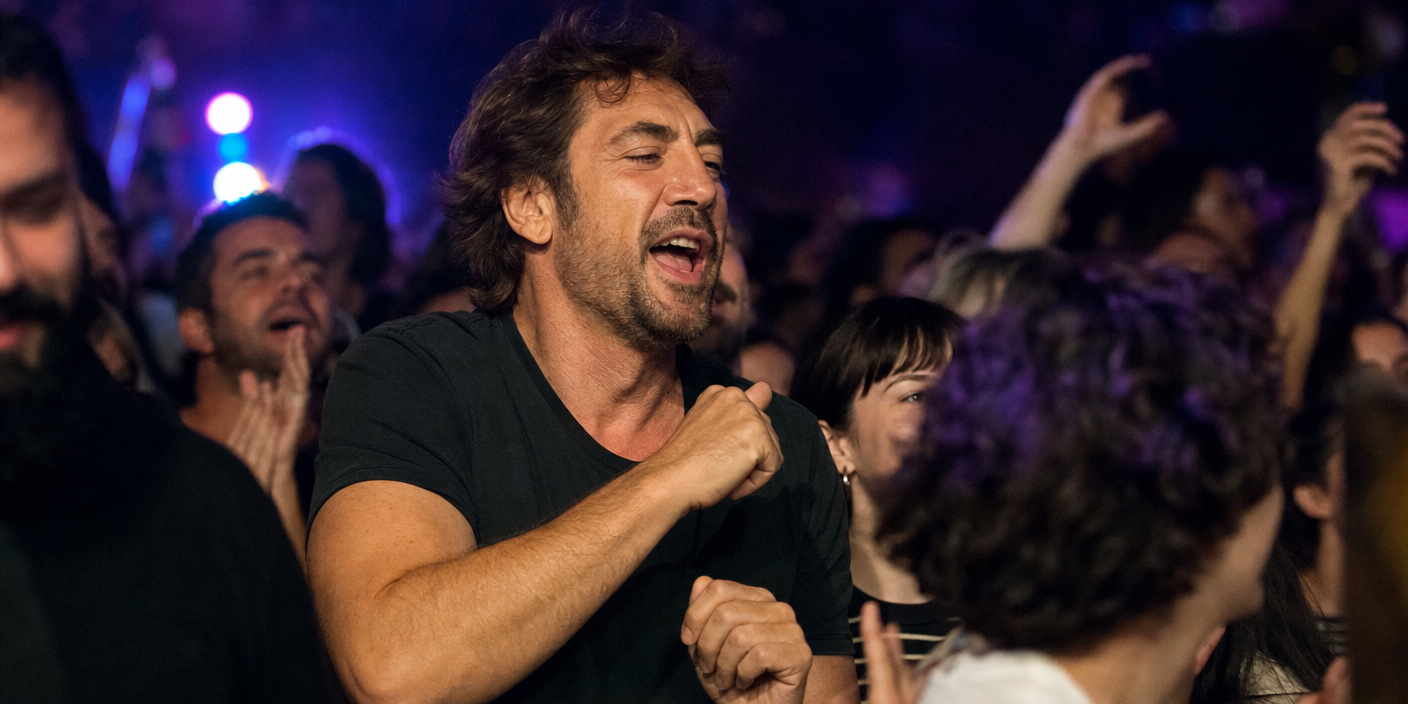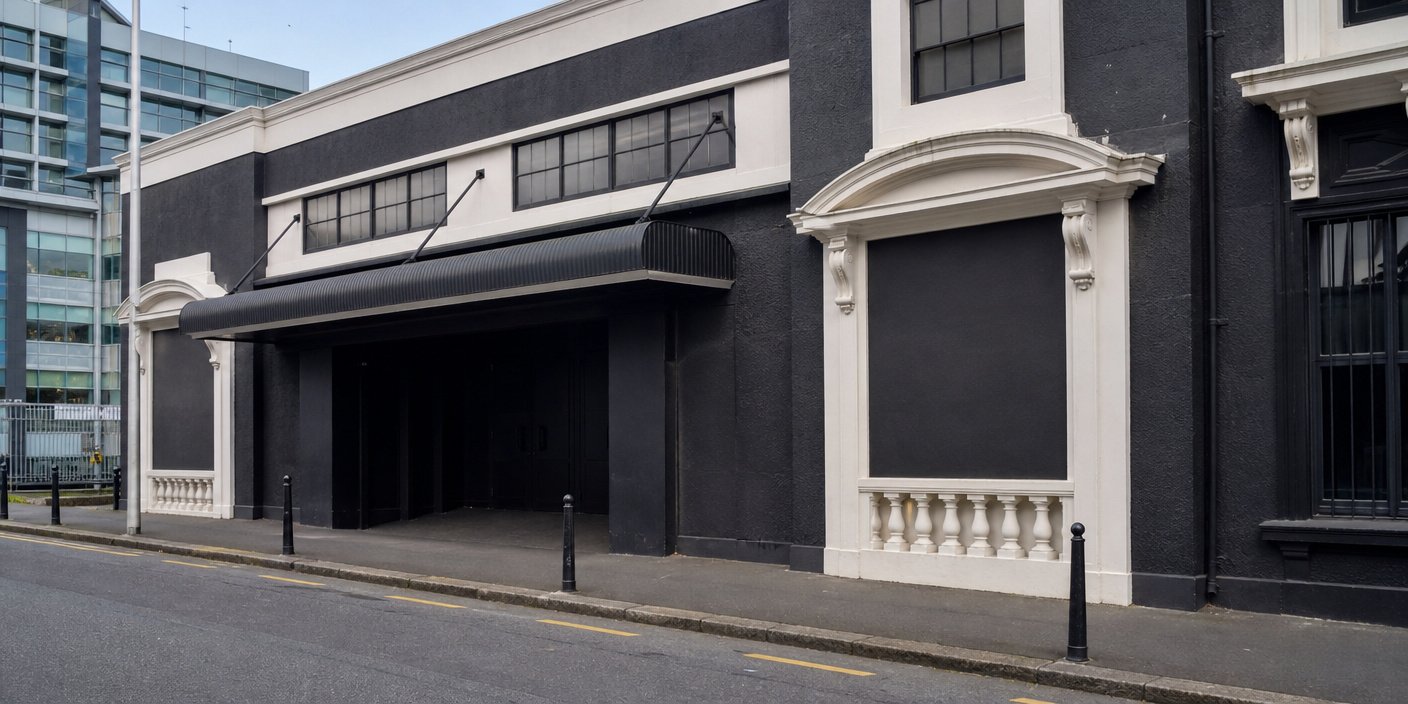
The high-octane energy of a Devilskin concert in Wellington, New Zealand, took an unexpected and harrowing turn when a routine mosh pit spiraled into what attendees are describing as a ‘barbaric’ public health incident. The show, held at the popular Wellington venue San Fran, was interrupted not by technical difficulties, but by a catastrophic bowel accident within the tightly packed crowd. What began as a standard display of fan enthusiasm quickly devolved into a scene of widespread illness, triggering a chain reaction that forced a premature end to the performance and left a lasting mark on the city’s live music scene.
The Bio-Incident: Unpacking the Mosh Pit Chaos
The incident, which occurred during the climax of the Devilskin set, centers on a singular, chaotic moment within the mosh pit. Witnesses report that a fan, clearly experiencing a severe gastrointestinal emergency, was unable to exit the dense crowd in time. The resulting ‘bowel accident’—as it has been euphemistically termed in subsequent reports—spread rapidly through the immediate vicinity of the pit due to the crush of bodies and the lack of ventilation. Because of the intense proximity typical of a metal concert, the spillover was instantaneous, creating a ‘biohazard zone’ that prompted attendees to scramble toward the perimeter of the venue.
While ‘mosh pit etiquette’ generally involves picking up those who fall, the nature of this biological disaster created an immediate, overwhelming sense of repulsion that overrode the typical camaraderie of the scene. Security staff, caught off guard by the severity of the situation, reportedly struggled to isolate the affected area, allowing the disruption to cascade outward. The consequence was not merely localized discomfort, but a wave of nausea and physical distress that affected a significant portion of the audience, leading many to evacuate the venue entirely.
Public Health and Venue Protocols
The fallout from the event raises serious questions regarding venue safety protocols and the management of high-density events in New Zealand. The San Fran venue, while a cornerstone of the Wellington music scene, faced immediate scrutiny over its cleaning and sanitation response. Following the incident, witnesses reported that the cleanup process was insufficient for the severity of the bio-contamination, leading to further secondary complaints from patrons who remained in the vicinity.
Public health experts have since weighed in, noting that large-scale indoor venues must have contingency plans for biological hazards that extend beyond standard janitorial services. The ‘chain reaction’ of illness described by attendees suggests that the venue’s ventilation system may have exacerbated the issue, circulating the airborne particulates from the incident more effectively than fresh air. This event serves as a grim case study for venue operators globally, highlighting that the risks associated with mosh pits are not limited to physical trauma, but also include public health vulnerabilities that can shut down operations in minutes.
The Digital Aftermath: Virality and Speculation
Within hours of the concert’s end, the incident had achieved widespread online virality. In the age of social media, the story—fueled by graphic descriptions and speculative accounts—spread like wildfire across platforms like Reddit, X (formerly Twitter), and local NZ community pages. This digital phenomenon, often referred to as the ‘Streisand Effect’ of gross-out stories, ensured that the event became a point of morbid fascination.
However, the virality has come at a cost. The band, Devilskin, has faced an undue amount of association with the incident, despite being entirely removed from the mechanics of the event. The online discourse has largely moved past the health implications and toward memeification, a common trajectory for such bizarre news stories. Yet, for those present, the memory remains less about the internet fodder and more about the chaotic, unhygienic, and frightening reality of being trapped in a space where safety protocols failed to account for a biological catastrophe.
Secondary Angles: Safety, Liability, and Culture
To understand the broader implications of this ‘barbaric’ concert disaster, we must look at three critical areas of concern:
1. The Evolution of Concert Safety Regulations: Historically, concert safety has focused on crowd density (crush risks), structural integrity of stages, and fire hazards. This incident exposes a ‘gap’ in safety manuals: biological containment. Venue insurance and liability policies are rarely equipped to handle a ‘biohazard evacuation,’ and this case may force a reevaluation of what constitutes a safe operating environment for high-density music venues.
2. Mosh Pit Etiquette in the 21st Century: For decades, the mosh pit has been a self-regulating ecosystem. This incident challenges the unspoken social contract of the pit. If the pit is no longer a safe space—not just from violence, but from contagion—does the culture of aggressive dancing need to be tempered? The psychological impact on attendees, who may now view the ‘pit’ with suspicion rather than excitement, could lead to a cultural shift in how fans interact at metal and punk shows.
3. The Economic Impact of Viral Infamy: For a venue like San Fran, the economic fallout is significant. Beyond the immediate refund costs and cleaning fees, the reputational damage can lead to a decline in attendance for future events. When a venue becomes the subject of a nationwide viral story regarding a biohazard, the barrier to entry for potential patrons increases. The challenge for the venue will be to rehabilitate its image through transparent communication regarding upgraded sanitation protocols, essentially proving that the ‘Devilskin disaster’ was a singular, isolated failing rather than a systemic issue.
FAQ: People Also Ask
Did the band Devilskin comment on the incident?
No, the band members have largely remained silent regarding the specifics of the incident, likely to avoid drawing further negative attention to a situation for which they bore no responsibility.
Was the San Fran venue held liable for the health impacts?
While there have been widespread reports of illness, there has been no formal, high-profile legal action reported against the venue to date. However, industry insiders suggest that such a public relations disaster often leads to private settlements to avoid prolonged litigation.
Is it common for concert venues to have biohazard plans?
Most major stadiums and large-capacity arenas have comprehensive biohazard and sanitation plans. However, smaller, independent venues—like the one in Wellington—often operate with limited resources, making the handling of an incident of this magnitude particularly challenging and, as seen here, prone to failure.