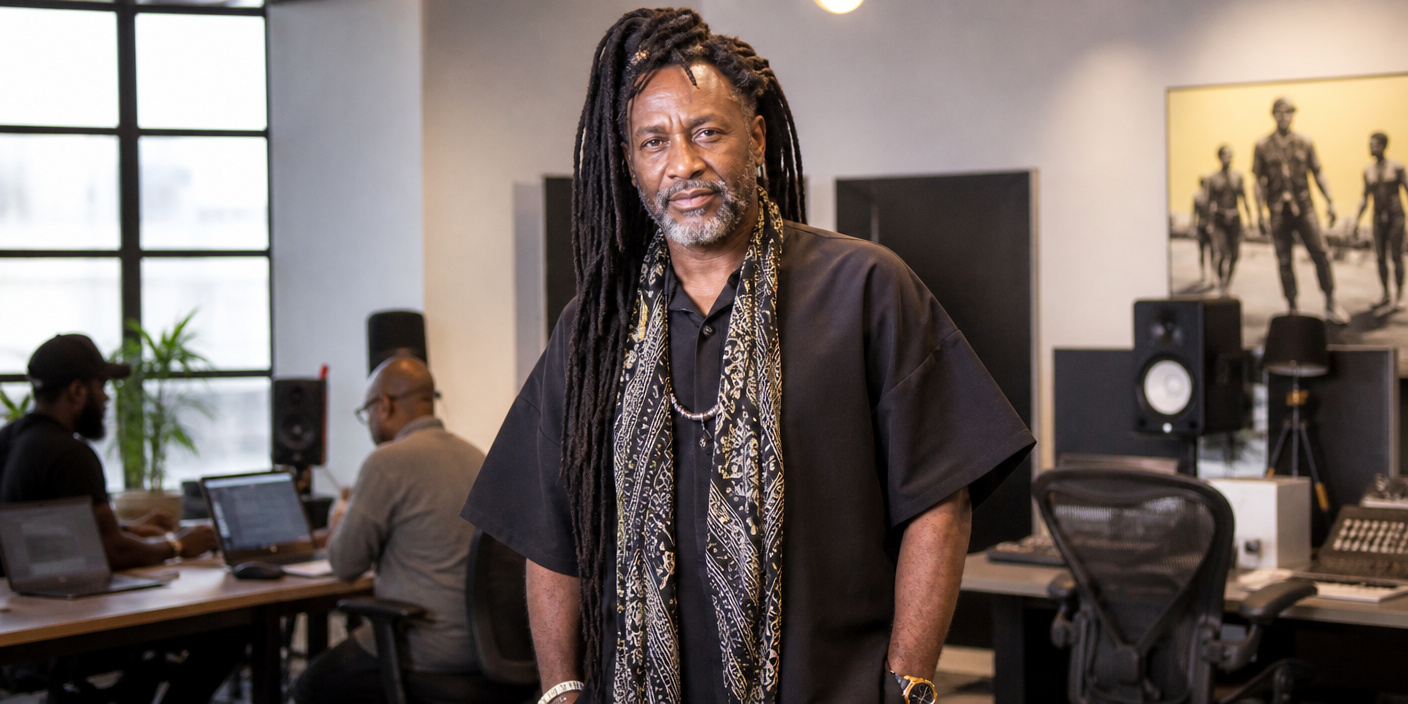
In the fast-paced, digital-first world of contemporary entertainment, the role of the industry ‘connector’ has never been more vital. Derrick “Dee Nyce” Jones, a seasoned Boston-native and veteran entertainment executive, is currently emerging as a pivotal architect of this new era. With a career spanning two decades—originating from his roots as a performing musician—Jones has pivoted his focus to the executive suite, leveraging deep industry relationships to redefine how regional talent is nurtured and mobilized. His latest endeavor, the ‘From Beantown to Atlanta’ cultural reunion event slated for September 2026, represents the culmination of this twenty-year trajectory, signaling a strategic shift in how Boston’s creative class interacts with the dominant industry hubs of the American South.
Key Highlights
- Two Decades of Expertise: Derrick ‘Dee Nyce’ Jones has transitioned from a performing musician to a high-level entertainment executive over a 20-year career.
- The 2026 Vision: Preparations are underway for the ‘From Beantown to Atlanta’ cultural reunion, scheduled for September 2026.
- Strategic Cultural Diplomacy: Jones is positioning Boston as a collaborative partner to the Atlanta entertainment machine, aiming to unlock new distribution and creative channels.
- Industry Evolution: The article analyzes the shift from traditional gatekeeping to the modern model of executive-led cultural networking.
The Architect of the Boston-Atlanta Corridor
For over twenty years, the American music and entertainment industry has witnessed seismic shifts, moving from the monolithic control of legacy labels to the decentralized, streaming-heavy landscape we navigate today. Derrick “Dee Nyce” Jones has occupied a unique vantage point throughout this evolution. Emerging from the Boston scene, Jones possesses an intimate understanding of the ‘hustle’ required to break through in a market often overshadowed by the major commercial centers of New York, Los Angeles, and Atlanta. By transitioning from the stage to the boardroom, Jones has effectively applied his practical, boots-on-the-ground experience to the complexities of talent management, brand development, and strategic event curation.
The upcoming ‘From Beantown to Atlanta’ event, scheduled for September 2026, is not merely a concert or a networking mixer; it is a calculated effort to institutionalize a pipeline. For decades, Boston has produced significant underground talent, but it has often lacked the infrastructure to scale those artists into the national spotlight. By contrast, Atlanta has become the definitive epicenter of modern urban culture. Jones’s strategy is clear: he is building a bridge. By connecting the robust, disciplined, and historic creative energy of Boston with the expansive, hit-making engine of Atlanta, Jones is creating a logistical and artistic corridor that could fundamentally alter the economic trajectory of artists moving between these two distinct environments.
Transitioning from Performer to Executive
The pivot from musician to executive is a path fraught with challenges, primarily the need to shed the ‘performer’ identity in favor of the ‘architect’ persona. Jones has successfully navigated this by focusing on the ‘business of the art.’ In an industry that often celebrates the ephemeral success of a single track, Jones has focused on the sustainability of a career. His approach involves deep-dive analysis into rights management, independent distribution strategies, and the psychology of audience engagement. This intellectual approach to the industry has earned him a reputation as a ‘man to watch,’ as he balances the grit of a performer with the clinical, high-stakes decision-making required of an executive.
The ‘Beantown to Atlanta’ Economic Thesis
The cultural reunion planned for 2026 serves as an economic thesis. Cultural exchange in the entertainment industry is rarely altruistic; it is highly transactional. By facilitating this event, Jones is effectively creating a marketplace. Boston provides a unique, under-tapped aesthetic and demographic, while Atlanta provides the infrastructure, production facilities, and ‘industry standard’ validation. Jones aims to ensure that Boston-based artists and entrepreneurs are not just visitors in the Atlanta scene, but integrated, essential contributors. This is a move to raise the collective equity of the Boston entertainment scene by plugging it directly into the most active power grid in the country.
Networking as Infrastructure
In the era of social media, ‘networking’ is often confused with surface-level interaction. Jones’s career trajectory suggests he views networking as infrastructure building. He does not simply collect contacts; he designs relationships. This is evident in the lead-up to his 2026 event. He is not treating the September dates as an isolated occasion but as the climax of an ongoing, multi-year project involving stakeholders from both regions. This long-term planning is a testament to the maturation of his professional philosophy. He understands that in the entertainment business, legitimacy is a currency that must be earned through consistent, high-value delivery over many years.
FAQ: People Also Ask
Who is Derrick “Dee Nyce” Jones?
Derrick “Dee Nyce” Jones is a Boston-native entertainment executive and former musician with a twenty-year career. He is recognized for his transition from performing artist to industry strategist, focusing on bridging regional talent hubs.
What is the ‘From Beantown to Atlanta’ event?
The ‘From Beantown to Atlanta’ event is a large-scale cultural reunion scheduled for September 2026. It serves as a platform to facilitate business, networking, and creative collaboration between Boston’s entertainment scene and Atlanta’s industry hub.
Why is Jones focused on the Boston-Atlanta connection?
Jones views the connection as a strategic opportunity to create a sustainable pipeline for independent talent. He intends to leverage Atlanta’s established entertainment infrastructure to amplify Boston’s unique artistic output, effectively creating a mutually beneficial corridor for growth.
Is this just an event, or a long-term business strategy?
It is a long-term strategy. Jones is utilizing the 2026 reunion as a focal point to build, maintain, and activate a network of stakeholders, aiming to institutionalize the professional relationship between the two cities’ creative sectors.