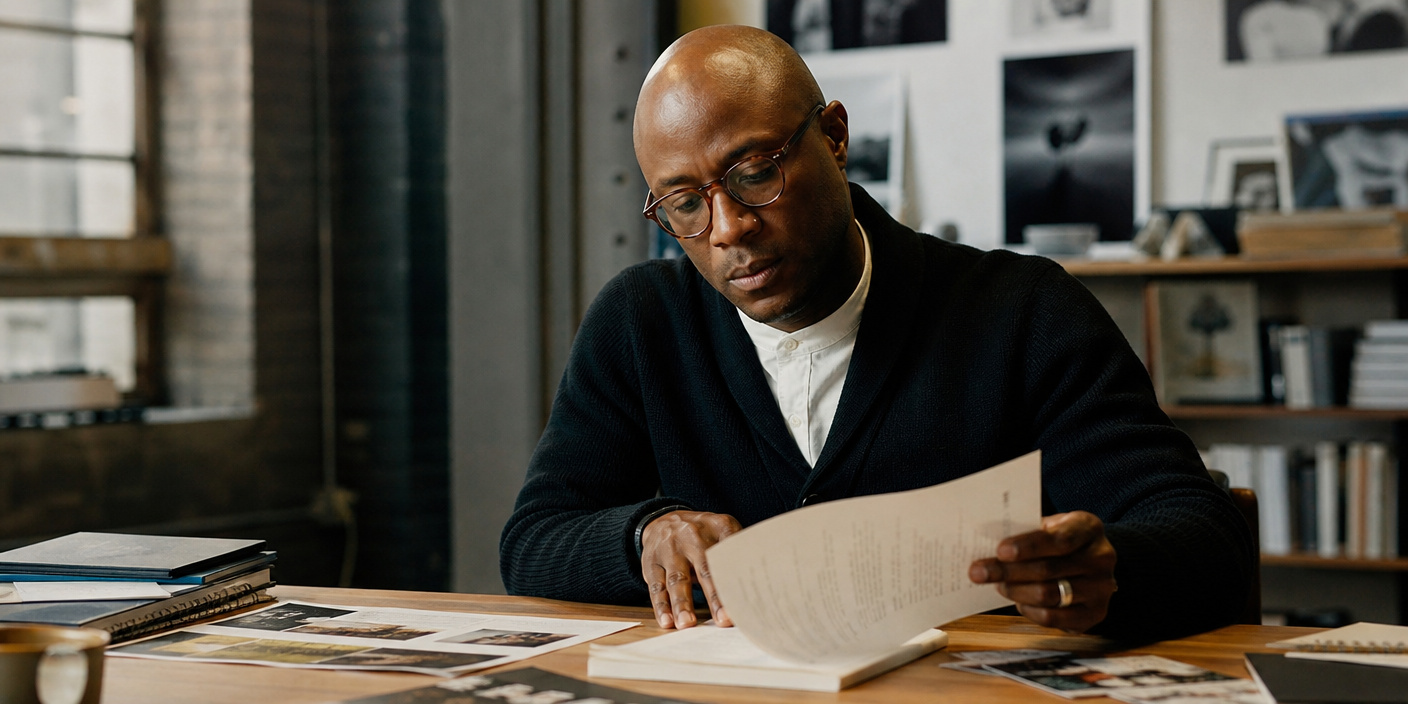
Barry Jenkins, the Academy Award-winning filmmaker known for his deeply empathetic, visually arresting storytelling in Moonlight and If Beale Street Could Talk, has confirmed his roadmap for two highly anticipated biopics that are poised to define the next chapter of his career. The director is set to tackle the complex life stories of music legend Ronnie Spector and modern dance pioneer Alvin Ailey. By focusing on these two titans of culture, Jenkins is not merely creating standard biopics; he is positioning himself to explore the intersection of American artistic struggle and transcendent performance art. The projects, which have been in development orbits for some time, now signal a unified focus for Jenkins, who has recently balanced massive studio tentpoles like Mufasa: The Lion King with more intimate, auteur-driven narratives.
The Sonic Rebellion of Ronnie Spector
The adaptation of Ronnie Spector’s life, titled Be My Baby, is perhaps one of the most anticipated projects in the music-biopic subgenre. Based on Spector’s 1990 autobiography of the same name, the film chronicles the meteoric rise of the lead singer of The Ronettes and her harrowing journey to escape the psychological and physical confines of her marriage to Phil Spector. The project holds immense weight due to the attachment of Zendaya, whose involvement brings both massive commercial appeal and a profound sense of casting accuracy.
Jenkins’ interest in this project is not accidental. The narrative of the 1960s pop scene, dominated by the “Wall of Sound” production techniques of Phil Spector, provides a ripe backdrop for Jenkins’ visual sensibilities. Jenkins is expected to interrogate the tension between the pristine, lush sonic landscapes of the era and the fractured reality Ronnie Spector lived behind the scenes. This film is positioned to be a psychological study of voice—both musical and personal—charting how a woman who helped define the sound of a generation fought to reclaim her identity from a man who sought to erase it. The cultural entity of The Ronettes, while iconic, has often been overshadowed by the eccentricities of the producers around them; Jenkins’ focus promises to re-center the narrative on the artist herself.
The Kinetic Architecture of Alvin Ailey
While Be My Baby delves into the mechanics of pop fame, the Alvin Ailey biopic represents a different, albeit equally demanding, challenge: the translation of movement into narrative cinema. Alvin Ailey, the legendary choreographer who founded the Alvin Ailey American Dance Theater, fundamentally changed the landscape of modern dance by centering the Black experience in concert dance. For Jenkins, the challenge lies in capturing the ephemeral nature of dance while exploring the complexities of Ailey’s personal life, including his struggles with identity and mental health during the mid-20th century.
This project, which has been in development with Searchlight Pictures, seeks to portray Ailey not just as an artistic visionary, but as a man constantly navigating the socio-political pressures of the Civil Rights era. Jenkins has a history of filming bodies in motion—recall the gentle, deliberate choreography of the intimate scenes in If Beale Street Could Talk—and the Ailey project serves as a logical extension of his stylistic obsession with the human form. By securing the rights and the backing to tell the Ailey story, Jenkins is moving into the realm of the historical epic, likely utilizing his signature use of saturated color, tight focus, and non-linear storytelling to evoke the emotional truth of Ailey’s choreography rather than merely recording it.
Auteurism in the Era of the Biopic
Critics and industry analysts have noted a shift in the “biopic fatigue” currently plaguing Hollywood. As audiences grow weary of paint-by-numbers musical dramas, directors like Barry Jenkins are being looked to as the saviors of the genre. His approach is distinctly anti-formulaic. Unlike standard biopics that function as “greatest hits” montages, Jenkins’ work functions as a series of emotional vignettes.
This approach is crucial for these specific subjects. Ronnie Spector’s life is defined by trauma and resilience; Alvin Ailey’s life is defined by innovation and legacy. Neither subject can be effectively captured through a linear cradle-to-grave narrative. Jenkins’ tendency to rely on close-ups, natural lighting, and long, meditative takes suggests that these films will be less about the historical milestones and more about the interior lives of the subjects. The economic implication here is also significant: high-budget A24 or Searchlight productions led by an auteur like Jenkins offer a premium alternative to traditional studio product, blending the prestige of Oscar-caliber drama with the inherent appeal of recognized pop-cultural icons.
Looking Ahead: The Jenkins Canon
As Jenkins transitions from his recent work in franchise filmmaking back into these character-focused biopics, the industry is closely watching to see how his visual language evolves. His collaborators, from his longtime cinematographer James Laxton to his dedicated editing team, are expected to bring a heightened level of precision to these films. Both Be My Baby and the Alvin Ailey biopic represent the maturity of a director who is increasingly interested in the architecture of legacy. By choosing these two subjects, Jenkins is effectively securing his place as a curator of Black musical and movement history, ensuring that the stories of artists like Spector and Ailey are preserved not as footnotes, but as central chapters in the American cultural canon. The success of these projects will likely hinge on his ability to maintain his signature intimacy while operating within the heightened expectations of high-profile studio production.
FAQ: People Also Ask
Is Zendaya definitely starring in the Ronnie Spector biopic?
Yes, Zendaya has been attached to the project, Be My Baby, for several years. She has expressed a personal commitment to portraying Ronnie Spector, and Barry Jenkins has confirmed this project remains a priority in his development slate.
What is the status of the Alvin Ailey biopic?
The Alvin Ailey biopic is currently in active development with Searchlight Pictures. While production timelines in Hollywood are fluid, Jenkins has confirmed the project is moving forward, with a focus on capturing the artistic and personal legacy of the legendary choreographer.
Why did Barry Jenkins choose these two specific figures?
Jenkins is drawn to subjects that allow him to explore the intersection of personal identity and public art. Both Ronnie Spector and Alvin Ailey were revolutionary in their respective fields (1960s pop and modern dance), and both faced significant systemic and personal challenges that provide deep emotional ground for Jenkins’ unique, character-focused directorial style.
Will these films be musicals in the traditional sense?
While both subjects are deeply rooted in music and dance, Jenkins is known for his grounded, realist style. Expect the films to treat music and dance as narrative devices that advance the story and reflect the internal states of the characters, rather than traditional “jukebox musical” formats.