RenderATL 2026 has officially positioned itself as the definitive nexus for the intersection of technology and culture, gathering the industry’s most prominent engineers and creative visionaries to navigate the seismic shift caused by artificial intelligence. As AI reshapes every industry from entertainment to enterprise software, this year’s conference acts as a critical gathering point for the ‘builders’ responsible for architecting the next era of digital infrastructure.
Key Highlights
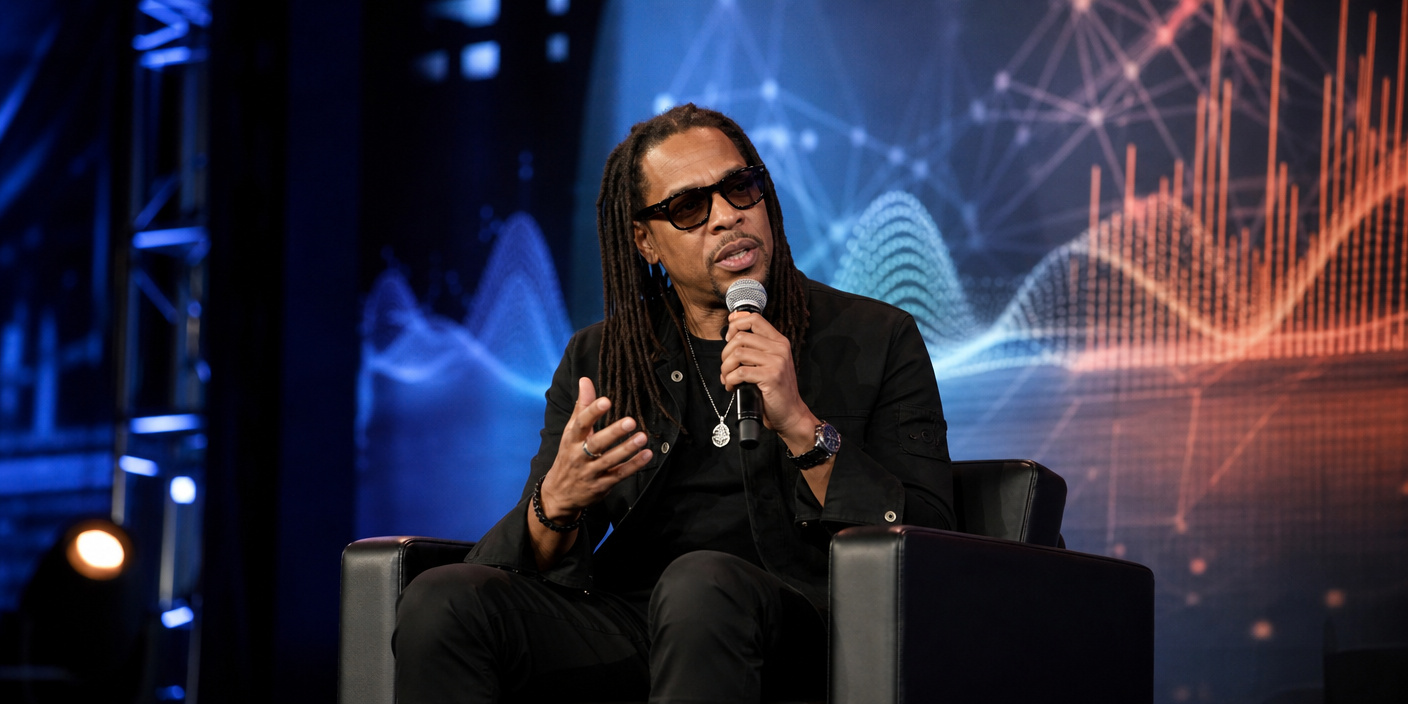
- Grammy-winning music producer and entrepreneur Dallas Austin leads the conversation on the synthesis of creative artistry and machine intelligence.
- Focus on the integration of generative AI within professional workflows, emphasizing the shift from tool-based usage to collaborative, co-creation frameworks.
- Examination of the Atlanta tech ecosystem as a rapidly growing hub for AI innovation, moving beyond traditional Silicon Valley constraints.
- Practical technical workshops centered on the ethical deployment of AI and the future of software scalability in an AI-first economy.
The Convergence of Sound and Code
The narrative of RenderATL 2026 is dominated by a single, undeniable truth: the barrier between the ‘creative’ and the ‘technical’ has not just been lowered—it has been obliterated. The presence of Dallas Austin, a titan in the music industry, is not merely a guest appearance; it is a profound statement on the current state of technology. For years, the music industry has acted as the canary in the coal mine for digital disruption. Austin’s participation underscores a fundamental transition where creative intuition is being amplified, and at times replicated, by sophisticated AI models.
Dallas Austin: Bridging the Divide
Dallas Austin represents a unique archetype in the modern landscape: the creative entrepreneur who understands that code is now a fundamental instrument. At RenderATL 2026, he bridges the gap for software engineers, helping them understand that AI is not just about efficient data processing; it is about building the infrastructure that allows human creativity to scale. Austin’s career, defined by Grammy-winning hits and business ventures, provides the necessary context for developers: tech is useless without cultural context. The sessions involving Austin are expected to deconstruct how generative audio and predictive algorithmic models can handle the heavy lifting of production, allowing artists to focus on the ‘soul’ of the composition. This represents a pivot from software as a passive tool to software as an active, generative collaborator.
AI’s Role in Modern Production
Beyond the entertainment sector, the conference explores the systemic impact of AI on the broader enterprise. The ‘Builders Behind What’s Next’ are focusing on the shift from LLM-based chatbots to agentic workflows. Engineers are moving away from treating AI as a productivity plugin and toward treating it as a foundational layer in software architecture. This evolution requires a new class of developer—one who understands systems architecture as deeply as they understand model fine-tuning. The workshops at RenderATL 2026 serve as a masterclass in this, moving beyond theoretical ethics into the concrete engineering challenges of latency, cost-efficiency, and the human-in-the-loop requirement that remains essential for high-fidelity creative output.
The New Economic Landscape
AI is not just changing how we build; it is changing what is worth building. The economic implications are vast. As companies race to integrate AI, the market is demanding a transition from ‘proof of concept’ to ‘hardened utility.’ This section of the conference explores the economic impact of AI on the labor market, particularly for software engineers and creatives. The consensus among the keynotes at RenderATL 2026 is that the value of human talent is not being replaced, but rather redirected toward high-level strategy, ethics, and systemic design.
Why Atlanta is the Strategic Epicenter
RenderATL’s commitment to Atlanta is a strategic calculation. As the global spotlight on tech hubs shifts, Atlanta has emerged as a distinct, culturally rich alternative to the traditional West Coast ecosystems. The city offers a unique blend of high-growth tech talent and an established entertainment industry, creating a fertile environment for cross-pollination. The conference organizers are leaning into this, positioning Atlanta not just as a location, but as a catalyst for a more diverse, more integrated approach to tech innovation. This localized concentration of talent is allowing for faster iteration cycles and a unique aesthetic approach to AI product development that is distinct from the clinical, purely functional approach of Silicon Valley.
Democratizing Creative Power
Perhaps the most compelling angle explored at the conference is the democratization of creative power. With the tooling now available to the individual builder, the barrier to entry for creating high-end creative assets has plummeted. AI is effectively acting as an equalizer. RenderATL 2026 showcases how this shift impacts everything from small-scale software startups to massive, global media organizations. By empowering the individual builder with the capabilities of a major production house, we are seeing the rise of a new class of creator-entrepreneur—one who can code, produce, and deploy with minimal overhead.
Scaling Sustainable Tech
Finally, the technical track of the conference addresses the sustainability of AI infrastructure. It is one thing to prototype; it is another to scale. Builders are learning the hard lessons of GPU economics, the environmental cost of inference, and the technical debt inherent in rushed AI deployments. RenderATL 2026 provides the platform for the engineers to share the ‘battle scars’ of the last eighteen months, fostering a community that is prioritizing long-term stability over short-term hype.
FAQ: People Also Ask
What is the core focus of RenderATL 2026?
The core focus is the intersection of technology and culture, specifically examining how AI is reshaping industry-standard workflows, software engineering practices, and the role of the creative professional in an automated landscape.
Why is Dallas Austin featured at a tech conference?
Dallas Austin represents the fusion of creative intuition and business acumen. His involvement highlights the critical nature of blending technical AI developments with human-centric, creative outputs, serving as a bridge between the software industry and the entertainment sector.
Who are the ‘Builders’ referred to in the conference theme?
The ‘Builders’ are software engineers, AI researchers, creative technologists, and entrepreneurs who are moving past the hype phase of AI to develop functional, scalable, and ethically-sound applications that influence global industries.
Is RenderATL 2026 aimed only at software engineers?
No. While the technical backbone is essential, the conference is designed for a diverse audience of creative professionals, founders, product managers, and cultural strategists who recognize that AI requires a multidisciplinary approach to succeed.