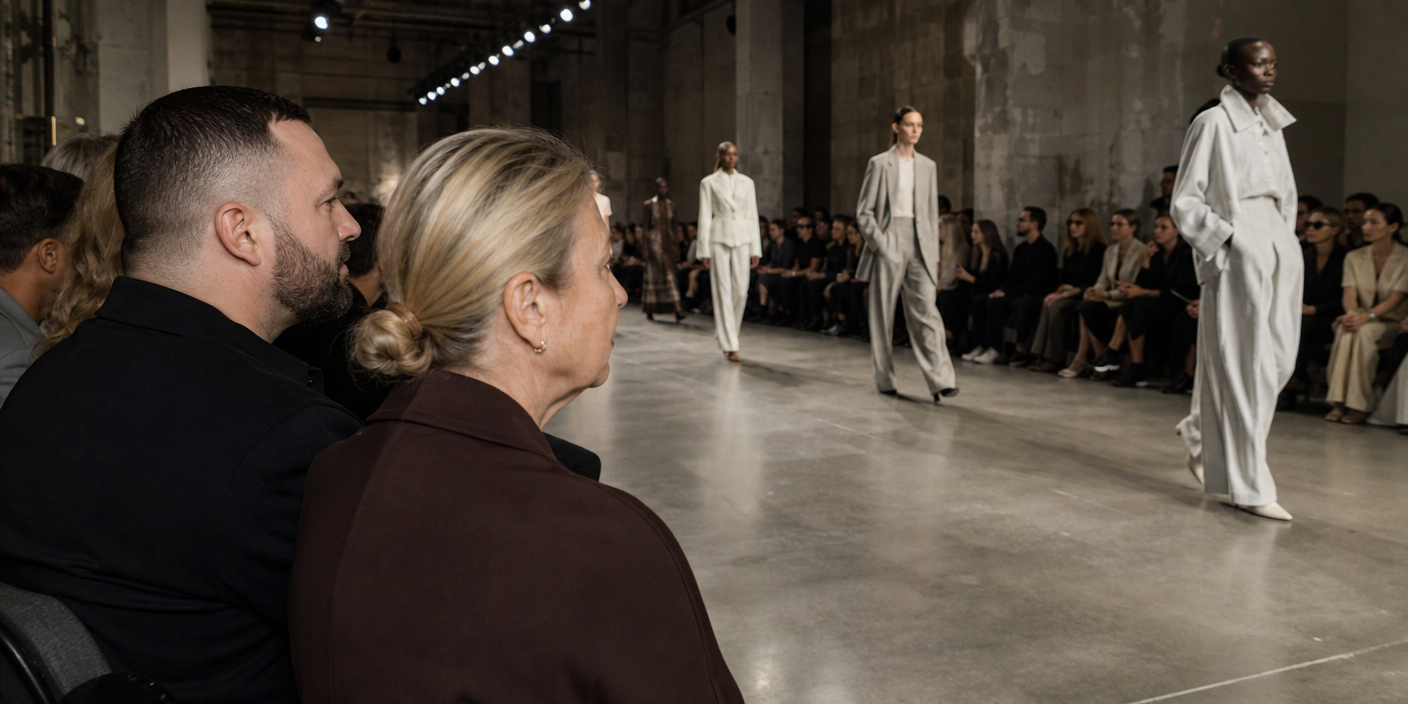
The atmosphere at the opening of Milan Fashion Week Spring/Summer 2027 was electric, yet disciplined, as Fendi unveiled a highly anticipated collection that signaled a dramatic pivot for the iconic Italian house. As the first major showcase of the official calendar, organized by the Camera Nazionale della Moda Italiana, Fendi’s debut established an immediate thematic anchor for the coming season: a refined, uncompromising commitment to minimalist principles. Creative Director Kim Jones, working in tandem with the artistic guidance of Silvia Venturini Fendi, transformed the runway into a study of light, texture, and structural purity, marking a departure from the maximalist trends that dominated previous cycles.
Key Highlights
- The Opening Statement: Fendi officially launched Milan Fashion Week SS27, establishing ‘The Minimalist Debut’ as the defining trend for the season.
- Design Philosophy: The collection emphasizes structural integrity, utilizing monochromatic palettes, and a return to essential garment architecture.
- Creative Leadership: Kim Jones and Silvia Venturini Fendi have pivoted the brand toward a concept of ‘functional luxury,’ prioritizing wearable silhouettes over ornamental detail.
- Industry Context: The shift aligns with a broader market movement toward Quiet Luxury, positioning the collection as a reaction to economic pressures on fast-moving, trend-reliant production cycles.
The New Era of Architectural Minimalism in Milan
The decision to place Fendi at the forefront of the Milan Fashion Week Spring/Summer 2027 calendar was a strategic move that set the tone for the entire week. In an industry often characterized by seasonal volatility, the house delivered a masterclass in controlled, deliberate design. The runway show, held at a converted industrial space in the heart of Milan, eschewed the chaotic setups of years past in favor of a singular, stark lighting design that highlighted the precision of the tailoring.
The Shift from Maximalism to Essentialism
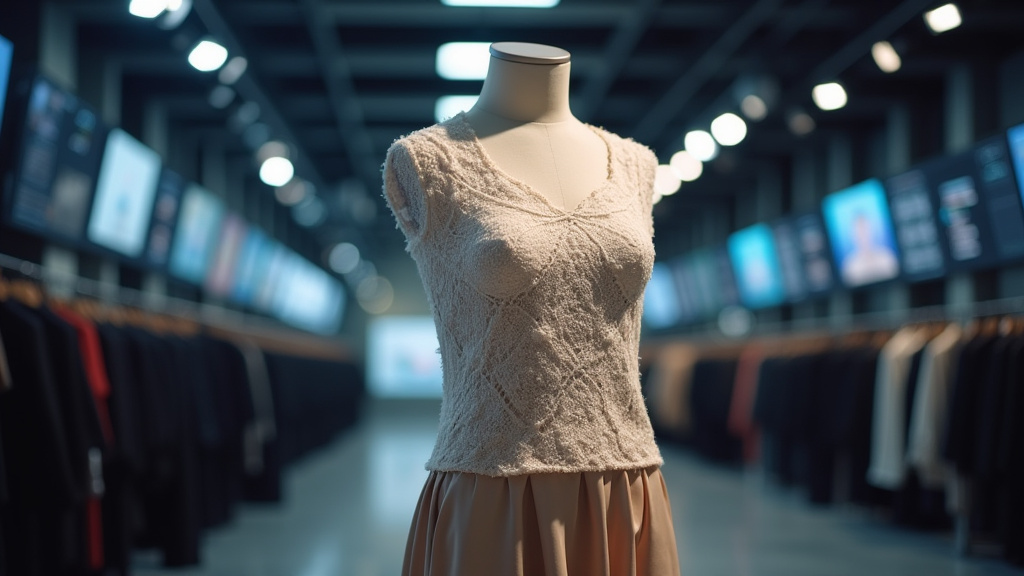
For the past several cycles, global fashion has been locked in a race to capture the attention of digital-first consumers through hyper-branded, maximalist pieces. However, Fendi’s SS27 collection suggests a corrective tide. The garments presented were characterized by their absence of logos and overt embellishment. Instead, the focus remained on the raw materials—double-faced cashmere, crisp silk organza, and ultra-lightweight, bonded leathers that felt more like architecture than apparel. This shift is not merely aesthetic; it is a profound commentary on the lifecycle of luxury goods. By stripping back the design to its essence, Fendi is advocating for a return to durability and timelessness, appealing to a consumer base that is increasingly demanding value through longevity rather than ephemeral trendiness.
Kim Jones and the Artistic Reinterpretation
At the center of this movement is Kim Jones, whose tenure has been marked by his ability to bridge the gap between Fendi’s deep Roman heritage and contemporary global street culture. In this collection, Jones seems to have matured his approach, moving away from past collaborations and toward a more introspective design philosophy. Interviews following the show revealed that the creative team drew significant inspiration from the Brutalist architectural elements of mid-century Italian design. The clothing follows the lines of the body rather than imposing a shape upon it, utilizing innovative construction techniques that allow for fluid movement within a rigid aesthetic framework. This is a technical triumph that highlights the capability of the Fendi atelier to execute complex patterns that appear deceptively simple to the casual observer.
The Economic Implications of Quiet Luxury
The economic context of 2027 cannot be ignored when analyzing this collection. As inflationary pressures and supply chain challenges persist in the luxury sector, brands are finding that consumers are tightening their wallets, opting for ‘Quiet Luxury’ pieces that can transcend specific seasons. Fendi’s pivot is a masterstroke of market positioning. By presenting a wardrobe that is inherently modular and seasonless, the brand is positioning itself as a secure investment. This collection does not try to reinvent the wheel; it seeks to perfect the mechanics of the luxury garment. Investors and retail buyers in attendance noted that the lack of ‘loud’ fashion elements—typically the first to be discounted—makes these pieces significantly more viable for long-term inventory holding, a crucial metric for the fiscal health of major fashion houses in the current climate.
Milan’s Role as the Global Anchor
The selection of Milan as the platform for this shift underscores the city’s enduring role as the heart of technical manufacturing. While Paris often captures the avant-garde and London the rebellious, Milan remains the home of the ‘Made in Italy’ standard. By opening the week with such a high-stakes minimalist statement, the Camera Nazionale della Moda Italiana has effectively sent a message to the rest of the world: Milan is the leader in the refinement and manufacturing excellence of the modern, essential wardrobe. As the week progresses, other houses will inevitably face pressure to define their own position in relation to Fendi’s benchmark. This creates a cohesive narrative for the SS27 season that is rare in the fragmented landscape of modern fashion weeks.
FAQ: People Also Ask
1. Why was Fendi’s show considered the ‘opening’ of Milan Fashion Week SS27?
Fendi was selected by the Camera Nazionale della Moda Italiana to anchor the first day of the schedule, a prestigious slot reserved for brands that set the industry’s pace and thematic direction for the upcoming season.
2. What defines the ‘minimalist’ trend seen at Fendi this season?
It is defined by a lack of overt logos, a focus on structural integrity and garment construction, the use of high-quality, muted textiles, and a design philosophy that prioritizes longevity and functionality over rapid trend cycles.
3. How is this collection different from previous Fendi seasons?
Previous seasons often featured more experimental materials and heavy branding. This collection marks a deliberate pivot toward ‘Quiet Luxury,’ emphasizing tailored, classic silhouettes that rely on the quality of craftsmanship rather than embellishment.
4. Will this minimalism influence other designers at Milan Fashion Week?
Typically, when a powerhouse like Fendi sets a clear thematic tone at the beginning of the week, it influences the broader industry, forcing other designers to react to the ‘baseline’ established by the season’s opener.