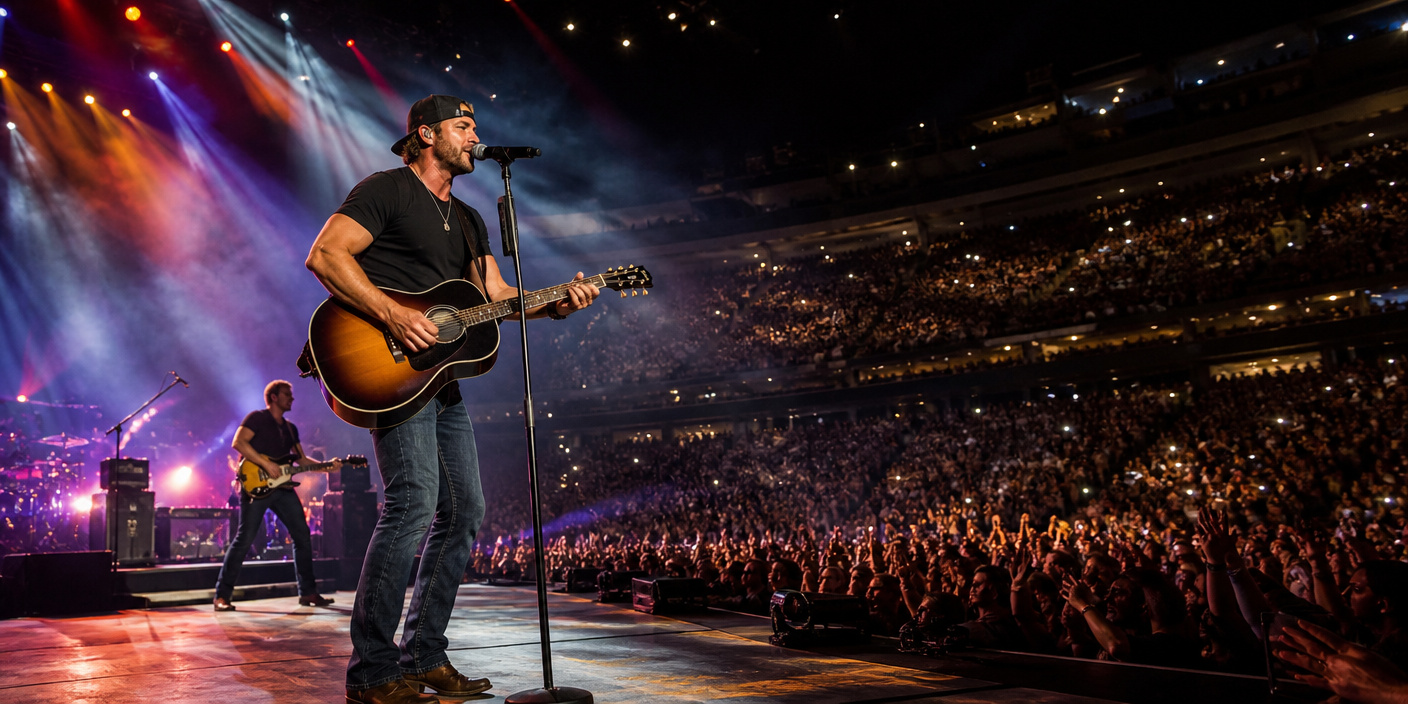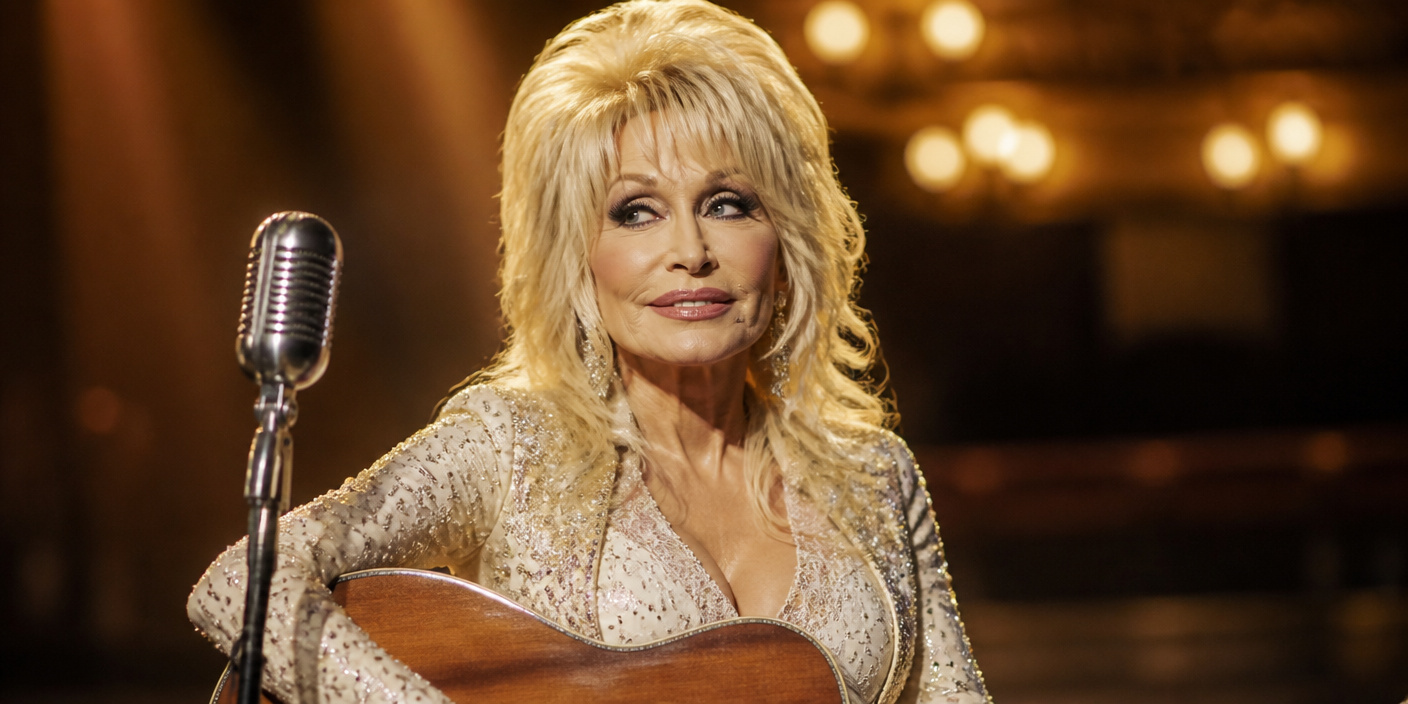
In the heart of Nashville, a musical and cultural shift is taking place, with artist Andrea Vasquez at the forefront of a movement that is redefining the boundaries of country music. As recently highlighted in an exclusive spotlight by The Country Note, Vasquez has emerged as a pivotal figure, not only for her distinct bilingual songwriting style that seamlessly blends country sensibilities with Latin rhythms but also for her leadership within the Country Latin Association (CLA). Her rise reflects a broader, necessary evolution in Music City, where artists are increasingly vocal about the need for representation that mirrors the modern American demographic.
Key Highlights
- Bilingual Authenticity: Vasquez is spearheading the integration of Spanish and English in mainstream country, moving beyond genre fusions into authentic cultural storytelling.
- Advocacy and Leadership: As a key figure in the Country Latin Association, she provides institutional support and mentorship for emerging Latin artists in Nashville.
- Cultural Expansion: Her career trajectory highlights the growing commercial and cultural importance of the Hispanic consumer base in the country music industry.
- Nashville Integration: Vasquez has successfully navigated the traditional Nashville career path while maintaining her unique identity, proving that genre-defying music has a place in the Music City ecosystem.
The New Nashville: Redefining the Country Sound
Andrea Vasquez is not merely a musician; she is an architect of a new sonic landscape. For decades, the “Nashville sound” was synonymous with a specific, often homogenous cultural narrative. Vasquez, however, is expanding that narrative by leveraging her own lived experience as a bilingual artist. Her songwriting is characterized by a deliberate fusion of traditional country instrumentation—pedal steel guitars, fiddle, and acoustic storytelling—with Latin musical structures and linguistic expressions.
This is not “crossover” music in the commercial sense of the 1990s; it is a deeper, more intentional exploration of identity. By incorporating Spanish lyrics into the standard country framework, Vasquez is signaling that “country” is not defined by heritage, but by the themes of life, love, hardship, and triumph that are universal. Her ability to navigate these two worlds effectively is what has caught the attention of industry insiders and sparked the recent spotlight from outlets like The Country Note.
Leadership within the Country Latin Association
Perhaps the most impactful aspect of Vasquez’s career is her work with the Country Latin Association. Advocacy in Nashville can be an uphill battle, but the CLA has provided a structural platform that was previously missing. Under her influence and that of her peers, the organization has pivoted from being a simple networking group to a vital advocacy hub.
Vasquez’s role involves navigating the complex “gatekeeper” systems of Nashville’s labels and publishers. By providing a collective voice, the CLA ensures that Latin artists are not relegated to the sidelines or tokenized. Instead, they are being positioned as integral contributors to the next generation of American country music. The Association focuses on three key pillars: education regarding the business of songwriting, creating safe spaces for collaboration, and advocating for more diverse representation at festivals and major label signings.
The Secondary Angles: Beyond the Music
While Vasquez’s talent is the primary catalyst, three secondary angles reveal the profound shift she represents for the music industry at large:
1. The Demographic Imperative: The Hispanic population is one of the fastest-growing demographics in the United States. Marketing experts in Nashville are beginning to realize that the “country fan” is no longer a static demographic. Vasquez represents a massive, untapped commercial opportunity, proving that country music can resonate deeply with Spanish-speaking communities, thereby expanding the genre’s overall reach.
2. The Technological Equalizer: Historically, if an artist didn’t fit the Nashville mold, their music rarely traveled beyond local clubs. Today, streaming platforms and algorithmic discovery favor genre-blending artists. Vasquez uses these tools to find a global audience that does not rely on traditional radio gatekeepers. This technological shift is a major factor in the success of independent, bilingual, and non-traditional country artists.
3. The Economic Impact of Inclusivity: When the country industry becomes more inclusive, it benefits financially. By championing artists like Vasquez, the Nashville establishment is diversifying its revenue streams. The success of the Country Latin Association proves that “niche” markets are becoming the new “mainstream,” and the economic impact of this transition will define the next decade of Music City’s dominance in the global entertainment market.
Challenges in the Concrete Jungle
Despite her success, the path for an artist like Vasquez is fraught with unique challenges. Nashville is a city of tradition, and tradition is notoriously resistant to change. There is a constant, subtle pressure to dilute one’s cultural identity to fit a “marketable” version of country music. Vasquez has consistently resisted this homogenization, choosing instead to lean into her heritage. This requires a level of artistic courage that goes beyond writing songs; it involves challenging the very structure of the industry.
When we analyze her career, we see a blueprint for how future artists can succeed without compromise. She has treated her career as a business enterprise, balancing the creative demands of songwriting with the administrative demands of organizational leadership. This dual-focus approach—being both an artist and an advocate—is essential for the longevity of any movement.
As Vasquez continues to grow, her impact will be measured not just by chart positions or streaming numbers, but by the number of doors she opens for the next generation of Latin artists. The spotlight on her is a recognition that the country music industry is finally, albeit slowly, beginning to reflect the reality of the nation it serves. It is a transition from an exclusionary culture to one that celebrates the diverse tapestry of American stories, with Andrea Vasquez standing as one of its most compelling narrators.
FAQ: People Also Ask
Q: What is the Country Latin Association and why does it matter?
A: The Country Latin Association is a Nashville-based organization dedicated to supporting and promoting Latin artists within the country music industry. It is vital because it provides mentorship, networking, and advocacy, ensuring that Latino voices have a professional foothold in a traditionally homogenous industry.
Q: How does Andrea Vasquez incorporate bilingual elements into her music?
A: Vasquez integrates Spanish and English through natural lyrical transitions and by utilizing rhythms and musical motifs common in Latin genres, successfully blending them with traditional country instrumentation.
Q: Is Andrea Vasquez an independent artist or signed to a major label?
A: While Vasquez has successfully navigated the Nashville industry, she remains a prime example of the “independent-to-major” potential. Her career is characterized by savvy self-management, community collaboration through the CLA, and organic growth, which are hallmarks of modern country success stories.
Q: How are shifting demographics affecting the country music industry?
A: The rapid growth of the Hispanic population in the U.S. has led record labels and concert promoters to realize that “country” music is a universal language. Artists like Vasquez are tapping into this vast, under-served market, which is proving to be a massive economic driver for the future of the genre.