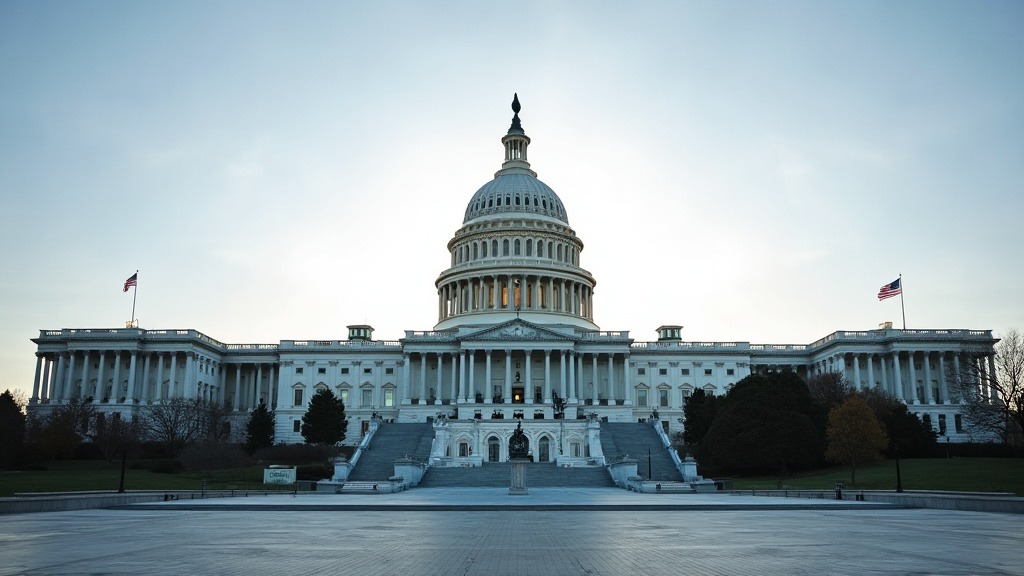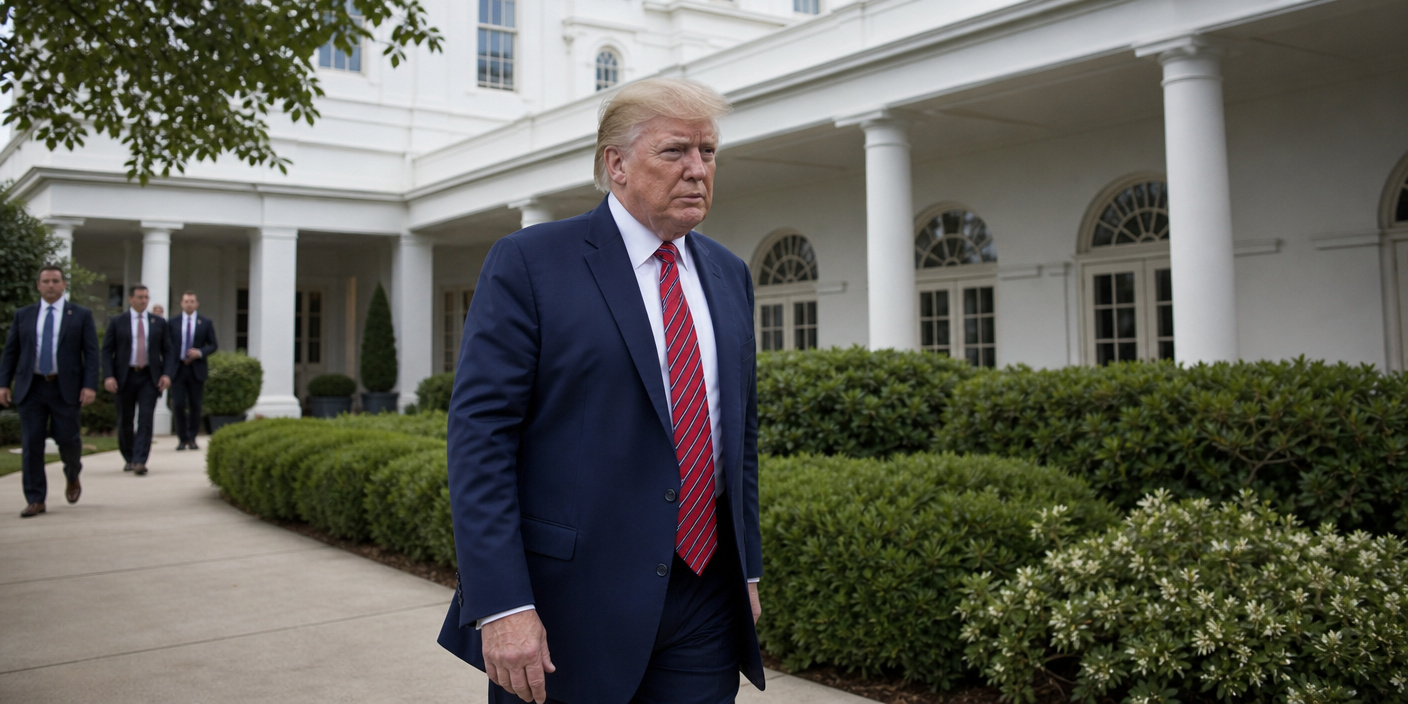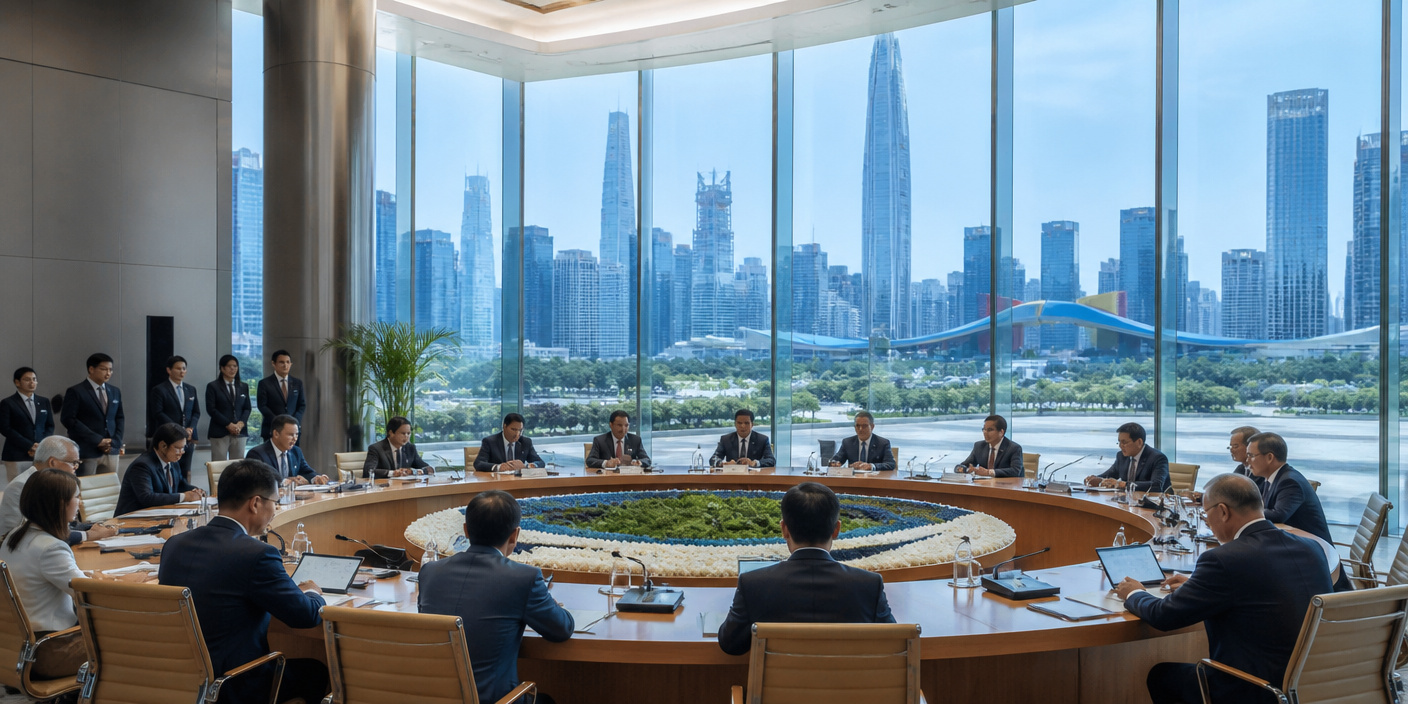
On November 23, 2026, the Atlantic Council is hosting a pivotal public event to analyze the strategic implications of Washington’s accelerating diplomatic efforts toward securing a sustainable peace in Ukraine. As global eyes turn to the capital, the focus has shifted from purely military aid to a complex, multi-layered diplomatic framework that aims to resolve the protracted conflict while preserving Ukrainian sovereignty and regional security. This event marks a critical inflection point, as Western policymakers attempt to translate battlefield realities into a coherent, lasting political settlement.
Key Highlights
- Atlantic Council Convening: Experts gather today, November 23, 2026, to dissect the specific mechanisms and geopolitical ripple effects of Washington’s current peace initiative.
- Shift in Diplomatic Posture: The US strategy is moving from a reactive support model to a proactive, structured peace-building effort involving high-level backchannel communications.
- Security Architecture: Central to the discussions is the concept of a ‘security guarantee’ model that bridges the gap between NATO membership aspirations and immediate defense requirements.
- Economic Reconstruction: The peace push includes a blueprint for long-term economic integration, focusing on mobilizing frozen assets and international investment funds for post-war recovery.
Navigating the Geopolitical Tightrope: The Atlantic Council’s Strategic Assessment
The Atlantic Council’s assembly today brings together senior fellows, military analysts, and former diplomats to evaluate the feasibility of the current Washington-led diplomatic surge. This event is not merely a theoretical exercise; it represents the public manifestation of months of high-stakes, behind-the-scenes negotiations aimed at tempering the intensity of the conflict. The central thesis being explored is whether a ‘peace push’ can achieve a durable equilibrium without compromising the territorial integrity that Kyiv views as non-negotiable.
The Mechanics of the Washington Peace Push
The current diplomatic strategy originating from Washington relies on a tri-pillared approach: verifiable de-escalation, enforceable security assurances, and international reconstruction commitments. Analysts are specifically looking at how the White House is coordinating with key European partners to ensure a unified front. The difficulty, however, remains the ‘enforcement gap.’ As discussed in preliminary session notes, any agreement must go beyond mere parchment. It requires robust monitoring mechanisms—potentially involving international coalitions—to oversee the cessation of hostilities. The Atlantic Council participants are expected to emphasize that Washington’s role is shifting from ‘arsenal of democracy’ to ‘guarantor of stability,’ a subtle but profound change in US foreign policy doctrine.
The Dilemma of Security Guarantees
One of the most contentious topics on today’s agenda is the architecture of security guarantees. Ukraine’s leadership has consistently argued that the only truly effective deterrent is full NATO membership. However, the diplomatic reality is that Washington and several key European allies remain cautious about immediate accession during active, even if paused, hostilities. The ‘Washington Plan’—as described by insiders—proposes an interim arrangement: a web of bilateral defense pacts that function as a de facto alliance, providing sophisticated military and intelligence support without the immediate triggering of Article 5. This approach aims to satisfy Kyiv’s security needs while providing enough strategic ambiguity to facilitate broader negotiations with Moscow.
Economic Sovereignty and Long-Term Stability
Beyond military safety, the Atlantic Council event is focusing heavily on the economics of peace. A ceasefire that leaves Ukraine economically insolvent would be a failure. The peace push is deeply intertwined with a reconstruction framework that seeks to utilize immobilized sovereign assets. This is not just about charity; it is about building a modern, resilient economy that is structurally integrated with the European Single Market. By creating a ‘stakeholder’ peace, Washington hopes to ensure that all parties have more to lose from renewed violence than they have to gain from it.
The Domestic Political Tightrope
Finally, the analysis must account for the domestic political realities in the United States. With the 2026 mid-term landscape influencing policy, the administration is balancing the necessity of a ‘win’ in Ukraine against a weary public. The Atlantic Council event will likely highlight that a successful peace push is as much about domestic sustainability as it is about international diplomacy. The messaging being crafted today is designed to frame this peace not as a retreat, but as a strategic pivot toward a more stable, predictable, and prosperous transatlantic alliance.
FAQ: People Also Ask
1. Why is the Atlantic Council event on November 23, 2026, considered significant?
It serves as a barometer for current US diplomatic strategy, providing an authoritative public assessment of whether Washington’s peace initiative is gaining traction among allies and if it is viewed as a viable path forward by the Ukrainian government.
2. How does the ‘Washington peace push’ differ from previous efforts?
It is distinct for its focus on a phased, multi-lateral security guarantee structure, which attempts to reconcile the immediate need for a ceasefire with long-term Ukrainian aspirations for European and transatlantic integration.
3. Is NATO membership on the table in these peace talks?
While official NATO membership remains a long-term goal for Kyiv, the current diplomatic push focuses on interim, robust bilateral security agreements to act as a ‘bridge’ until a more comprehensive regional security framework can be established.
4. What are the biggest hurdles for this peace initiative?
Experts cite the ‘enforcement gap’ (how to ensure agreements are kept), the difficulty of navigating the differing definitions of ‘territorial integrity’ among stakeholders, and the domestic political constraints within the US and its key European partners.