Role Model, the moniker of Los Angeles-based artist Tucker Pillsbury, has cemented his status as a critical force in modern pop with the release of his sophomore album, ‘Chuck Timely.’ In a recent, deeply personal ‘Sunday Sitdown’ interview, Pillsbury pulled back the curtain on the creative struggle and emotional catharsis that fueled this latest project, revealing how the songwriting process didn’t just facilitate his musical evolution—it effectively saved his life. By moving away from the bedroom-pop intimacy of his early catalog and embracing a more expansive, confident sound, Role Model has turned his personal tribulations into a record that resonates with a growing global audience.
Key Highlights
- Evolution of Sound: An exploration of how ‘Chuck Timely’ marks a departure from indie-pop roots toward a more polished, mature, and chart-oriented production style.
- The Mental Health Connection: Detailed insights into how the pressure of fame and personal anxiety were funneled into songwriting, acting as a vital coping mechanism for the artist.
- Commercial Impact: An analysis of the album’s successful launch, which secured a top 10 position on key charts and solidified his standing at Interscope Records.
The Evolution of an Authentic Icon
For many fans who discovered Role Model through the vulnerability of his early tracks, the shift presented on ‘Chuck Timely’ may initially feel like a departure. However, Tucker Pillsbury views this project not as a change in identity, but as a shedding of the protective layers he built early in his career. The ‘Sunday Sitdown’ interview highlighted that the artist—who famously began his journey in a cramped bedroom in Maine—has spent the last few years grappling with the transition to being a full-fledged pop star signed to Interscope Records.
This era of his life, which the album chronicles, is defined by the tension between the desire for anonymity and the necessity of exposure. In the industry, this is often a breaking point for artists. Yet, for Pillsbury, ‘Chuck Timely’ served as the exact antidote to this burnout. By leaning into the discomfort of public life, he was able to channel the raw, often overwhelming emotions of modern stardom into cohesive, stadium-ready anthems. This wasn’t just about creating a hit record; it was about reclaiming his own agency in an environment that often strips it away.
The Anatomy of ‘Chuck Timely’
The album’s production, characterized by layered synths and punchy, deliberate percussion, reflects the artist’s newfound confidence. Critics have noted that ‘Chuck Timely’ represents a technical leap forward. Pillsbury collaborated with a focused team of producers to capture a sound that feels simultaneously nostalgic—evoking early 2000s alt-rock energy—and distinctly futuristic.
During the conversation, Pillsbury emphasized that every track on the record acts as a time capsule. He noted that the title ‘Chuck Timely’ is more than a name; it is a manifestation of the person he needed to become to survive the rigors of the industry. This ‘Chuck’ character is not a persona, but rather an elevated version of his own spirit, representing the precise timing required to pull himself out of a depressive cycle and back into the creative flow. The album, as he describes it, is the sound of an artist finally deciding to bet on himself rather than waiting for external validation.
Surviving the Industry Pressure
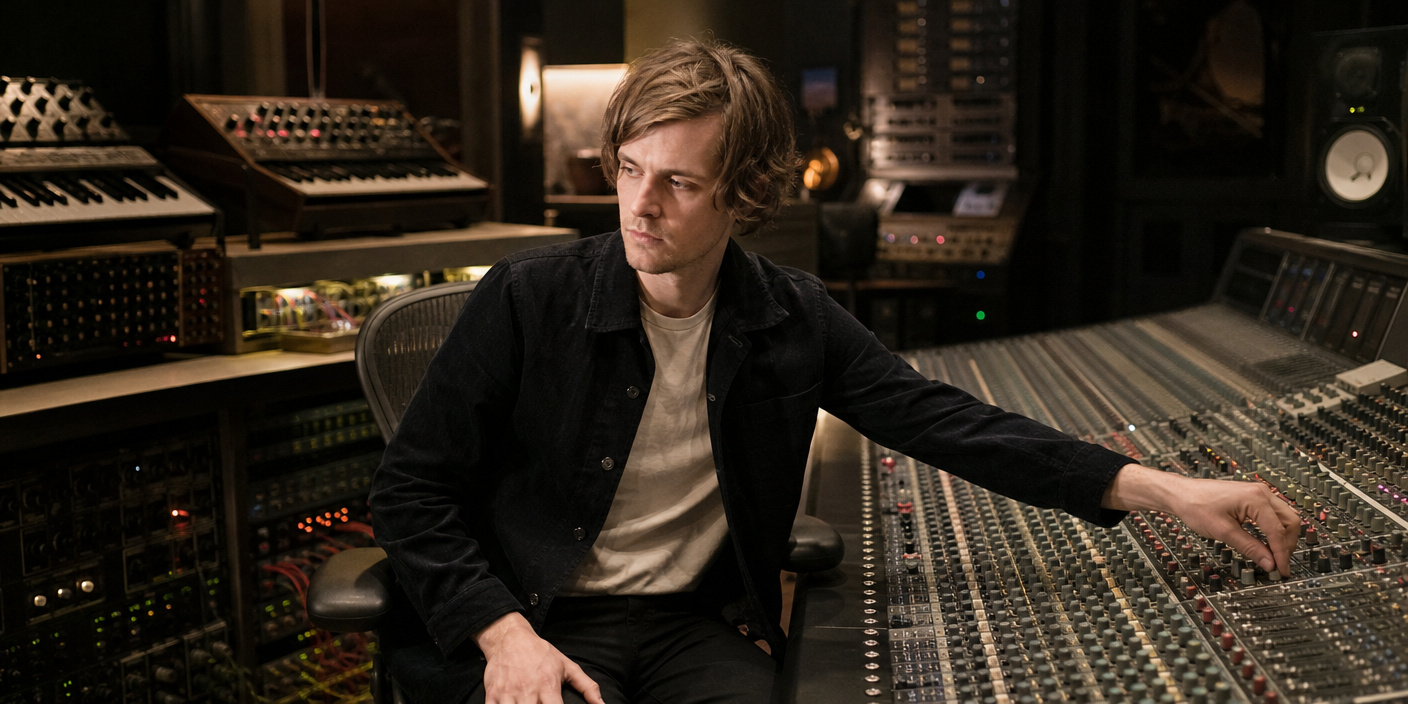
One of the most revealing aspects of the interview was the discussion surrounding the ‘life-saving’ nature of music. Pillsbury spoke candidly about his struggles with isolation, a theme that pervades the lyrics of ‘Chuck Timely.’ When the world feels closed off, and the pressures of touring and social media expectations mount, the studio acts as the only space of absolute clarity.
This sentiment is becoming increasingly common among artists of his generation, but Pillsbury’s articulation of it is particularly sharp. He explained that without the ability to externalize his anxiety through the medium of melody and rhythm, he found it nearly impossible to process his day-to-day reality. By committing to the 12-track project, he was essentially creating a psychological roadmap for his own survival. The commercial success—landing in the top 10—is secondary to the personal success of having finished the record at all.
Future Trajectory: What Comes Next?
With ‘Chuck Timely’ now firmly established in the cultural zeitgeist, the conversation naturally shifts to the road ahead. Pillsbury is clearly positioned for a massive headline tour, but he approaches the future with a tempered perspective. Unlike previous cycles where the drive was purely commercial, his focus now remains on sustainable creativity. He noted that the success of this album has provided him the leverage to be more selective, more experimental, and ultimately, more protective of his mental health. The industry should expect a continued deviation from traditional pop tropes, as Role Model continues to prioritize his own artistic truth over radio-friendly formulas.
FAQ: People Also Ask
Q: What is the primary theme of Role Model’s ‘Chuck Timely’ album?
A: The album focuses on personal transformation, the struggle to balance authenticity with fame, and the act of using music as a therapeutic tool to overcome mental health challenges and burnout.
Q: How did ‘Chuck Timely’ perform on the charts?
A: The album achieved significant commercial success, landing in the top 10 on multiple industry charts, marking a new career high for the artist and cementing his status as a prominent pop figure.
Q: How does this album differ from Role Model’s earlier work?
A: While maintaining his signature lyrical vulnerability, ‘Chuck Timely’ features a more polished, expansive, and high-energy production style, signaling a departure from the lo-fi ‘bedroom pop’ aesthetic of his earlier discography.
Q: What does the title ‘Chuck Timely’ signify?
A: According to the artist, the title refers to a version of himself—a manifestation of confidence and ‘timeliness’—that he needed to adopt to navigate the pressures of his career and his personal life effectively.