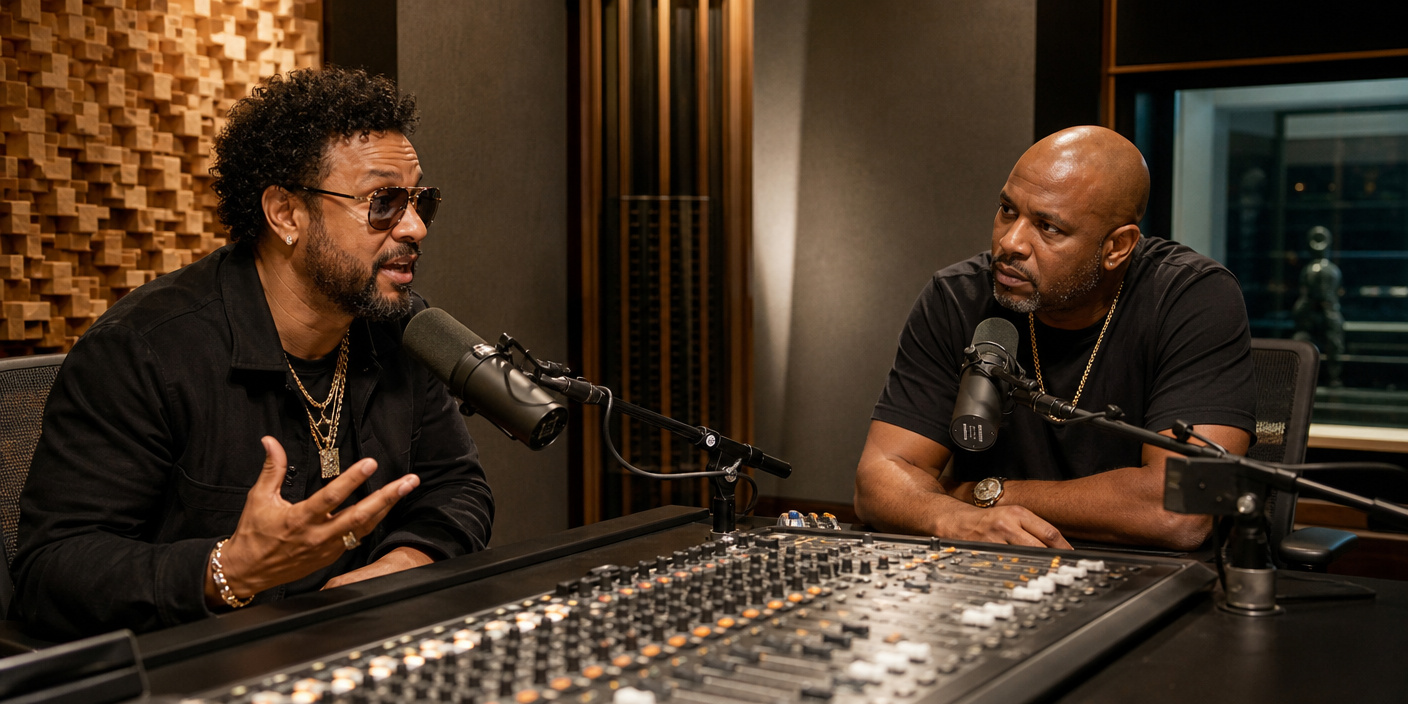
Shaggy, the Diamond-selling, Grammy-winning architect of global reggae-fusion, has ignited a firestorm within the music industry following a candid, deep-dive interview on Roadblock Radio. Sitting down with DJ Mr Famous, the dancehall icon bypassed the typical promotional circuits to address a structural systemic issue: the persistent gatekeeping and misclassification of Caribbean music on American mainstream radio. His commentary, which has since gone viral, serves as both a critique of current airplay trends and a demand for the respect and autonomy that Caribbean genres—specifically dancehall and reggae—have earned through decades of global chart dominance.
Key Highlights
- Radio Gatekeeping: Shaggy explicitly criticized the way mainstream radio formats force Caribbean artists into narrow boxes, often limiting their exposure to ‘pop’ remixes while ignoring the genre’s authentic roots.
- Deconstructing the ‘King’ Narrative: The artist challenged the commercialized branding of ‘Kings of Dancehall,’ arguing that titles are often manufactured by labels or radio entities rather than reflecting the actual cultural hierarchy within Jamaica.
- The Call for Equity: He advocated for a shift where Caribbean radio presence is not just a seasonal trend but a consistent, respected staple in the American broadcast ecosystem.
- Genre Evolution: The discussion highlighted the influence of dancehall on modern pop music and the ironic reality that the ‘riddims’ are often celebrated while the artists behind them remain under-promoted.
The Anatomy of a Radio Revolution
The conversation between Shaggy and DJ Mr Famous on Roadblock Radio wasn’t merely a casual check-in; it was a masterclass in industry advocacy. For decades, Shaggy—born Orville Richard Burrell—has navigated the treacherous waters between global pop stardom and his deep-rooted Jamaican heritage. His frustration, articulated during the broadcast, stems from a recurring phenomenon: the ‘borrowing’ of Caribbean cadences, percussions, and rhythmic structures by mainstream producers, only for the actual Caribbean artists to be sidelined from top-tier rotation.
This isn’t a new complaint, but it is rare to hear it articulated with such precision by someone of Shaggy’s stature. As a multi-platinum artist with an RIAA Diamond-certified album (Hot Shot), Shaggy possesses the industry ‘receipts’ to speak on how airplay translates to economic mobility. When he speaks about the industry’s failure to nurture Caribbean music as a standalone, powerful entity, he is highlighting an economic disparity where Jamaican-born artists are forced to compete with American pop stars who are utilizing their own sound.
The ‘Kings’ Controversy and Cultural Authority
One of the most compelling segments of the interview dealt with the concept of royalty within the dancehall genre. The media, and occasionally labels, are quick to designate ‘Kings of Dancehall.’ Shaggy’s critique was nuanced: he argued that the title is often a marketing tool used to drive sales and create conflict, which simplifies the multifaceted nature of the culture.
By challenging the ‘King’ narrative, Shaggy is attempting to reclaim the history of the genre from the transactional nature of the music business. He pointed out that dancehall is a rich, complex ecosystem defined by lyricists, sound systems, and producers, not just whoever has the most trending songs on social media. This pushback is an attempt to preserve the integrity of the art form, preventing it from being reduced to a single face or a manufactured label. It asks the audience to respect the lineage of the sound, referencing figures and movements that preceded the current digital era.
The Mainstream Radio Disconnect
Why does Caribbean music continue to struggle for ‘native’ airplay in the U.S.? Shaggy’s analysis points to the rigid programming structures of American radio. While Caribbean-inspired tracks dominate the ‘Top 40’ charts, they are often classified under ‘Pop’ or ‘Hip-Hop/R&B,’ stripping the records of their genre identity. This erasure makes it difficult for dancehall artists to build sustainable, long-term careers that aren’t dependent on a singular crossover hit.
Shaggy noted that when radio stations do play reggae, it is often gated behind specific hours or relegated to ‘island’ segments, rather than integrated into the daily rotation. This ‘ghettoization’ of the music prevents it from growing organically, keeping the artists in a cycle of constant reinvention rather than allowing them to cultivate a dedicated, mainstream-facing identity.
Historical Context: The Long Road to Recognition
It is vital to remember the historical arc that brought Caribbean music to the forefront of the global stage. From the roots of Bob Marley to the dancehall explosion of the 90s led by acts like Beenie Man, Bounty Killer, and Sean Paul, the genre has always had the raw appeal. However, the mechanism of success has changed. In the pre-internet era, radio was the gatekeeper. Today, while streaming has democratized discovery, radio remains the final frontier for ‘mass’ approval.
Shaggy’s plea is a call to modernize the radio industry’s mindset. He argues that if radio can play a Reggaeton track or a dancehall-inspired Pop song, it should be capable of playing authentic dancehall music, provided the industry gives these artists the same promotional weight. His career serves as the blueprint: Shaggy proved that you can keep the core of the music intact while achieving global success. His frustration lies in the fact that the industry has not made this path easier for those who followed him.
Future Implications for Caribbean Artists
As the interview concludes, the broader takeaway is an urgent call to action for programmers and labels. The ‘Shaggy Doctrine,’ as it were, demands a shift from tokenism to true representation. For the next generation of Caribbean artists—whether they are emerging from the studio in Kingston or the diaspora in Brooklyn—the goal is to ensure their music is played because of its quality, not its convenience. If the industry listens, we could see a fundamental shift in how Caribbean music is programmed, valued, and compensated. Shaggy has opened the door; the question remains whether the radio industry has the courage to walk through it and treat the music with the parity it demands.
FAQ: People Also Ask
1. Who is DJ Mr Famous, and why is this interview significant?
DJ Mr Famous is a prominent figure in the Caribbean radio landscape, hosting his show on Roadblock Radio. The interview is significant because it provided a platform for Shaggy to express unvarnished opinions on industry politics, avoiding the polished, sanitized approach often seen in mainstream press.
2. Did Shaggy name specific ‘Kings’ of dancehall during the interview?
Shaggy largely avoided naming specific individuals as ‘the’ King, instead focusing on the problem of the title itself. He criticized the practice of assigning such titles as a marketing tactic that simplifies the genre’s deep, complex cultural history.
3. Is Caribbean music losing its foothold in radio?
Shaggy’s argument is that while the rhythm and influence of Caribbean music have never been stronger in mainstream pop, the identity of the actual Caribbean artists is being stripped away. The music is present, but the authentic, independent artists are struggling to get the recognition they deserve within that radio airplay ecosystem.
4. What does Shaggy want to change about radio programming?
He is advocating for better integration of authentic Caribbean music into mainstream rotation, arguing that stations should stop classifying Caribbean sounds strictly as ‘pop’ or ‘island’ novelties and start treating them as legitimate, high-value music genres that deserve consistent exposure regardless of whether they have a pop crossover hit.