On August 18th, the tapestry of popular music has been woven with threads of both triumph and tragedy. This specific date in the calendar does not merely mark the passage of time; it serves as a historical intersection where the counterculture movement, the loss of a musical deity, and the expansion of the British Invasion all collided. For music historians and enthusiasts, August 18 represents a series of pivot points that fundamentally altered the trajectory of the industry, influencing everything from performance standards to how the world processes the death of a global icon.
Key Highlights
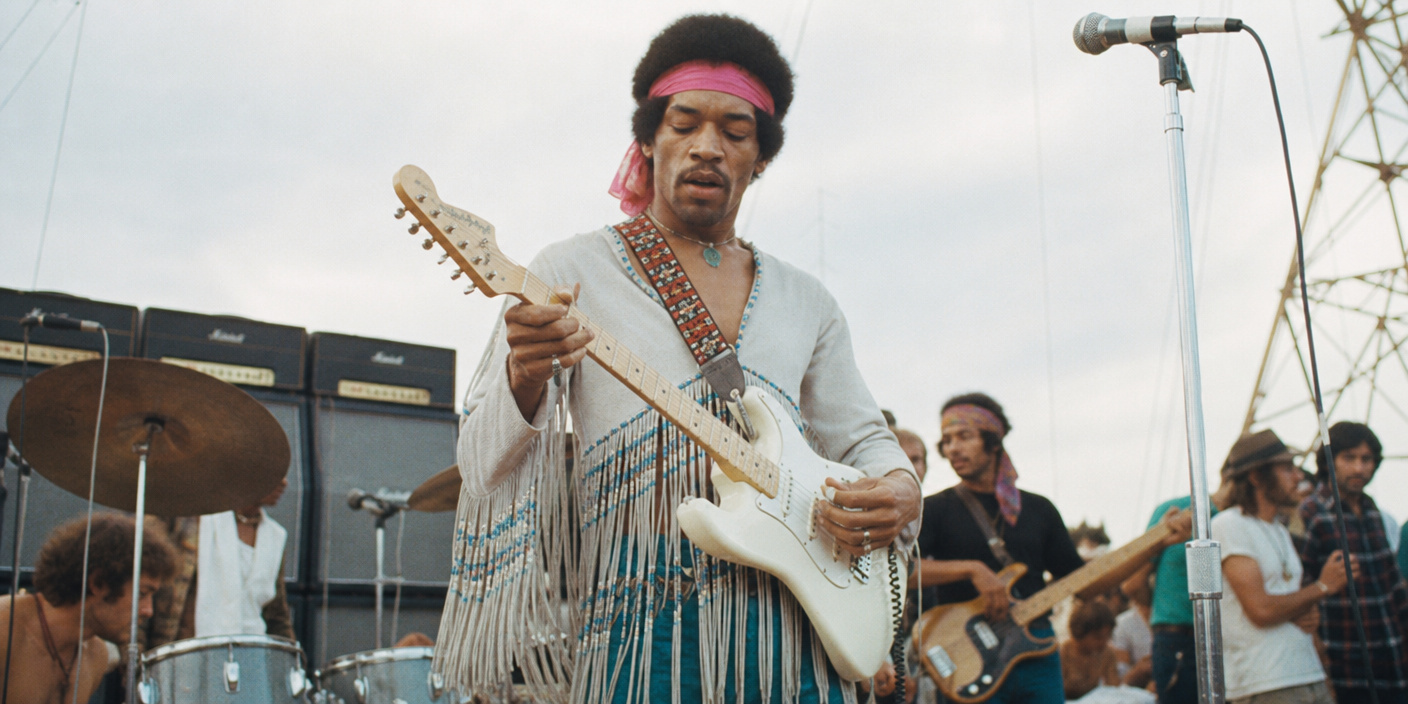
- The End of an Era (1969): Jimi Hendrix concludes the historic Woodstock Music & Art Fair with a performance that cemented the festival’s legendary status in pop culture.
- A World in Mourning (1977): The funeral service for Elvis Presley takes place at Graceland, marking a turning point in rock celebrity culture and legacy management.
- The Beatles’ US Expansion (1964): The Beatles arrive in San Francisco, setting the stage for their first North American tour and solidifying the British Invasion’s foothold in the United States.
- Chart Milestones (1984): Madonna’s “Lucky Star” enters the Billboard charts, signaling the rise of the next generation of pop-rock titans.
The Immutable Legacy of August 18
To understand the evolution of rock music, one must look at the specific calendar dates that acted as crucibles for change. August 18 is unique because it captures the spectrum of the industry: the peak of hippie idealism, the devastating realization of mortality, and the unstoppable momentum of global stardom.
1969: The Morning Hendrix Defined Woodstock
By the time Jimi Hendrix took the stage on the morning of Monday, August 18, 1969, the Woodstock festival was already entering its final, exhausted phase. Most of the massive crowd had begun to disperse, but those who remained witnessed perhaps the most iconic moment in the history of rock performance. Hendrix, backed by his band ‘Gypsy Sun and Rainbows,’ delivered a blistering, psychedelic interpretation of “The Star-Spangled Banner.”
This was not merely a musical performance; it was a political statement. The feedback-heavy, distorted rendition encapsulated the tension of the Vietnam War era. It remains the defining sonic image of the 1960s. The significance of this moment lies in its defiance of convention; Hendrix turned the national anthem into a symbol of both protest and raw, unbridled artistic freedom. For the music industry, it set an impossible standard for live performance—the idea that a single artist could capture the collective consciousness of a generation.
1977: The Day the King Was Laid to Rest
If Hendrix’s Woodstock performance was a high-water mark for the industry, August 18, 1977, represented a profound emotional trough. Following the sudden death of Elvis Presley two days prior, the funeral service held at Graceland in Memphis, Tennessee, drew thousands of fans, friends, and fellow musicians.
The event was a cultural seismograph. It marked the first time the modern world had to reckon with the loss of a post-war musical deity on such a massive, televised scale. The impact on the music industry was immediate. It changed how labels and estates handled the passing of legends, effectively creating the modern “legacy artist” industry. The public outpouring on this day proved that rock icons were not just entertainers; they were secular saints whose influence persisted long after their final performance.
1964: The Beatles and the Cow Palace Arrival
Decades before the internet, the spread of the British Invasion relied on the physical movement of the bands themselves. On August 18, 1964, The Beatles arrived in San Francisco, ahead of their show at the Cow Palace. While the concert itself would occur on the 19th, the arrival in the city signaled a critical expansion of their US tour.
This era of rock history was defined by the transition from localized scenes to national dominance. For The Beatles, each tour date was a logistical and cultural campaign. The San Francisco arrival was a microcosm of their total takeover of Western culture—a blend of hysteria, high-fidelity production, and the sheer force of personality that would eventually lead to the stadium-touring model that persists to this day.
Secondary Angles on Historical Impact
1. The Shift in Media Consumption: The transition from the 1964 Beatles era, which relied on radio and physical presence, to the 1984 Madonna era, which leveraged music videos and aggressive chart positioning, shows how August 18 has been a vantage point for watching the industry adapt to new technology.
2. Economic Geography: The choice of locations for these events—Woodstock (upstate New York), Graceland (Memphis), and The Cow Palace (San Francisco)—highlights how specific geographic hubs became the pilgrimage sites for rock culture, creating the blueprint for modern music tourism.
3. The Ethics of Iconography: The contrast between the 1969 Hendrix performance and the 1977 Elvis funeral highlights the duality of the rock star: the creator of the myth versus the object of public grief. This dichotomy has governed the marketing of musical artists for over 50 years.
FAQ: People Also Ask
Q: Why was the August 18th Hendrix performance at Woodstock so short on the crowd size?
A: By the time Hendrix played at 9:00 AM on Monday, August 18, the festival had experienced severe logistical challenges. The vast majority of the estimated 400,000 attendees had already left, leaving a crowd of roughly 30,000 to 40,000 people to witness the finale.
Q: How did the Elvis Presley funeral on August 18 change the music business?
A: It established the modern paradigm of post-mortem legacy management. The sheer scale of the mourning and the subsequent commercialization of his likeness and recordings forced record labels to develop long-term strategies for deceased artists that remain the industry standard today.
Q: Did the Beatles’ arrival in San Francisco on August 18 lead to any specific industry innovations?
A: It reinforced the necessity for high-capacity venue security and crowd control management. The hysteria surrounding the 1964 tour effectively forced the industry to standardize safety protocols for large-scale outdoor and arena rock concerts.