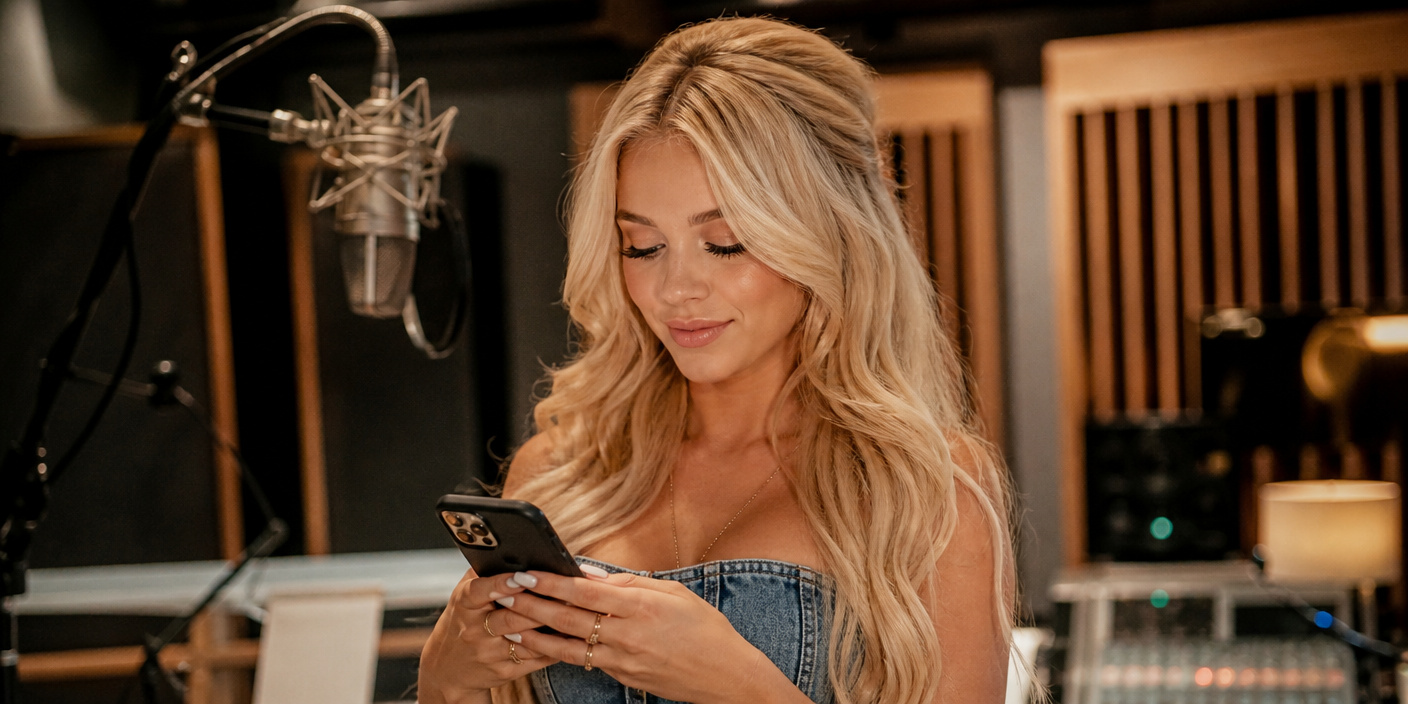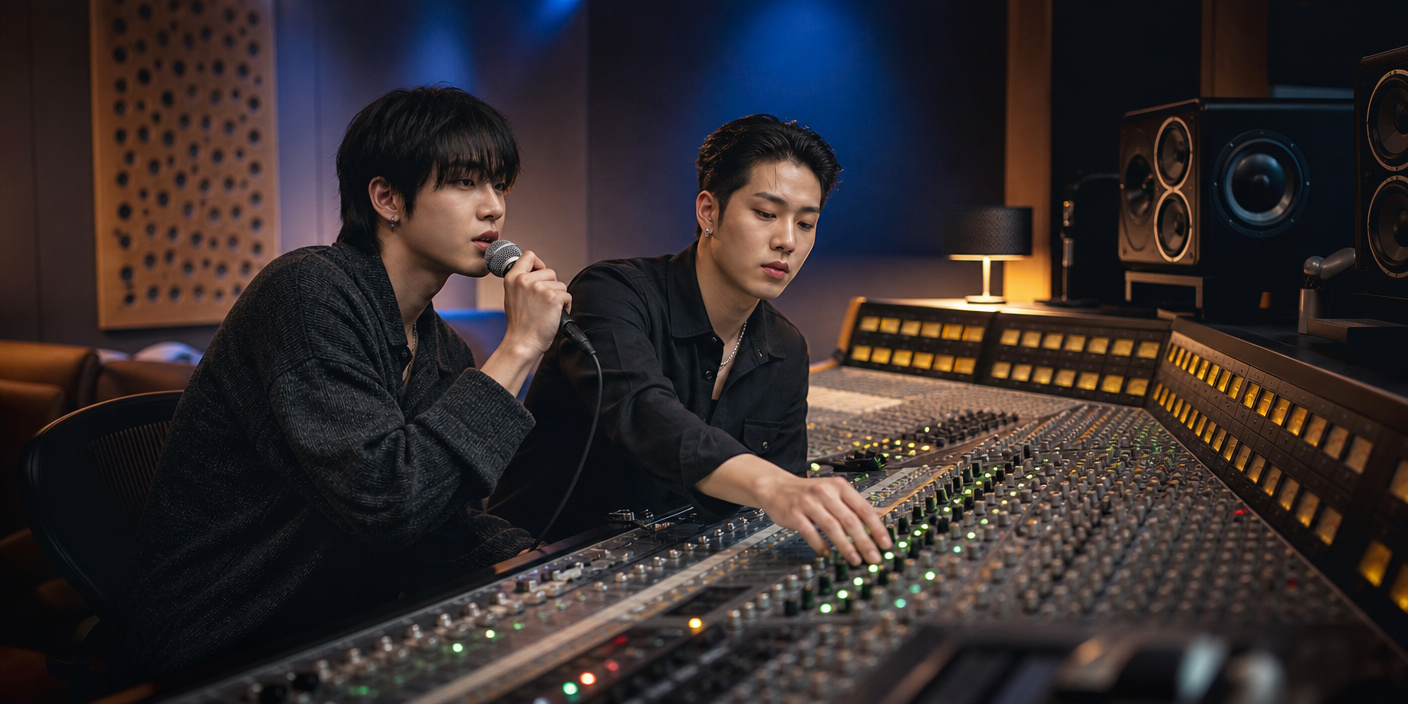
Ten years after the infectious melody of ‘Baby Shark’ became a defining cultural touchstone for a generation, the child performer who captivated the world is stepping back into the limelight—this time, on his own terms. Park Geonroung, widely recognized by the internet as the face of the viral hit, has officially announced his transition into the K-pop industry. Adopting the stage name ‘Baby Shark Boy’, Geonroung is set to release his debut single, ‘WAVE’, on August 20, 2026.
This move marks a significant pivot from the digital content space to the high-stakes world of professional music performance. The announcement has sent shockwaves through the fandom and industry analysts alike, as the debut single will feature a collaboration with Joohoney, the acclaimed rapper and songwriter from the global K-pop powerhouse, MONSTA X. By aligning with such a high-profile figure, the agency is signaling a clear intent to transition Geonroung from a nostalgic viral icon into a serious, credible musical artist.
Key Highlights
- Debut Date: Park Geonroung’s first single, ‘WAVE’, is scheduled for global release on August 20, 2026.
- Collaborator: The track will feature a high-profile appearance by Joohoney of the K-pop group MONSTA X.
- Stage Name: The performer will move forward under the professional moniker ‘Baby Shark Boy’.
- Industry Shift: This debut represents a rare crossover from children’s digital media into the competitive mainstream K-pop training and production system.
The Evolution of ‘Baby Shark Boy’
The journey from being a child performer in a viral educational video to a K-pop idol trainee is an unprecedented narrative arc in the South Korean entertainment industry. While many child actors struggle to shed the identity associated with their early roles, Park Geonroung’s rebranding as ‘Baby Shark Boy’ is a calculated decision to lean into his unique historical recognition while showcasing a mature musical aesthetic.
Industry insiders suggest that the 10-year gap between the viral video and this debut has been spent in rigorous training. The K-pop idol system is notoriously demanding, requiring years of practice in vocal control, complex choreography, and media training. By waiting until 2026, Geonroung has ostensibly allowed the ‘child star’ image to settle, creating space for a new identity that bridges his past and his future. The choice to collaborate with Joohoney of MONSTA X is particularly tactical. Joohoney is respected for his distinct flow and production capabilities, providing the track ‘WAVE’ with instant industry legitimacy that might otherwise be absent for a debut artist.
Analyzing the ‘WAVE’ Strategy
With the upcoming release of ‘WAVE’, all eyes are on the production values. In the modern K-pop landscape, a solo debut requires more than just talent; it requires a strong concept, a clear brand identity, and an aggressive digital rollout strategy. The title ‘WAVE’ suggests a potential pivot toward a more melodic, perhaps EDM-influenced sound, which aligns with the global trends currently dominating the charts.
Furthermore, the integration of established stars like Joohoney is a classic industry maneuver to ensure the debut achieves immediate streaming numbers and visibility. It validates the artist in the eyes of hardcore K-pop fans—a demographic that can be notoriously difficult to win over. If ‘WAVE’ successfully blends the catchy, hook-heavy structure of his past with a sophisticated, mature K-pop production, it could set a new precedent for how ‘internet-first’ celebrities monetize their longevity.
The K-Pop Idol Pipeline and Digital Fame
This debut also highlights a broader shift in the talent pipeline. Traditionally, K-pop agencies groomed trainees from scratch in closed-off systems. However, we are seeing an increasing number of debuts coming from ‘pre-established’ digital backgrounds. Whether it is influencers, streamers, or—in this case—viral stars, agencies are realizing that built-in recognition is an invaluable asset in a saturated market.
Geonroung’s career trajectory raises questions about the long-term sustainability of such fame. Can he leverage the ‘Baby Shark’ legacy without being trapped by it? The strategic use of his new stage name seems to suggest a ‘both/and’ approach: acknowledging the past while moving forward. It is a tightrope walk between leveraging nostalgia and establishing an independent musical personality that can survive without the crutch of the original viral hit.
The Secondary Angles of Viral Success
1. The Psychology of Longevity: The case of Park Geonroung offers a unique case study in how child performers handle the pressure of the internet. The decade-long ‘silence’ (in terms of new releases) provided a crucial developmental phase, likely protecting him from the typical burnout associated with childhood fame.
2. The Economic Impact: Viral IP like ‘Baby Shark’ (originally by Pinkfong) generates massive, sustained revenue. By aligning with that history, the management team likely has a stronger financial safety net than standard debut acts, allowing for higher-budget music videos and more effective promotional campaigns.
3. Future Predictions: If ‘WAVE’ succeeds, we should expect to see more former child-stars and viral sensations attempting to cross over into the idol market. This could fundamentally alter the casting process, with agencies seeking candidates who have already demonstrated an ability to command digital attention.
FAQ: People Also Ask
Q: Is ‘Baby Shark Boy’ a permanent stage name or a temporary gimmick?
A: While the name is clearly a nod to his viral history, it is his official professional name for this debut. Whether it remains his moniker for his entire career depends on the success of ‘WAVE’ and the subsequent evolution of his artistic identity.
Q: How did the collaboration with Joohoney of MONSTA X come about?
A: While the specific internal negotiations remain private, such collaborations are typically organized through management agencies seeking to boost a new artist’s profile. Joohoney’s involvement lends immediate credibility to Geonroung’s debut in the competitive K-pop market.
Q: Does this mean the original ‘Baby Shark’ video was a precursor to this career?
A: While the video was a massive cultural phenomenon, the transition to K-pop is a distinct professional step. Geonroung’s team is utilizing the massive awareness from that video as a foundation, but the music itself is being positioned as an original, modern K-pop product.
Q: When is the official music video for ‘WAVE’ dropping?
A: The single and associated media are scheduled for release on August 20, 2026. Fans can expect simultaneous releases on major streaming platforms and the official agency YouTube channel.