The classic late-night television musical performance—the glossy, high-production, post-monologue spotlight that launched generations of superstars—is facing an existential crisis. For decades, a booking on ‘The Tonight Show’ or ‘The Late Show’ served as the ultimate metric of arrival for a musical act. However, as viewership demographics shift and networks aggressively trim budgets, the physical space allocated to live music on broadcast television has dwindled significantly. In this vacuum, a new ecosystem of digital-first media is emerging, proving that the ‘watercooler moment’ for music discovery has migrated from the broadcast studio to the smartphone screen.
Key Highlights
- Traditional late-night networks have systematically reduced musical performance slots, prioritizing viral clips and comedy sketches over full-production musical sets.
- Economic pressures, including declining broadcast ad revenue, have forced networks to reconsider the high cost of unionized live performance production.
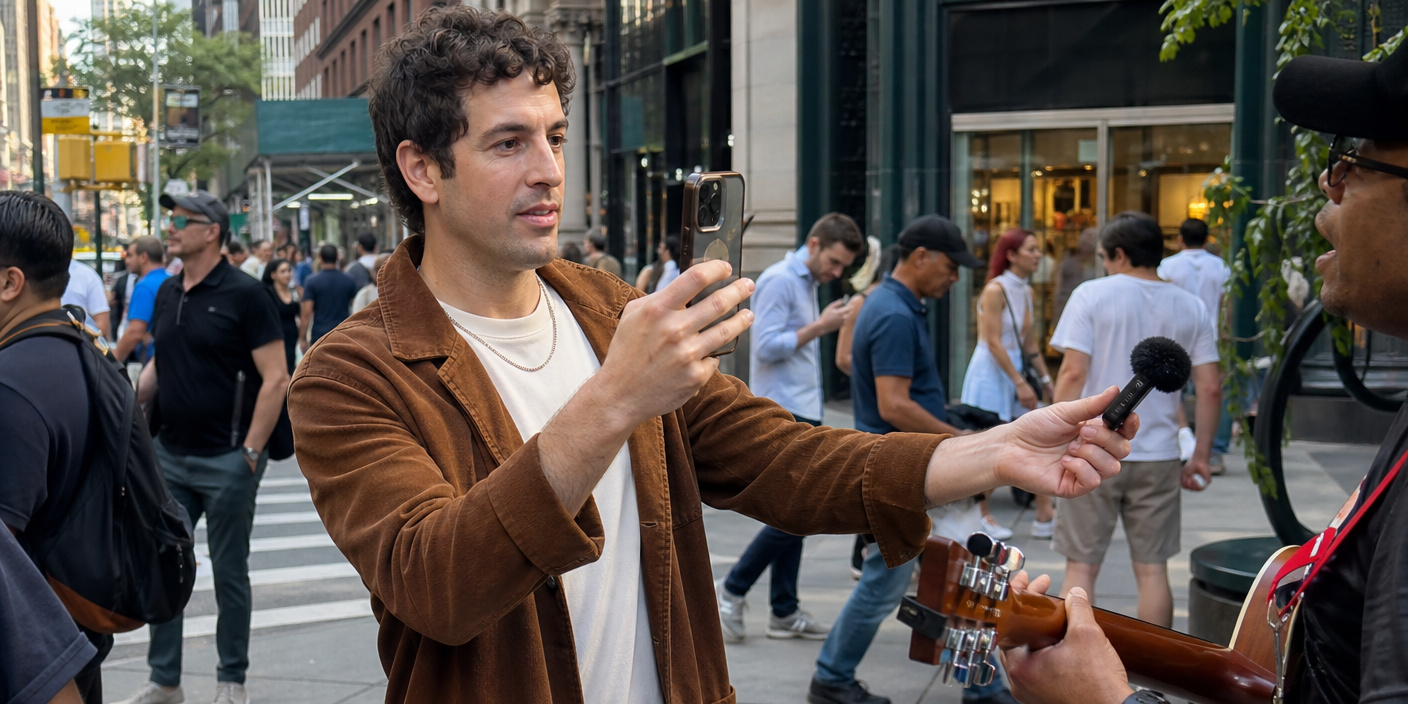
- Digital creators, such as Julian Shapiro-Barnum and his project ‘Outside Tonight,’ are capturing the audience by offering raw, guerrilla-style music coverage that circumvents traditional industry gatekeepers.
- The shift highlights a broader transformation in music marketing: from ‘broadcast reach’ to ‘algorithm-driven niche engagement.’
The Broadcast Retreat and the Digital Frontier
The decline of music on late-night TV is not a sudden accident; it is the result of a slow-moving economic and cultural transformation. For the better part of fifty years, the symbiotic relationship between record labels and late-night talk shows defined the music industry’s PR strategy. Labels would shoulder the immense costs of flying in bands, transporting gear, and rehearsing for a four-minute slot in exchange for a massive, captive audience. Today, that audience is fragmented. While a performance on a legacy network show might still reach a broad demographic, the return on investment for record labels has plummeted. Why spend tens of thousands of dollars on a single broadcast appearance when a viral TikTok trend or a well-placed interview on a niche digital channel can generate millions of targeted views for a fraction of the cost?
The Economics of the Shrinking Slot
Broadcast networks are facing stiff competition, not just from each other, but from streaming services, social media, and on-demand content. To maintain profitability, networks like NBC, CBS, and ABC have moved toward ‘low-friction’ content. Musical performances require complex audio-visual setups, crew hours, and union labor agreements that are increasingly difficult to justify on a shrinking production budget. Consequently, producers are favoring sketches and games—content that can be easily chopped into 60-second clips for YouTube and Instagram. Music, often requiring a dedicated stage set-up and complex sound mixing, has become a logistical casualty of the digital-first pivot. As these slots evaporate, the gatekeeping power of the late-night booker has effectively dissolved, leaving artists to fend for themselves in the attention economy.
Julian Shapiro-Barnum and the ‘Outside Tonight’ Model
Filling this gap is a burgeoning class of digital creator-journalists who prioritize authenticity over polish. Julian Shapiro-Barnum’s ‘Outside Tonight’ is perhaps the most salient example of this new guard. By stepping outside the studio and into the streets—literally and figuratively—these creators are bypassing the industry’s traditional machinery. Their content feels accessible, immediate, and crucially, shareable. They aren’t asking for permission from a network head to feature an artist; they are documenting the scene where it happens. This approach mirrors the broader ‘creator economy’ trend, where the audience prefers the intimacy of an iPhone-shot interview or an impromptu performance over the distance of a network stage. This isn’t just a change in venue; it is a change in the frequency of the music industry’s heartbeat.
The Future of Music Discovery
As we look ahead, the role of broadcast television in music discovery will likely continue to diminish. However, this is not necessarily a tragedy for the arts. In fact, it opens doors for independent labels and artists who previously could not afford the ‘pay-to-play’ barrier of national television. The future belongs to platforms that can foster community engagement rather than passive viewing. We are moving toward a model of decentralized discovery, where music platforms and web-based trivia series act as the new curators. The next generation of stars will likely be minted not by a late-night host’s handshake, but by the cumulative power of digital creators, playlist placements, and direct-to-fan engagement strategies.
FAQ: People Also Ask
Q: Why are late-night shows cutting musical performances?
A: The primary drivers are budget constraints and shifting viewer behavior. Musical performances are expensive to produce, and networks are prioritizing content that performs better as short-form, viral social media clips, such as comedy games and celebrity interviews.
Q: Is broadcast television completely dead for music artists?
A: Not entirely, but its dominance as the primary vehicle for music discovery is over. It remains a prestige marker, but it is no longer the essential ‘breakout’ moment it was a decade ago.
Q: Who is Julian Shapiro-Barnum?
A: Julian Shapiro-Barnum is a digital creator known for his project ‘Outside Tonight,’ which utilizes a guerilla-style approach to music journalism, capturing live performances and artist interviews that bypass traditional TV studio constraints.
Q: How does this change the music marketing landscape?
A: Record labels are shifting marketing budgets away from costly television production and toward targeted digital campaigns, including TikTok influencers, YouTube creators, and independent digital media platforms that offer higher engagement rates and better demographic targeting.