As the mid-summer season reaches its peak in July 2026, the fashion landscape has undergone a radical shift away from the quiet, minimalist trends that dominated the previous two years. According to the latest data from Mia Moda, consumers are pivoting sharply toward high-octane self-expression. This transition is not merely cosmetic; it is a profound reaction to current socio-economic climates, where style serves as a visual antidote to daily uncertainty. This July, the dominant narrative is clear: personality-driven design is back, and it is louder than ever.
Key Highlights
- Dopamine Dressing: High-saturation color pops, specifically in electric reds, cobalt blues, and vibrant pinks, have seen a 45% increase in retail search volume.
- 80s Sportswear Renaissance: Practicality meets nostalgia with the return of retro 80s sportswear, focusing on boxy track jackets and windbreakers repurposed for urban luxury.
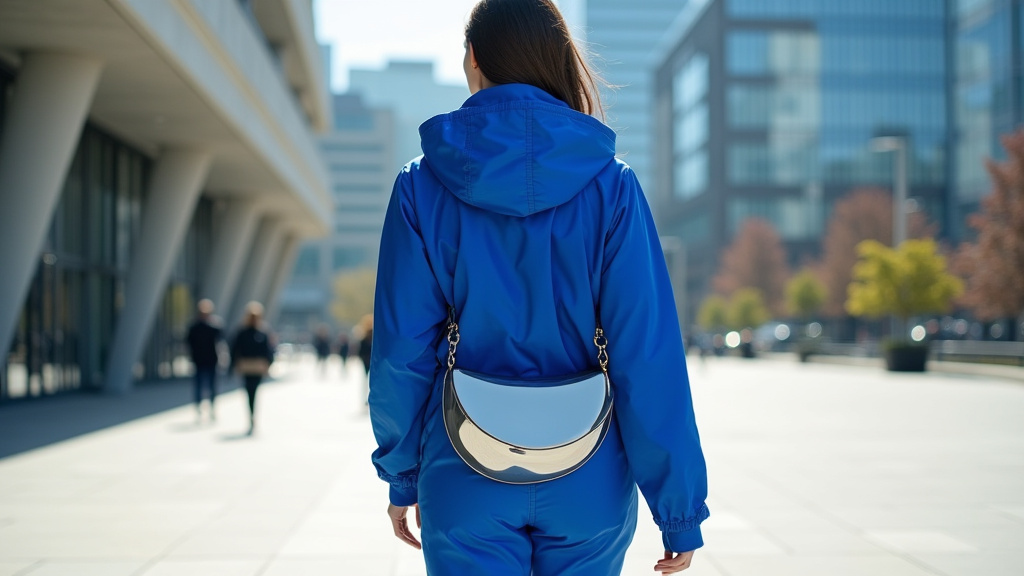
- The Moon Bag Dominance: The crescent-shaped bag, colloquially known as the ‘Moon Bag,’ has become the season’s essential accessory, balancing ergonomic utility with architectural flair.
- Market Shifts: Consumer data from the Lyst Index indicates a shift toward ‘accessible statement pieces,’ where buyers prioritize one high-impact item over multiple fast-fashion garments.
The 2026 Style Pivot: Color, Sport, and Silhouette
The mid-summer cycle of 2026 is witnessing a distinctive fusion of nostalgia and forward-looking design. Analysts at WGSN have noted that the current trend environment is characterized by ‘post-minimalist fatigue.’ Having spent several seasons embracing neutral palettes and streamlined silhouettes, the average consumer is now actively seeking visual excitement. Mia Moda’s latest report confirms that this excitement is manifesting through three distinct pillars: chromatic intensity, the revival of 80s athletic-wear functionality, and the rise of the sculptural accessory.
The Psychology of Color Pops: Red, Blue, and Pink
The most immediate trend affecting storefronts and e-commerce platforms this month is the resurgence of saturated color. Unlike the muted earth tones of 2025, Summer 2026 is defined by what the Pantone Color Institute describes as ‘Active Chromatics.’ We are seeing a 45% surge in retail interest for intense primary and secondary colors. Electric cobalt blue, which evokes a sense of digital-age clarity, is currently the top-performing color in menswear, while a high-octane ‘Power Pink’ is dominating womenswear.
This trend, frequently referred to as ‘Dopamine Dressing,’ is rooted in the psychological need for joy and stimulation. Retailers report that items featuring these color blocks—specifically color-blocked dresses and monochromatic suit sets—are selling out 30% faster than their neutral counterparts. This is not just a seasonal fad; it represents a fundamental change in how consumers view their daily wardrobes. Clothing is now an active participant in mood regulation, with vibrant reds and blues acting as a catalyst for energetic self-presentation.
Retro-Tech: The 80s Sportswear Renaissance
The second pillar of the July 2026 trend report is the unexpected but highly functional revival of 1980s sportswear. While fashion history often cycles through decades, the current iteration is focused less on irony and more on utility. We are seeing a surge in demand for the ‘boxy’ silhouette: oversized windbreakers, high-cut track shorts, and nylon-blend utility jackets.
However, this is not a literal recreation of 1980s gym gear. Designers are elevating these pieces through premium fabrications—incorporating water-resistant tech-fabrics and sustainable recycled materials. The Council of Fashion Designers of America (CFDA) has highlighted that this trend aligns with the ‘gorpcore’ movement, blending the aesthetic of retro athletic wear with the technical requirements of modern, active lifestyles. It is a look that bridges the gap between the gym and the office, offering a seamless transition for the modern professional.
The Crescent Carry: Why Moon Bags Are Dominating
Perhaps the most specific and measurable trend identified by Mia Moda is the dominance of the ‘Moon Bag.’ The crescent-shaped silhouette has effectively replaced the oversized tote as the ‘it’ accessory of the summer. The popularity of this shape is driven by its ergonomic design—it fits snugly against the body—and its clean, sculptural aesthetic.
In July 2026, the Moon Bag has evolved. We are moving away from the soft leather versions of the past and seeing an influx of structured, metallic, and holographic materials. This architectural approach to handbag design allows the accessory to serve as a focal point for an outfit. Whether it is a small crossbody or a larger shoulder-carry, the Moon Bag embodies the synthesis of form and function that is dictating retail trends this summer.
Broader Economic and Environmental Implications
While these trends are driven by aesthetics, they also reflect a shifting economic reality. The rise of these micro-trends is occurring against a backdrop of increased scrutiny on consumption habits.
1. The Quality Over Quantity Pivot: Consumers are increasingly investing in singular statement pieces. The surge in sales for ‘Moon Bags’ and high-quality vintage-inspired sportswear is not necessarily a move toward fast fashion. Rather, it indicates that shoppers are saving up to invest in high-impact items that can anchor a wardrobe.
2. Sustainability and Resale: The 80s sportswear trend is arguably the most sustainable entry in this cycle. It is driving immense traffic to resale platforms like Depop and Vinted, where authentic vintage items are being snatched up, cleaned, and re-styled. This circular economy model is providing a buffer against the environmental impact of new production cycles.
3. Algorithmic Influence: It is impossible to ignore that these trends are accelerated by short-form video algorithms. The ‘viral’ nature of these looks is not organic in the traditional sense; it is a curated feedback loop where designers respond to user engagement data in real-time. This creates a volatile market where trends can rise to global dominance in a matter of weeks, requiring brands to be more agile than ever.
As we move into August, the staying power of these trends will depend on their ability to transition into autumn wardrobes. For now, however, the message of July 2026 is absolute: be bold, be functional, and, above all, be intentional with your style.