Pop superstar Harry Styles has shocked his global fanbase with a last-minute concert cancellation, triggering a wave of uncertainty across social media platforms. As logistics and artist welfare come under intense scrutiny, the impact of such sudden scheduling shifts reveals the complex, high-stakes nature of modern stadium tours in the post-pandemic era.
Key Highlights
- Sudden concert cancellations disrupt intricate travel plans, hotel bookings, and long-awaited fan experiences.
- Logistical complexities, ranging from production equipment failure to artist health, often remain hidden behind official press releases.
- The digital response to these cancellations underscores the intense parasocial relationship between modern pop stars and their audiences.
- Local economies, which often rely on the influx of tourism during stadium events, feel the immediate ripple effect of such sudden departures.
The Anatomy of the Tour: Why Cancellations Occur
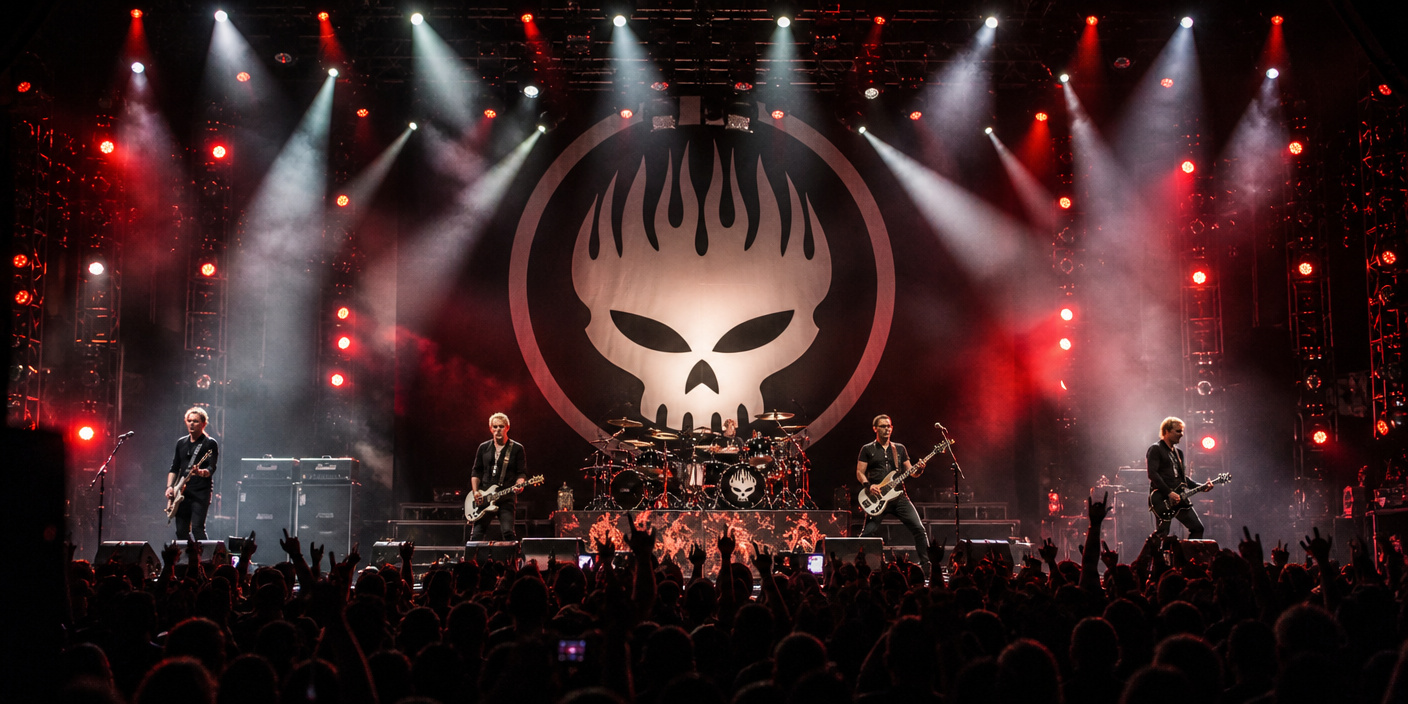
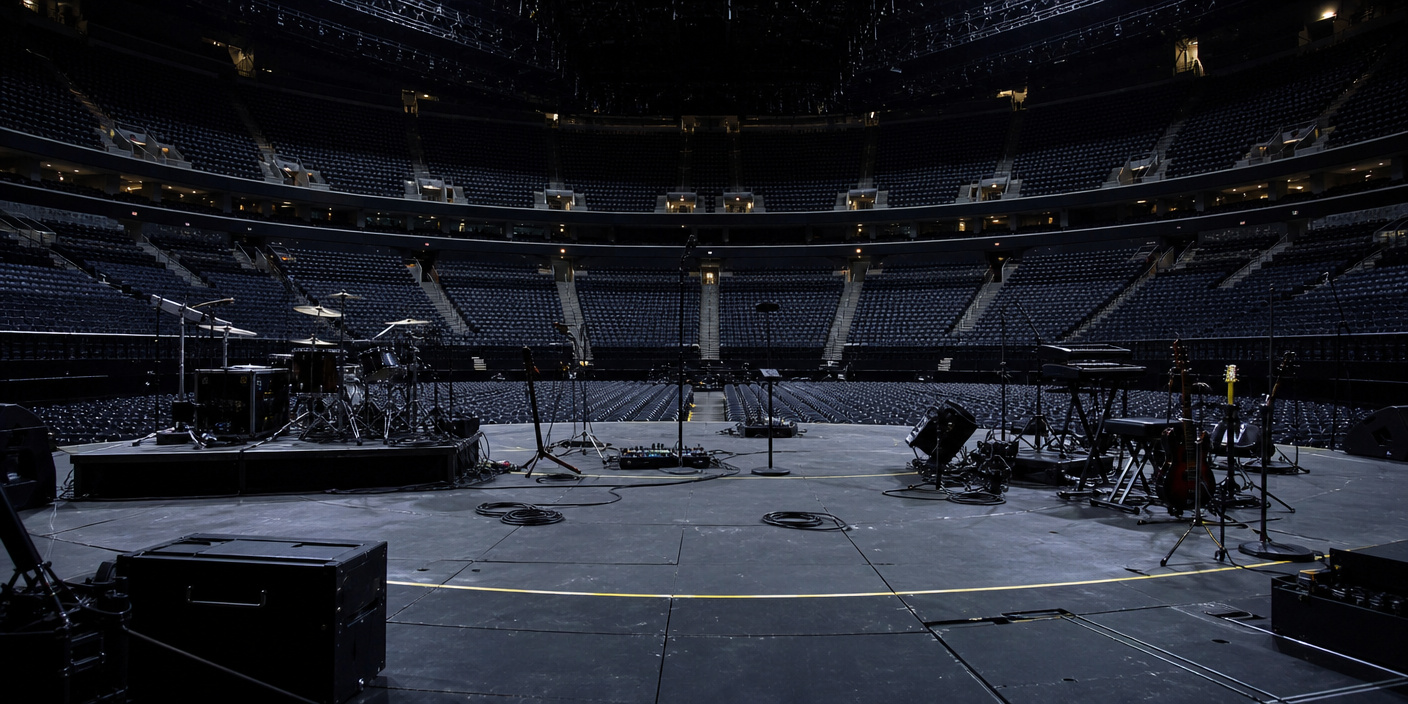
The modern concert tour is a logistical marvel, involving hundreds of personnel, tons of audio-visual equipment, and strict scheduling that traverses continents. When an artist like Harry Styles is forced to pull a date at the last minute, it is rarely due to a lack of preparation. Instead, it is often the culmination of intersecting crises. The entertainment industry, particularly Live Nation and other major promoters, operates on razor-thin margins of time. A single illness, a faulty piece of stage rigging, or a transport delay can create a domino effect that makes performing impossible.
The Human Factor in Professional Touring
While fans often view superstars through the lens of their performance output, the reality is that touring is an incredibly taxing endeavor. Vocal health, physical exhaustion, and the immense pressure of global travel are real constraints. When a cancellation occurs, it is frequently a decision made out of necessity rather than choice, designed to prioritize the long-term viability of the artist and the safety of the production crew. Understanding this requires a shift in perspective from viewing the artist as a commodity to recognizing the human constraints of the profession.
Digital Fallout and the Power of Social Media
In the age of X (formerly Twitter) and TikTok, a cancellation is no longer just a private issue between a venue and a ticket holder. It is an immediate global event. The ‘Love on Tour’ phenomenon, which saw Styles traverse the globe, created a hyper-connected fanbase that monitors every movement. When a show is cancelled, the digital fallout is instantaneous. Fans trade information, coordinate refunds, and often express grief or frustration in real-time. This digital ecosystem has forced touring companies to become more transparent and communicative, as they now operate under the constant scrutiny of millions of ‘online investigators’ who track every update and delay.
The Economic Ripple Effect
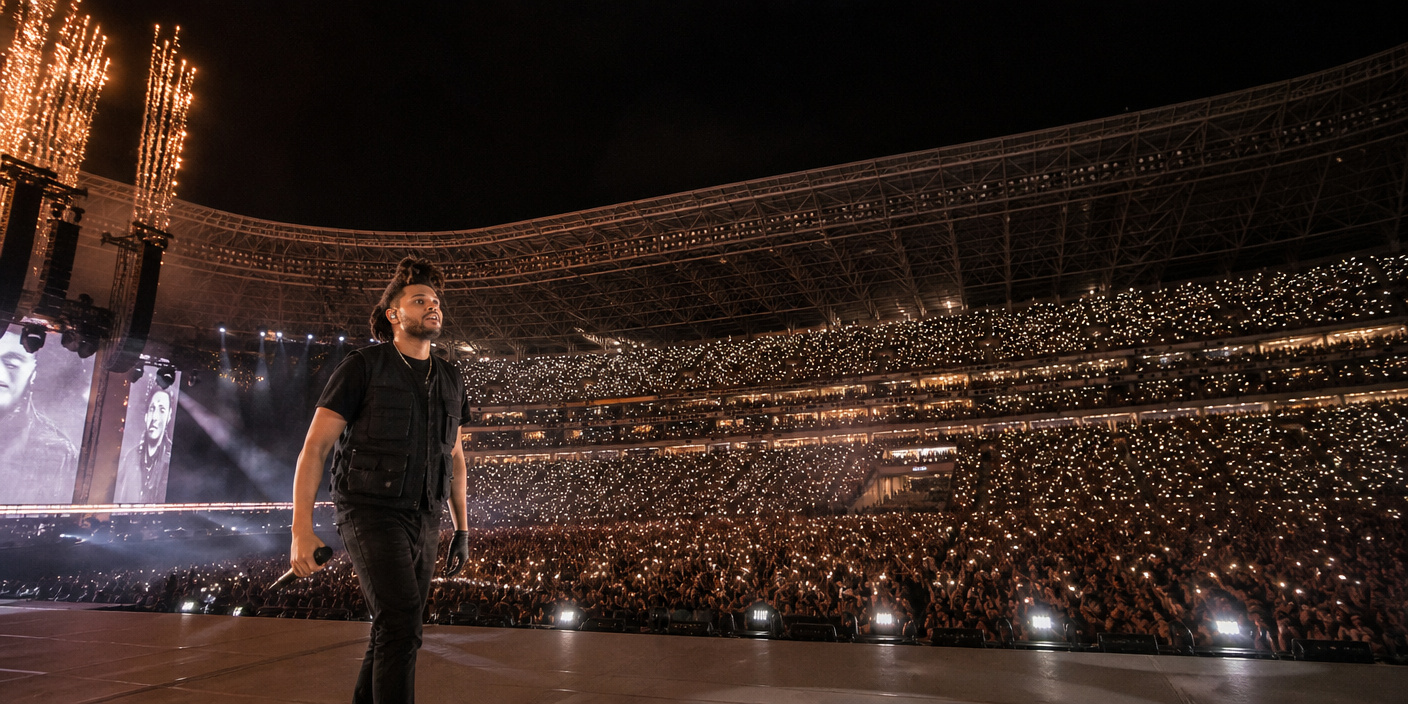
Beyond the frustration of the fans, the economic impact of a last-minute cancellation is substantial. A major artist performing at a stadium does not just sell tickets; they fuel a local ecosystem. Hotels in the immediate vicinity, local restaurants, ride-share services, and small businesses surrounding the venue all suffer when an event is pulled. The loss of revenue for these local entities is often an overlooked aspect of the cancellation narrative. Furthermore, the administrative burden on platforms like Ticketmaster to process refunds for tens of thousands of attendees adds a layer of bureaucratic complexity that extends the pain of the cancellation long after the tour has moved on to the next city.
Future Predictions: The Tech-Forward Tour
As we look to the future, the industry is likely to adopt more resilient, tech-forward approaches to touring. This might include ‘understudy’ protocols for major crew positions, more robust health monitoring systems for artists, and perhaps a shift towards regional hubs rather than gruelling global circuits. The volatility experienced by current tours is pushing promoters to rethink how they manage risk. Fans may eventually see more ‘reschedule-first’ policies that use AI-driven logistics to re-book venues and travel more efficiently when things go wrong, rather than outright cancellations.
FAQ: People Also Ask
What happens to my ticket when a concert is cancelled?
Generally, tickets are automatically refunded to the original payment method used during purchase. If the show is postponed, tickets are usually valid for the rescheduled date, though refund options are typically offered.
Why do superstars cancel shows at the last minute?
Reasons range from health issues (laryngitis, physical injury) to production-related safety concerns. Because stadium tours require massive staging setups, safety protocols are rigid; if conditions aren’t met, the show cannot proceed.
Does a cancellation hurt the artist’s reputation?
Surprisingly, modern fanbases are increasingly empathetic. While initial disappointment is high, social media discourse often pivots to support once the reason—especially if it involves health or safety—is communicated clearly.
What can fans do to prepare for potential cancellations?
Experts recommend purchasing travel insurance for concert trips, staying updated on official channels via email alerts, and having flexible accommodation plans if traveling from out of town.