Artificial intelligence is no longer a futuristic concept in music; it’s a present-day reality impacting the charts and demanding adaptation from songwriters. AI-generated music is achieving significant traction, raising questions about creativity, copyright, and the future role of human artists.
Key Highlights:
- AI-powered music is gaining popularity and chart presence.
- Songwriters need to understand and integrate AI tools into their workflow.
- Ethical and legal considerations surrounding AI music are paramount.
- The industry is exploring new models for collaboration between human and AI.
- AI can assist in various stages of music creation, from composition to production.
The Shifting Soundscape: AI’s Ascent in Music Creation
The music industry is witnessing a profound transformation as artificial intelligence moves from experimental labs into the mainstream. Tracks leveraging AI are not just emerging; they are charting, signaling a significant shift in how music is created and consumed. This burgeoning trend presents both unprecedented opportunities and complex challenges for songwriters, who must now navigate a landscape where algorithms can contribute to, or even spearhead, the creative process. The core of this evolution lies in AI’s ability to analyze vast datasets of existing music, identify patterns, and generate novel compositions that resonate with contemporary tastes.
Understanding AI’s Role in Composition
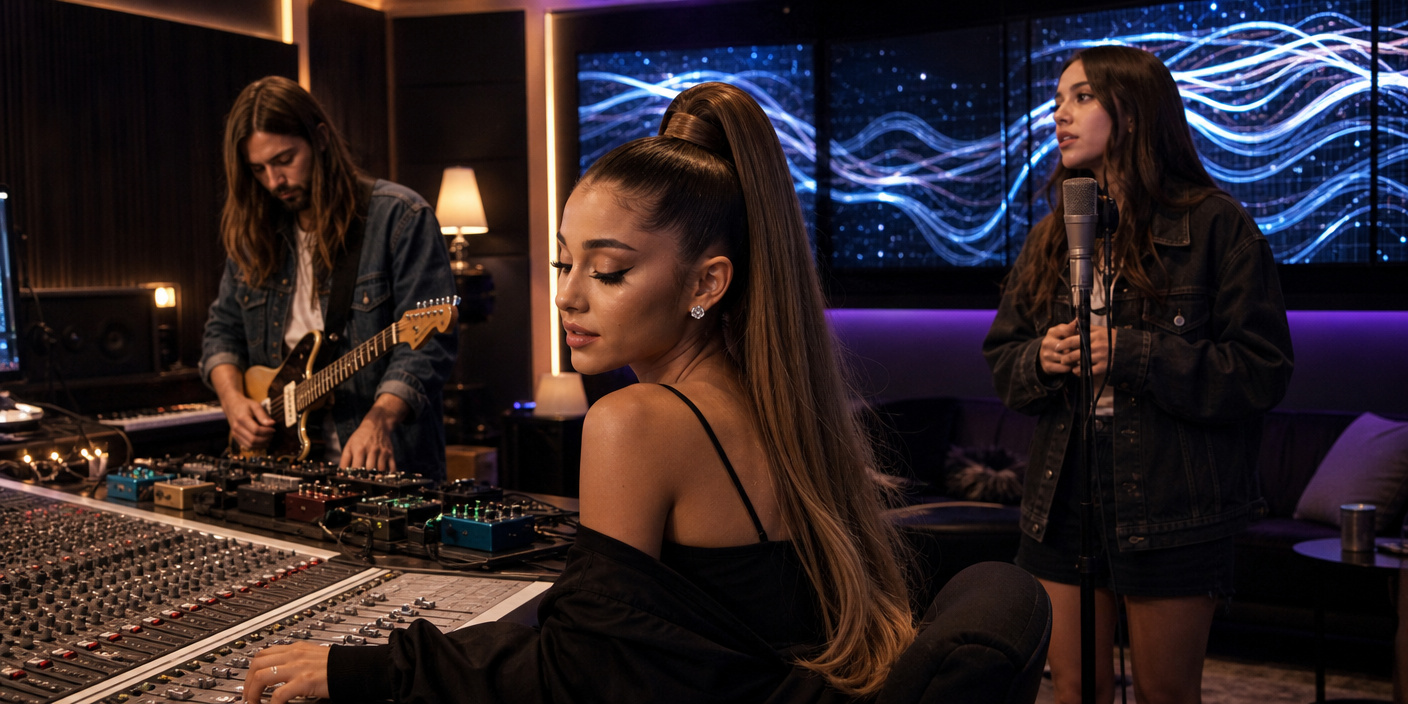
AI’s involvement in music creation spans multiple facets. Tools are being developed that can generate melodies, harmonies, and even complete song structures based on user-defined parameters. For songwriters, this can mean using AI as a collaborative partner to overcome creative blocks, explore new sonic territories, or accelerate the production process. For instance, AI can suggest chord progressions or lyrical themes that a human songwriter might not have considered. Services like Amper Music, Jukebox by OpenAI, and Google’s Magenta project are at the forefront of this technological wave, demonstrating AI’s growing sophistication in mimicking and innovating musical styles.
Navigating the Ethical and Legal Labyrinth
The rise of AI music is not without its controversies. Questions surrounding copyright ownership are particularly complex. When an AI generates a song, who owns the rights – the developers of the AI, the user who prompted it, or is it public domain? The legal frameworks are still catching up to the technology, leading to uncertainty and potential disputes. Furthermore, ethical debates arise concerning the devaluation of human artistry and the potential for AI to flood the market with generic, algorithmically optimized content. Ensuring fair compensation and intellectual property protection in this new era is a critical concern for artists’ rights organizations and the industry at large.
The Future of Songwriting: Collaboration, Not Replacement
Despite the anxieties, many industry experts believe that AI’s role will be that of a powerful assistant rather than a complete replacement for human creativity. Songwriters who embrace AI tools are likely to gain a competitive edge. Learning to effectively prompt AI, curate its output, and integrate it seamlessly into their unique artistic vision will become an essential skill. This collaborative approach allows songwriters to harness the computational power of AI to augment their own talent, potentially leading to richer, more diverse musical outputs. The focus is shifting towards a hybrid model where human emotion, experience, and artistic intent guide the AI’s capabilities.
Economic Implications and New Revenue Streams
AI’s impact extends to the economic model of the music industry. The ability to generate royalty-free music at scale could disrupt existing licensing models. However, it also opens avenues for new revenue streams. AI-generated music might find applications in areas like background scores for independent films, video games, or digital content creation, where bespoke music is often needed quickly and affordably. The challenge will be to ensure that these new economic models do not undermine the livelihoods of human composers and performers but rather create a more inclusive ecosystem.
FAQ: People Also Ask
What are the main concerns songwriters have about AI music?
Songwriters’ primary concerns include job displacement, the devaluation of human creativity, copyright and ownership issues, and the potential for AI-generated music to saturate the market, making it harder for human artists to stand out and earn a living.
Can AI truly be creative?
This is a philosophical debate. AI can generate novel combinations of musical elements based on patterns learned from vast datasets. While it can produce aesthetically pleasing and even emotionally resonant music, whether this constitutes