As the fashion industry pivots toward the Fall/Winter 2026 season, the divide between heritage luxury and experimental, circular design has never been more pronounced. The latest campaigns, as highlighted in recent industry reports from outlets like NYLON, are moving away from the cold, detached aesthetics that dominated the early 2020s, favoring instead a deeply personal, mood-driven storytelling approach. From the cinematic, downtown-cool aura of Chloë Sevigny to the youth-focused, sustainability-first energy of Coachtopia’s partnership with musician Flowerovlove, the message for F/W 2026 is clear: who is wearing the clothes matters just as much as the clothes themselves.
Key Highlights
- The Return of the Muse: Chloë Sevigny headlines a F/W 2026 campaign that emphasizes enduring personal style over fleeting micro-trends, cementing her status as the definitive fashion muse.
- Circular Luxury Gains Traction: Coachtopia, the brand’s circular sub-label, deepens its commitment to sustainability with a new campaign featuring Flowerovlove, bridging the gap between high-end accessories and Gen Z activism.
- Mood-Based Marketing: Brands are shifting away from seasonal “themes” toward “moods,” encouraging consumers to select pieces that reflect their personal emotional state rather than a top-down trend report.
- Strategic Casting: The selection of talent like Flowerovlove signals a continued prioritization of musicians and creators who offer authentic, non-traditional narratives over standard professional models.
The Shift to Authentic Narrative-Driven Fashion
The F/W 2026 season marks a departure from the “quiet luxury” fatigue that dominated previous cycles. In its place, we are seeing the rise of the “Authentic Muse” era—a strategy that relies on the established, recognizable ethos of specific cultural icons to sell products. This isn’t merely about celebrity endorsement; it is about embedding a brand within the existing, well-documented life and aesthetic of a public figure.
The Chloë Sevigny Effect: Permanence in Fashion
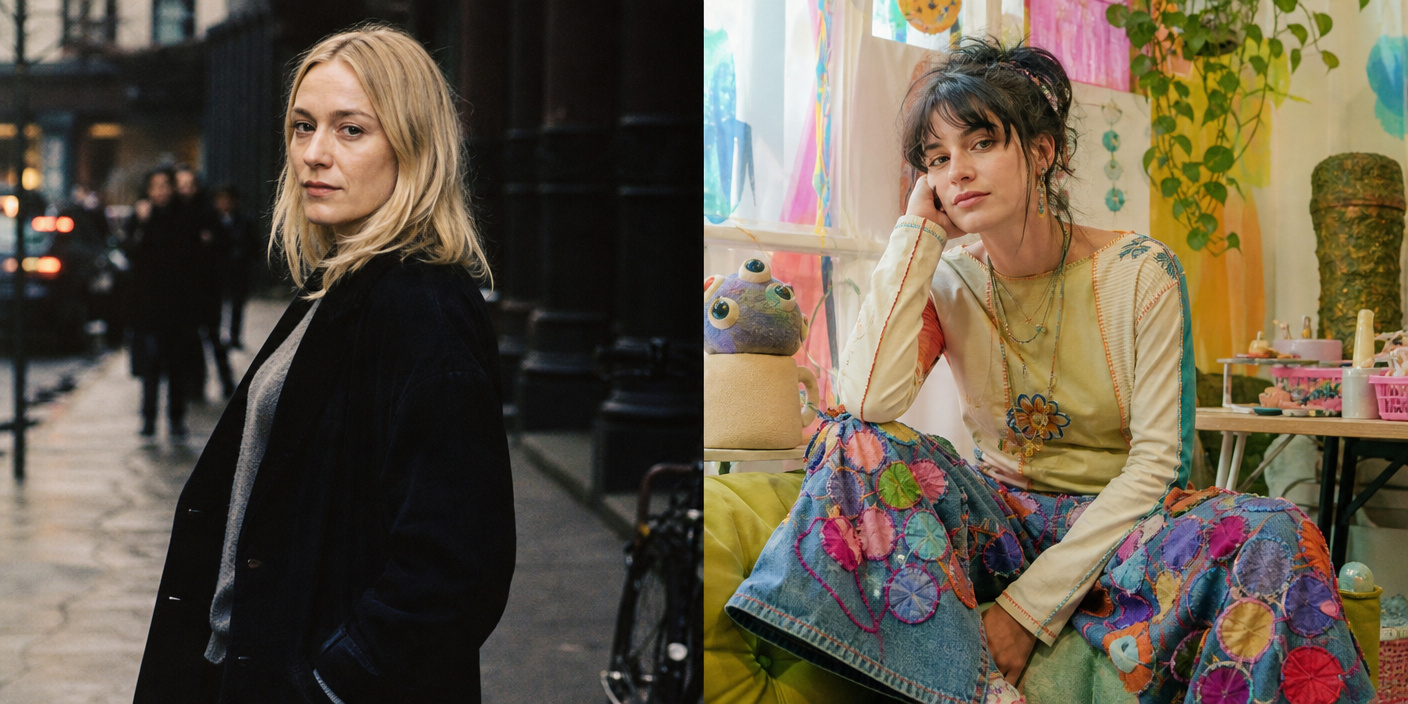
Chloë Sevigny’s latest appearance in the F/W 2026 campaign cycle serves as a masterclass in brand continuity. Unlike many luxury campaigns that seek to reinvent a star with each passing season, the Sevigny-fronted creative for this collection leans into the narrative she has cultivated for decades: the downtown, effortlessly cool, slightly subversive New Yorker. By leaning into her existing image rather than creating a new one, the campaign achieves an immediate sense of trust with the consumer.
This approach speaks to a larger psychological trend in the 2026 market: consumers, fatigued by the rapid churn of algorithm-driven micro-trends, are gravitating toward “timeless” markers. Sevigny represents a stabilizing force in an industry that feels increasingly volatile. Her presence in a campaign acts as a seal of approval, suggesting that the garments are not just for a season, but are wardrobe staples that hold value over time. This is a critical pivot, as the luxury sector attempts to combat the “fast-fashion” optics that have plagued mid-tier retailers for years.
Coachtopia, Flowerovlove, and the Circularity Mandate
On the other side of the spectrum, the collaboration between Coachtopia and singer Flowerovlove represents the industry’s aggressive push toward circularity and Gen Z engagement. While Sevigny represents the “heritage” side of the fashion coin, Coachtopia and Flowerovlove represent the “innovation” side. Coachtopia has consistently positioned itself as a laboratory for circular design, and by casting Flowerovlove, they are speaking directly to a demographic that prioritizes sustainability alongside aesthetic expression.
This campaign is not just about selling bags or apparel; it is about selling a mindset. Flowerovlove, known for her vibrant, eco-conscious perspective, acts as a bridge between the technical complexity of circular manufacturing and the aspirational, whimsical nature of modern streetwear. In our analysis, this is the most effective way to market sustainability—not through dry data sheets or overly clinical “green” imagery, but through the lifestyle of an artist who embodies the philosophy the brand claims to uphold. It turns circularity from a technical constraint into a creative advantage, proving that sustainability can be, and often is, more stylish than the alternatives.
The F/W 2026 Outlook: What Consumers Should Expect
Looking ahead, the tension between these two campaign archetypes—the “Heritage Muse” and the “Circular Creator”—will likely define the remainder of the year. We predict that more brands will attempt to find a middle ground, blending the established legacy of classic Hollywood or fashion-world figures with the grassroots, digital-first energy of internet-native musicians.
Economic indicators suggest that consumers are becoming more discerning with their discretionary spending. The success of these campaigns will ultimately be measured not by social media engagement, but by sell-through rates on high-margin, long-term items. The message from the F/W 2026 runways and marketing boards is unequivocal: the days of impersonal, high-gloss advertising are waning. The future belongs to brands that can effectively articulate a specific, nuanced, and authentic human perspective.
FAQ: People Also Ask
Q: Why are brands moving away from traditional models in F/W 2026?
A: Brands are finding that consumers now value authenticity and personal storytelling. By utilizing cultural figures who have established, loyal fanbases, brands can build deeper emotional connections with their target audience compared to the more detached, “blank canvas” approach of traditional professional modeling.
Q: What is “circularity” in the context of the Coachtopia campaign?
A: In fashion, circularity refers to a production model that focuses on keeping products in use for as long as possible, using recycled materials, and designing items to be easily disassembled or repurposed, thereby minimizing waste.
Q: Is Chloë Sevigny’s style considered “timeless” or “trendy” in this context?
A: Sevigny is positioned as “timeless”—she represents a specific, long-standing “downtown-cool” aesthetic that is viewed as resistant to the rapid cycles of viral internet trends, making her an ideal representative for long-term fashion investment pieces.
Q: Will this “mood-based” marketing approach replace traditional seasonal collections?
A: It likely won’t replace collections, but it is changing how they are marketed. Brands are realizing that consumers want to shop by “vibe” or “lifestyle” rather than rigid “summer” or “winter” categories, leading to more versatile, season-fluid marketing strategies.