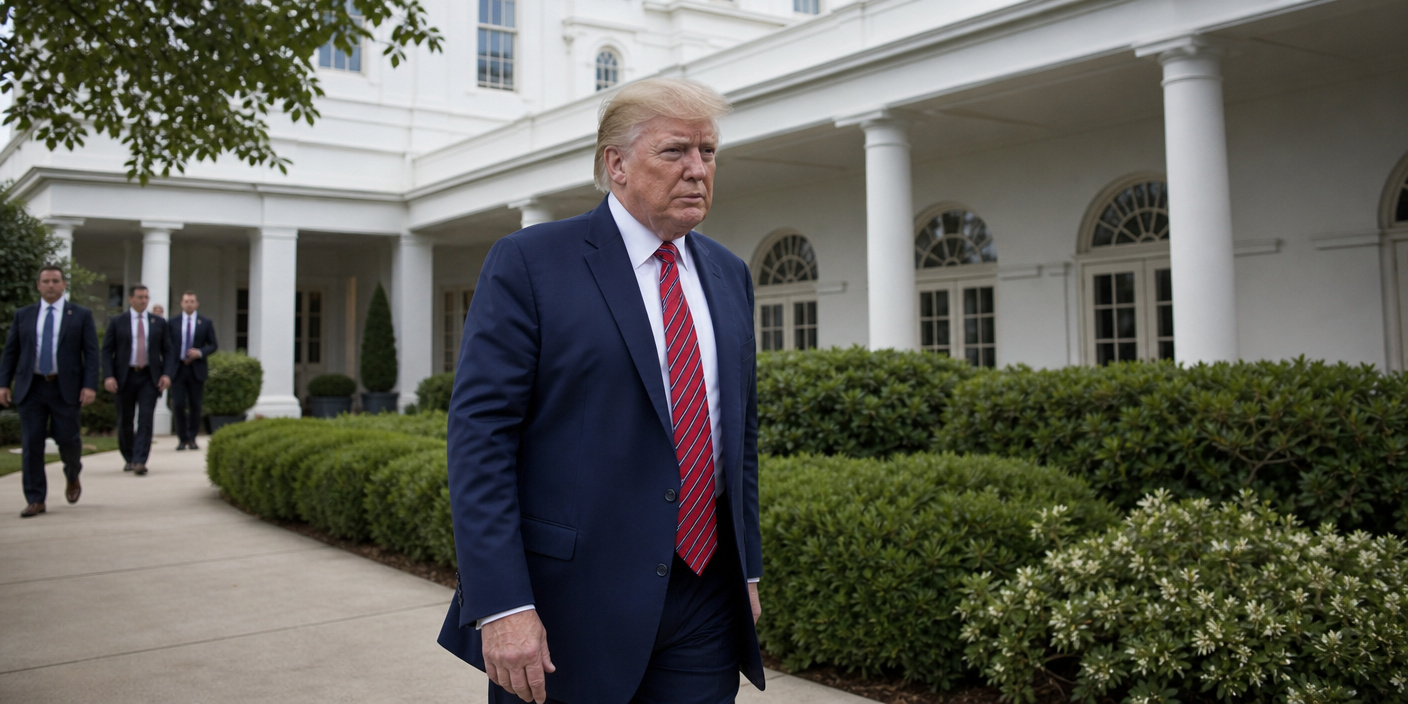
President Donald Trump has officially signaled a forthcoming “really historic” conference, scheduled to take place this Saturday at noon. The announcement comes on the heels of the President’s intensive 12-day diplomatic tour across the Indo-Pacific, which saw high-profile stops in China and the Philippines. This development has immediately ignited intense speculation among political analysts, market strategists, and international partners regarding the specific nature of the announcement and its potential to reshape domestic and foreign policy priorities. While the White House has kept the specific agenda under wraps, the timing of the event—occurring immediately upon his return—suggests a significant shift in legislative or diplomatic strategy that could have far-reaching consequences.
Key Highlights
- Diplomatic Marathons: The President’s 12-day tour covered five nations, focusing heavily on trade imbalances and regional security architecture.
- Unveiling the Agenda: The upcoming Saturday noon conference is billed as “really historic,” indicating a potential executive action or a major shift in trade policy.
- Indo-Pacific Relations: Key discussions in China and the Philippines are expected to form the backbone of the announced initiatives.
- Market Watch: Investors and financial analysts are monitoring the situation closely for signs of shifting tariff policies or new bilateral trade agreements.
The Aftermath of the Indo-Pacific Diplomatic Mission
The anticipation surrounding Saturday’s announcement cannot be decoupled from the intensity of the President’s recent travel. Over the course of nearly two weeks, the President engaged in critical meetings that touched upon the most sensitive nerve endings of the global economy: trade deficits, the manufacturing base, and North Korean nuclear proliferation.
Trade Strategy and the ‘China Factor’
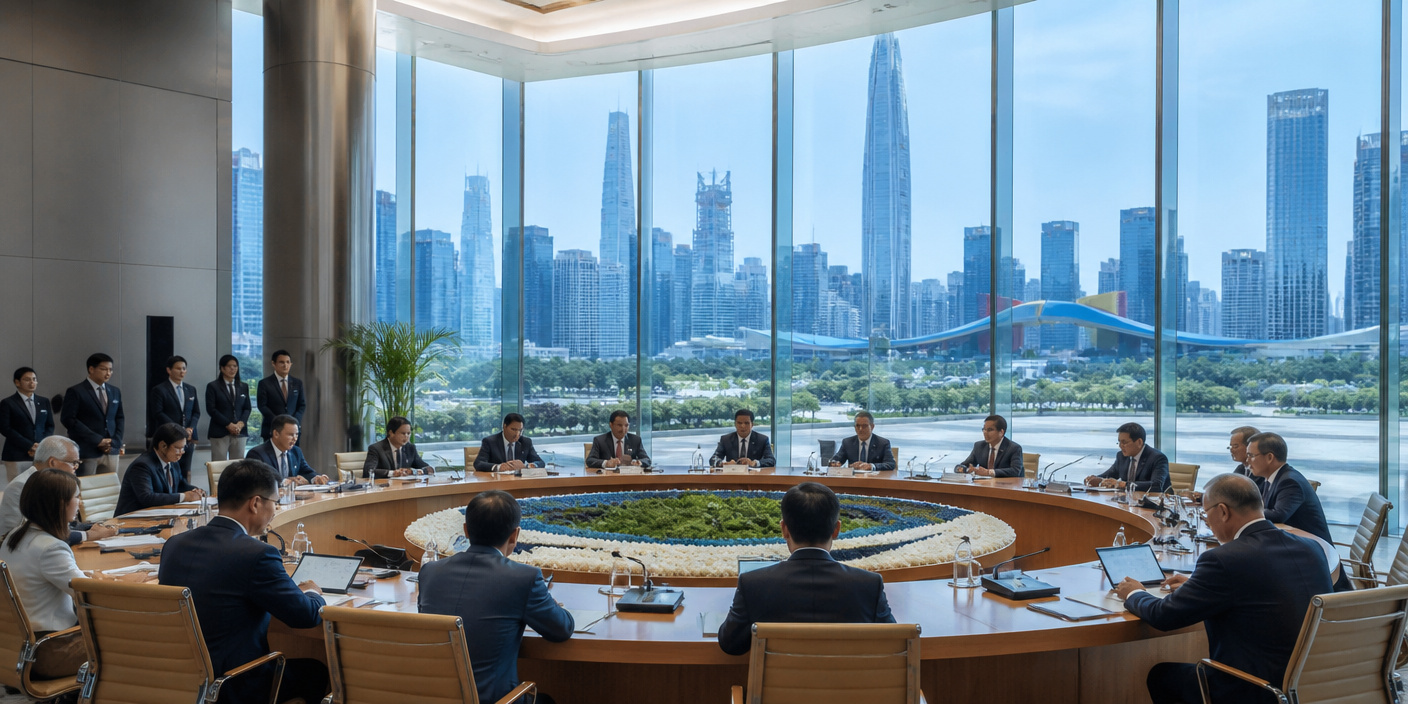
Central to the narrative of this trip was the complex relationship with China. Discussions in Beijing were framed by the administration as a critical opportunity to level the playing field for American workers. Observers are now looking to see if the promised “historic” announcement involves concrete regulatory changes or a new framework for trade enforcement. The President has frequently criticized previous administrations for allowing a widening trade deficit; therefore, any announcement regarding China will be scrutinized for details on intellectual property protections and market access. If Saturday’s event serves as a culmination of these negotiations, it may signal a more aggressive posture toward trade enforcement that could affect everything from consumer electronics to heavy industrial imports.
Regional Stability and the ASEAN Summit
Beyond trade, the geopolitical climate of the Pacific region—particularly the Philippines—remains a top priority. In Manila, the President’s participation in the ASEAN (Association of Southeast Asian Nations) summit focused on ensuring regional stability amidst growing maritime tensions. The diplomatic dance in the Philippines was characterized by the administration as a move to reassert American influence in a sphere that has seen significant strategic shifts over the past decade. Analysts suggest that the Saturday conference may outline a revamped security doctrine for the region, potentially involving increased military cooperation or strategic alliances designed to counterbalance external pressures.
The Messaging of ‘Historic’ Change
In the context of the President’s branding, the use of the term “really historic” is significant. Historically, this type of rhetoric is reserved for policy shifts that aim to fundamentally disrupt the status quo. Whether this involves a pivot toward domestic tax reform, a major infrastructure announcement, or an unprecedented deal reached with Asian counterparts, the administration is clearly setting the stage for a “big reveal.” By timing the announcement for a Saturday, the White House is ensuring that the news cycle remains dominated by the administration’s narrative, preventing the story from being buried in the typical noise of the mid-week political grind.
The Economic Impact of Diplomatic Posture
There is a broader economic angle to consider: investor confidence. Markets generally dislike uncertainty, but they often respond positively to decisive government action that clarifies the regulatory landscape. If the conference addresses the specific concerns of the business community—such as corporate tax rates or the easing of bureaucratic red tape—the potential market impact could be significant. The business community has been lobbying for a clear roadmap regarding trade and tax, and this “historic” conference could be the vehicle for those assurances. Analysts will be listening for any mention of long-term economic stability and whether the post-trip strategy includes a roadmap for sustained growth or if it is merely a tactical response to recent diplomatic pressures.
Future Predictions and Legislative Hurdles
Looking ahead, the success of whatever is announced on Saturday will depend on the implementation phase. A “historic” declaration is only as effective as the legislative or executive mechanisms that back it up. If the President announces a significant change in international trade, he will need the backing of the legislative branch to ensure that these policies are not only enacted but are sustainable in the long term. Critics may argue that a shift in rhetoric is not enough; the administration will need to demonstrate that its diplomatic efforts abroad are translating into tangible benefits for the American domestic economy. The weeks following this conference will likely be defined by the legislative wrangling required to turn these promises into policy, testing the strength of the administration’s political capital and its ability to deliver on campaign promises made years prior.
FAQ: People Also Ask
1. What does ‘historic’ usually imply in this administration’s messaging?
In this context, it typically signals a major shift in policy, a structural change to international trade agreements, or a significant executive action that deviates from established norms. It is a rhetorical tool used to build anticipation.
2. Is this announcement related to the trade imbalance with China?
While the White House has not confirmed the specific content, the timing immediately following the China visit strongly suggests that the topic of trade, tariffs, or bilateral market access will be a central pillar of the discussion.
3. How do these trips impact US foreign policy in the long term?
These diplomatic missions are designed to reestablish the United States’ presence in the Indo-Pacific region, countering external influence and setting the groundwork for security and trade alliances that define the administration’s “America First” foreign policy strategy.
4. Why is the conference held on a Saturday?
Scheduling high-profile events on weekends is a strategic communications tactic often used by the White House to capture the Sunday morning political talk show cycle, allowing the administration to set the narrative for the following week without competing with midweek legislative activity.