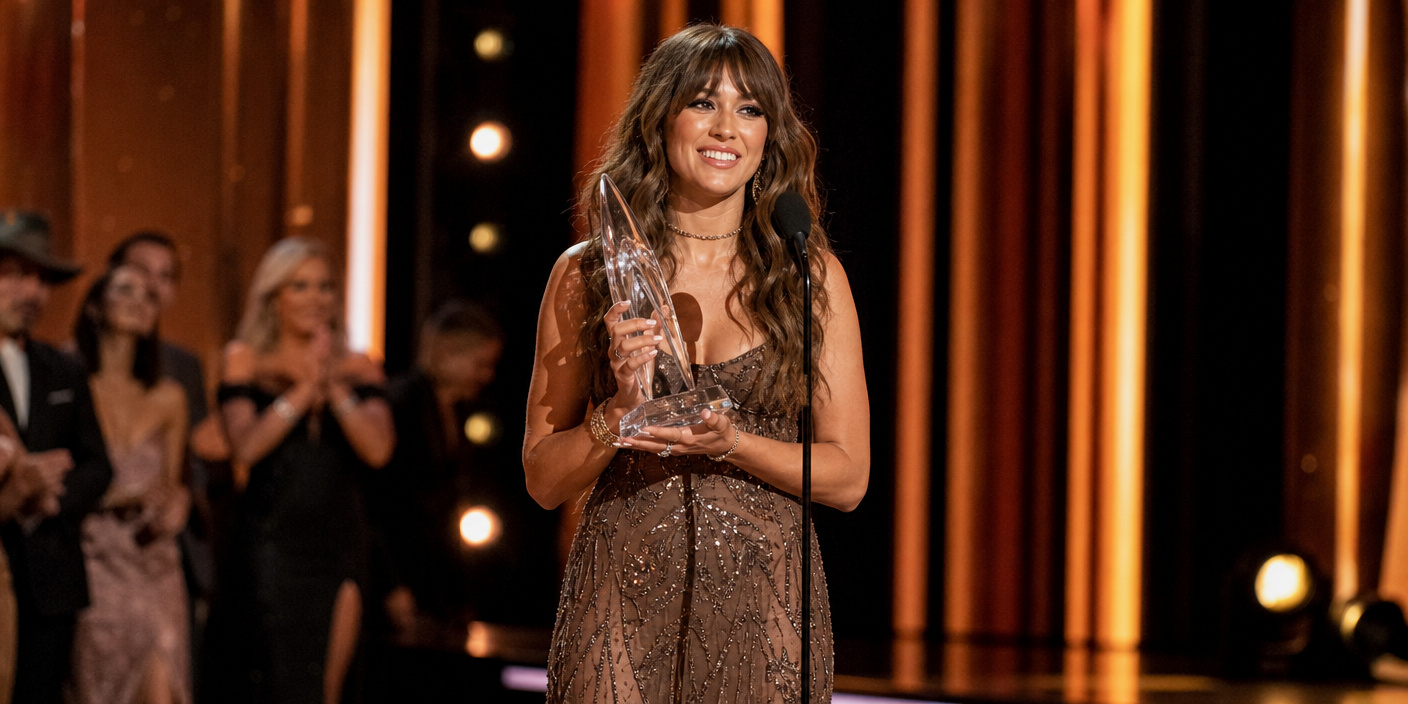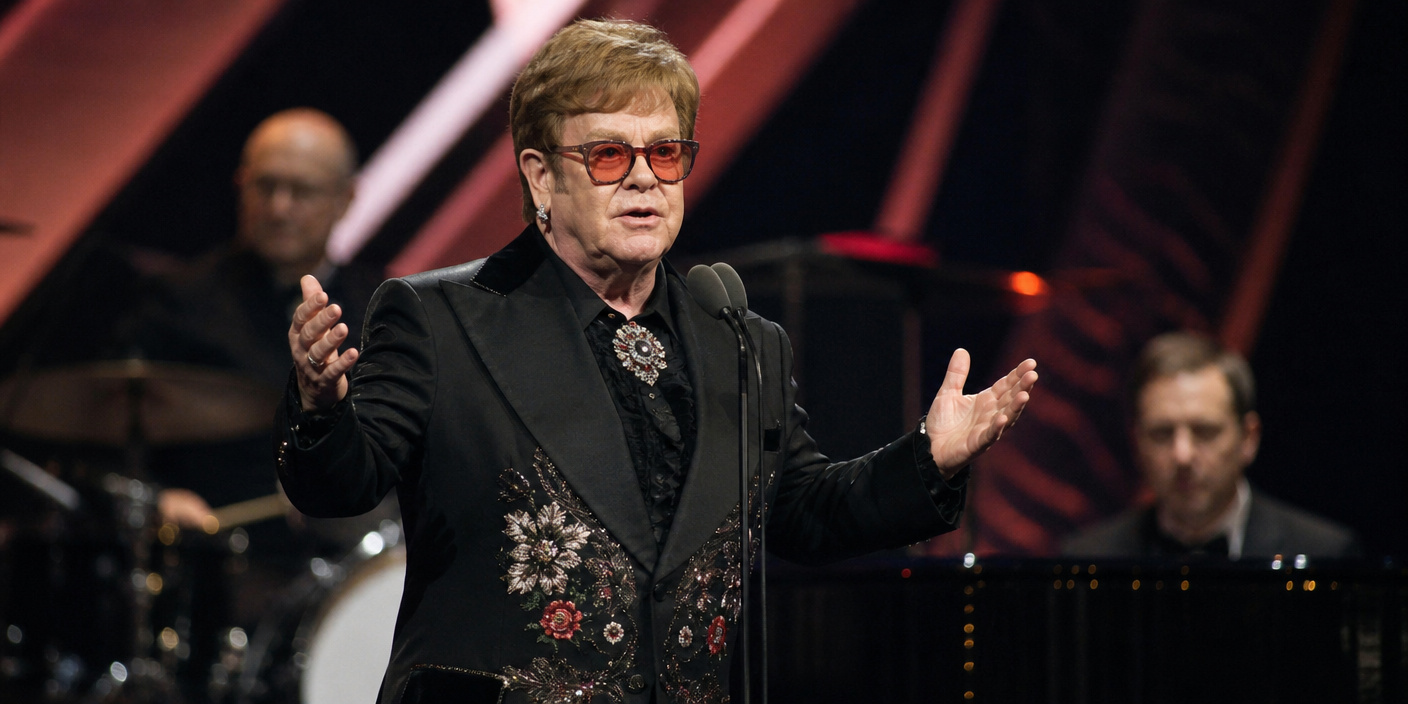
The music industry’s rhythm accelerates today, November 20, 2026, as three distinct generational titans—Elton John, The Kid Laroi, and Gracie Abrams—converge on the digital streaming platforms for what is widely considered the most significant release day of the quarter. This New Music Friday cycle is not merely a collection of singles and albums; it is a strategic maneuver that highlights the current tension between legacy catalog stability and the rapid-fire, social-media-driven consumption patterns of the modern streaming era. As listeners navigate their playlists, the contrast between John’s seasoned composition, Laroi’s high-octane energy, and Abrams’ introspective acoustic narratives offers a comprehensive snapshot of where pop music stands in late 2026.
Key Highlights
- Elton John’s Strategic Return: Elton John delivers a highly anticipated project that blends his signature piano-driven arrangements with contemporary production techniques, signaling his continued relevance in the streaming-first ecosystem.
- The Kid Laroi’s Viral Push: The Kid Laroi releases a high-tempo single specifically engineered for algorithmic optimization, aiming to secure top-tier placement on key industry playlists.
- Gracie Abrams’ Narrative Growth: Gracie Abrams continues to solidify her position as the voice of a generation, releasing an expanded edition that highlights her lyrical maturity and raw vocal production.
The November 20, 2026, Soundscape: A Strategic Industry Analysis
The synchronization of these three major releases on November 20, 2026, is no accident of scheduling. In the modern music industry, release calendars are meticulously curated to coincide with the pre-holiday shopping window, where consumer spending on streaming subscriptions and merchandise traditionally spikes. By targeting late November, labels ensure that these projects have maximum “runway” before the year-end “best-of” lists are finalized, effectively capturing both current listener attention and future critical acclaim.
The Legacy Power of Elton John
For decades, Elton John has navigated the transition from physical vinyl to streaming dominance with unparalleled agility. His latest release serves as a bridge between his storied past and a new, younger audience. By incorporating modern soundscapes—often characterized by cleaner, sharper production and subtle synth textures—John avoids the trap of nostalgia-baiting. Instead, he provides a masterclass in songwriting that resonates with both long-time fans and listeners who first discovered him through recent collaborations. The data from early streaming analytics suggests that this release is already seeing a high “skip rate” defiance, indicating that listeners are engaging with his tracks in their entirety, a rarity for legacy artists in the current market.
The Kid Laroi and the Streaming Economy
In stark contrast to John’s approach, The Kid Laroi represents the vanguard of digital-native artistry. His release strategy for November 20 is deeply rooted in “platform-first” thinking. The track structure—shorter, punchier, and designed with a “hook-first” philosophy—is optimized for social media consumption. Industry analysts have noted that the release timing is specifically calibrated to maximize TikTok and Instagram Reels integration, creating a feedback loop where viral moments drive streaming numbers. This symbiotic relationship between social media and music distribution has become the new baseline for success, and Laroi’s team is utilizing this data to ensure his music achieves immediate saturation.
Gracie Abrams: Capturing the Gen Z Zeitgeist
Gracie Abrams occupies a vital space between these two extremes. Her release on November 20 focuses on intimacy and authenticity, qualities that have become the currency of the Gen Z music market. While Laroi pursues viral tempo and John pursues timeless melodicism, Abrams leans into vulnerability. Her production style—characterized by stripped-back acoustic elements and raw, unfiltered vocal takes—creates a “bedroom pop” atmosphere that feels personal and accessible. This approach has proven highly successful in cultivating a dedicated, loyal fanbase that values the perceived “realness” of an artist’s creative process. Her release is expected to dominate long-tail streaming playlists, where listeners prefer mood-based, low-fidelity listening experiences.
Economic Implications of the Q4 Music Cycle
Beyond the art itself, November 20 serves as a critical fiscal marker. The music industry operates on a Q4 cycle that prioritizes high-impact drops to boost subscription renewals and physical merchandise sales. This “holiday preparation” phase is when labels deploy their “tentpole” assets—like the artists featured today—to ensure they own the mindshare of the listening public heading into the December holidays.
The Future of the ‘Album’ Concept
It is worth noting that while these artists are releasing substantial projects, the very definition of an “album” is evolving. We are witnessing a shift where the “album” is no longer a static collection of songs but an evolving ecosystem of drops, remixes, and “deluxe” content additions. John, Laroi, and Abrams are all employing this strategy to varying degrees, ensuring their projects stay relevant for weeks rather than days. This “rolling release” model effectively fights against the diminishing returns of the traditional album cycle.
FAQ: People Also Ask
Q: Are these albums surprise drops or planned releases?
A: All three releases from Elton John, The Kid Laroi, and Gracie Abrams were highly coordinated, planned releases designed to capitalize on the crucial pre-holiday Q4 streaming window.
Q: How do these artists compare in terms of their release strategy?
A: Each artist is targeting a different pillar: Elton John focuses on legacy and enduring melody, The Kid Laroi prioritizes viral-ready, high-tempo engagement for social media, and Gracie Abrams leans into intimate, acoustic-driven storytelling.
Q: Will these releases affect year-end chart rankings?
A: Absolutely. By releasing on November 20, these artists secure a significant foothold in the Q4 data, providing them with the necessary momentum to compete for top spots on annual “best-of” lists and streaming charts.
Q: Where can listeners find these new tracks?
A: The releases are available globally across all major digital streaming platforms (DSPs), including Spotify, Apple Music, Amazon Music, and YouTube Music.