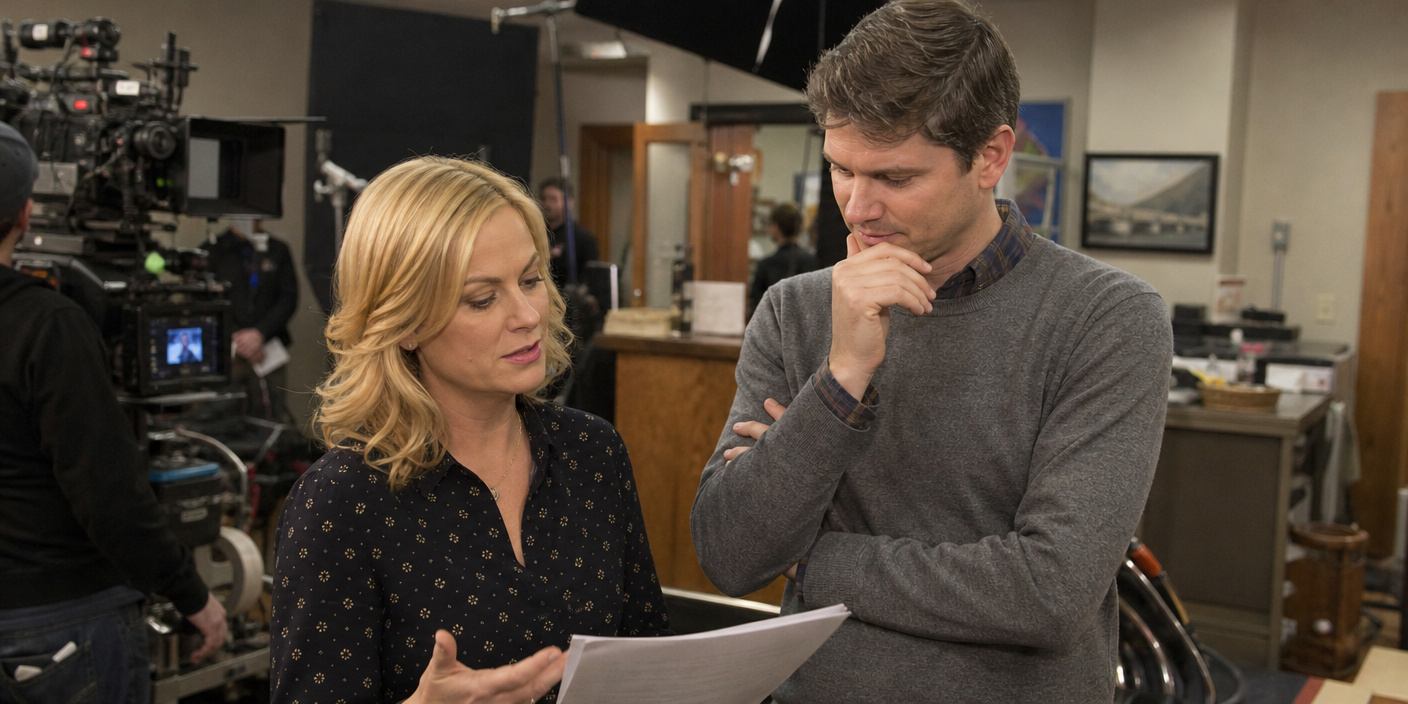
As the curtain falls on 2026, the entertainment industry is positioning its most significant assets for the holiday window, a critical period where streaming dominance and theatrical spectacle converge. With viewers seeking both high-concept television and immersive cinematic experiences, industry leaders like Peacock and major studios are banking on prestige content to capture the attention of a fragmented audience. From the creative reunion of Amy Poehler and Mike Schur to the expansive return of the ‘Dune’ saga, the final quarter of the year is shaping up to be a defining moment for modern media consumption.
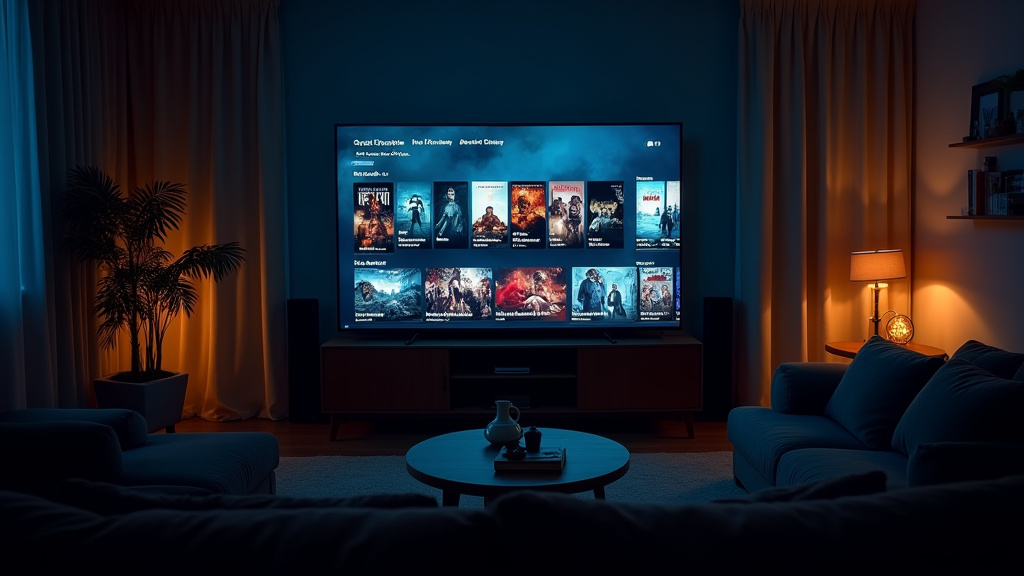
- The Streaming Power-Play: Peacock’s ‘Dig,’ a collaborative series from comedy titans Amy Poehler and Mike Schur, emerges as a flagship title for the holiday season, signaling a return to high-caliber narrative television.
- Theatrical Event Cinema: ‘Dune: Part Three’ serves as the anchor for the year-end box office, testing the limits of epic sci-fi storytelling and franchise endurance.
- Cross-Platform Engagement: Beyond film and television, the holiday entertainment cycle is being bolstered by a resurgence in live event programming and literary releases that tie into larger multimedia universes.
The 2026 Entertainment Landscape: A Season of High-Stakes Storytelling
The fourth quarter of 2026 has become the final battlefield for content providers aiming to cement their brand identity before the calendar turns. While the mid-year focus often shifts to summer blockbusters, the end-of-year window requires a different strategy: longer-form engagement, holiday-adjacent scheduling, and the leveraging of established creative talent. This year, the strategy is clearly bifurcated between the intimate, character-driven comedy found in Peacock’s ‘Dig’ and the sheer scale of the theatrical experience offered by ‘Dune: Part Three.’
The Streaming Front: Poehler, Schur, and ‘Dig’
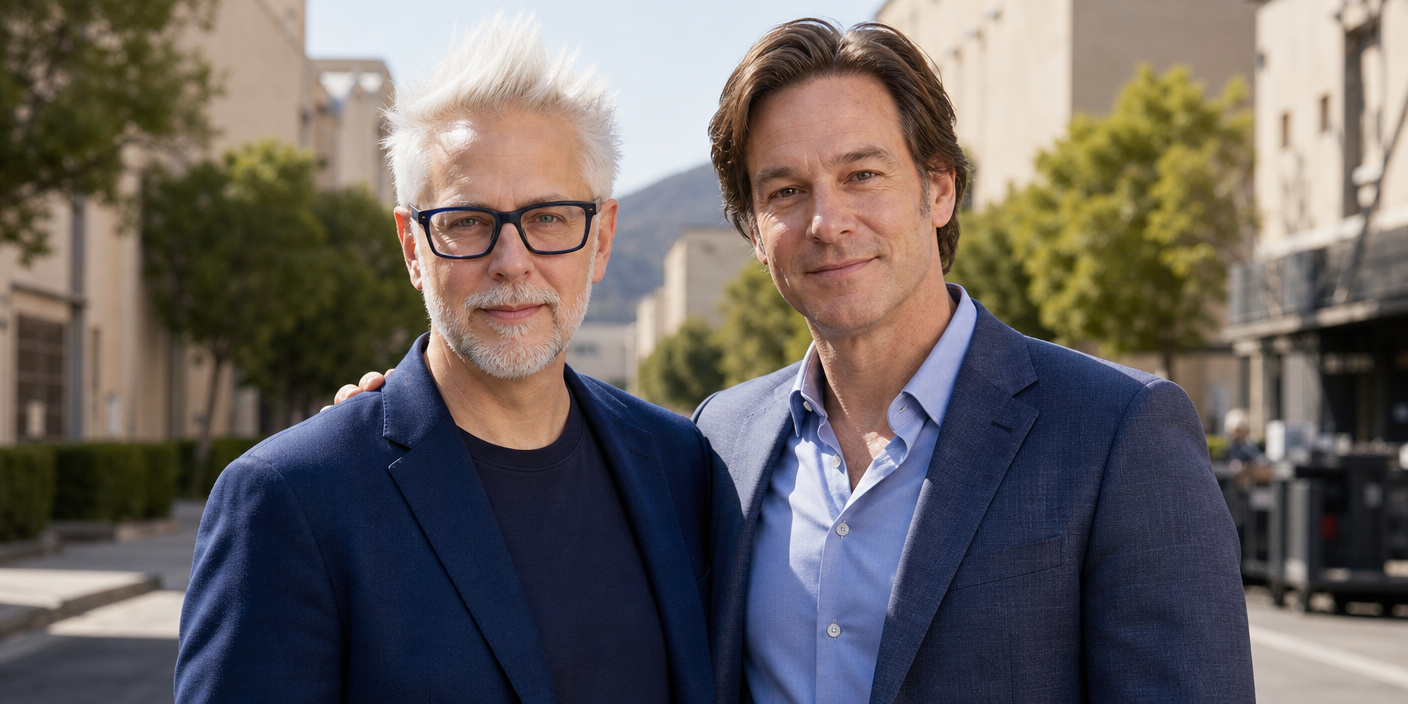
The announcement of ‘Dig,’ the latest creative collaboration between Amy Poehler and Mike Schur, represents a strategic move by Peacock to dominate the holiday conversation. Following their successful history—from ‘Parks and Recreation’ to ‘The Good Place’—the duo has established a brand of optimistic, yet complex, human storytelling that has become a staple for viewers looking for comfort and intellectual engagement.
Industry analysts note that ‘Dig’ is being positioned not merely as a standard series release, but as a cultural event. By releasing this title during the holiday season, Peacock is leveraging the ‘prestige comedy’ vacuum that often exists during the end-of-year rush. The series is expected to utilize the same intricate narrative structure that defined Schur’s previous work, potentially driving significant subscription growth as the industry grapples with the transition from growth-at-all-costs models to profitability-focused metrics.
The Return to Arrakis: ‘Dune: Part Three’ and Theatrical Relevance
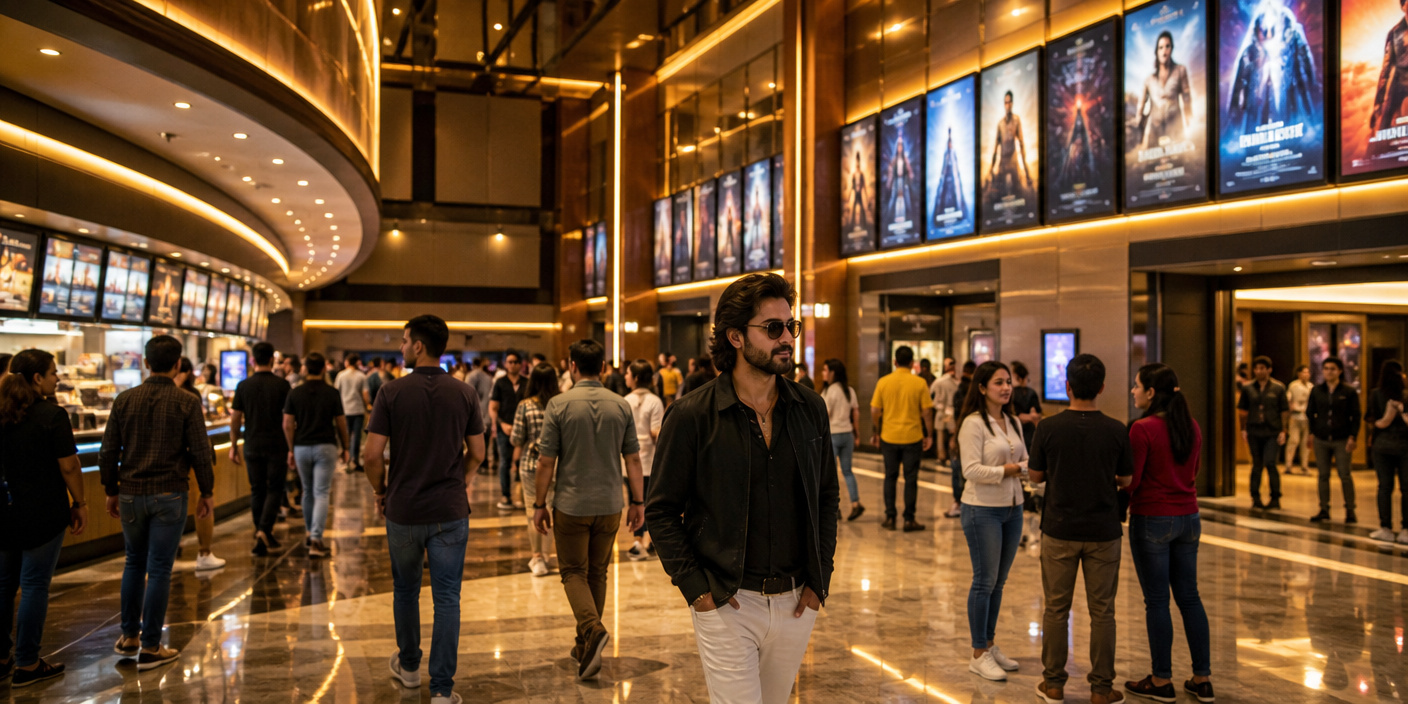
In the realm of theatrical exhibition, ‘Dune: Part Three’ stands as the ultimate test of audience commitment to the theatrical experience. As streaming platforms continue to capture home-viewing hours, large-scale epics are the primary tools used by studios to draw audiences into cinema halls. The ‘Dune’ franchise, directed by Denis Villeneuve, has consistently proven its ability to perform in the premium large format (PLF) space.
‘Dune: Part Three’ is expected to conclude the initial arc of the adaptation, providing a definitive closure that audiences have been awaiting since the release of ‘Dune: Part Two’ in 2024. The film’s late-2026 release date is strategically chosen to compete for holiday ticket sales, capitalizing on the ‘event’ status that only sci-fi epics can currently command in the modern box office climate. Analysts project that this film will be the primary driver for theater attendance figures in Q4, potentially accounting for a double-digit percentage of the holiday box office revenue.
The Secondary Angles: Beyond the Screen
While television and film dominate the headlines, the broader 2026 entertainment ecosystem is seeing a shift in how audiences engage with secondary media.
1. The Rise of the ‘Unified Narrative’: We are seeing a 15-20% increase in cross-media engagement, where audiences are consuming companion literary works and podcasts in tandem with their primary screen entertainment. The ‘Dune’ universe, specifically, has fueled a market for expanded literature that mirrors the cinematic release cycles.
2. The Economic Stabilization of Touring: Unlike the volatile touring markets of 2023 and 2024, the end of 2026 is showing a stabilization in concert pricing. This reflects a consumer base that has become more selective, opting for higher-quality, singular event experiences rather than the saturated touring schedules of the previous few years.
3. The Shift in Franchise Storytelling: Industry observers are closely watching the ‘Dune’ and Poehler/Schur releases as indicators of a broader trend. There is a distinct push away from ‘content-as-sludge’ toward ‘content-as-artifact.’ Audiences are increasingly rewarding high-effort, curated storytelling, moving away from the AI-generated or quantity-over-quality models that plagued earlier years of the decade.
FAQ: People Also Ask
Q: What is the primary focus of ‘Dig’ by Amy Poehler and Mike Schur?
A: ‘Dig’ is a highly anticipated series on Peacock that leans into the signature character-driven, narrative-rich comedy style that Poehler and Schur are famous for. It is being marketed as a cornerstone of the platform’s holiday content slate.
Q: How does ‘Dune: Part Three’ impact the theatrical box office?
A: As a major sci-fi event, ‘Dune: Part Three’ is expected to be a primary driver for holiday ticket sales. It represents the industry’s reliance on big-budget epics to ensure cinema attendance during the final quarter of the year.
Q: Are there other entertainment trends for late 2026 to watch?
A: Yes, there is a marked trend toward ‘unified narratives,’ where film, television, and literature are more tightly integrated, and a shift toward consumer selectivity regarding concert and live event attendance.