The Evolving Landscape of Global Fashion
This week in the fashion industry, the spotlight oscillates between the disruptive potential of Ye (formerly Kanye West) and his plans to rejuvenate the Yeezy brand, and the refined, artisanal ascent of Kartik Research as the label prepares for a prestigious showcase at Pitti Uomo. While global conglomerates grapple with the remnants of past partnerships—specifically Adidas’s continued liquidation of Yeezy inventory—the rise of independent, textile-focused brands signals a broader consumer shift toward craftsmanship and narrative-driven design. As Ye maneuvers through legal and brand identity hurdles, the industry watches closely to see if a Yeezy revival can succeed without the infrastructure of a corporate giant, even as newer players like Kartik Research capture the attention of high-end buyers in Florence.
Key Highlights
- Ye’s Yeezy Ambitions: Reports indicate Ye is actively planning a strategic relaunch of the Yeezy brand, focusing on a Direct-to-Consumer (DTC) model to bypass traditional retail distribution channels.
- Kartik Research’s Global Stage: The New Delhi-based label is set for a landmark appearance at Pitti Uomo, the world’s most influential menswear trade show, marking a significant milestone for artisanal, upcycled fashion.
- Adidas Inventory Strategy: Adidas continues to strategically release its remaining Yeezy stockpile, balancing the potential for revenue recovery against the need to move past the controversial fallout of the original partnership.
- Market Divergence: The simultaneous news highlights a growing bifurcation in the fashion market: the continued dominance of high-profile, celebrity-driven cultural phenomenons versus the emergence of ‘quiet’ luxury centered on heritage craftsmanship.
The New Era of Independent and Legacy Fashion
The ‘YZY’ Revival: Navigating Independence
The narrative surrounding Ye and the Yeezy brand remains one of the most compelling soap operas in modern fashion history. Following the dissolution of the highly lucrative and highly controversial partnership with Adidas in 2022, the brand—and its creator—have existed in a state of flux. Sources familiar with Ye’s current operations suggest a concerted effort to rebuild the brand’s infrastructure from the ground up, utilizing a direct-to-consumer digital strategy that aims to remove the middleman.
This approach is not without significant risk. For years, the success of Yeezy was inextricably linked to Adidas’s supply chain, global manufacturing logistics, and massive retail footprint. To pivot to a self-sufficient model, Ye faces the Herculean task of rebuilding distribution, customer service, and manufacturing relationships. However, the brand’s core appeal—the stark, brutalist aesthetic and the cult-like devotion of its fanbase—remains potent. The question for investors and fans alike is whether the ‘Yeezy’ moniker can retain its cachet without the systemic support of a multinational sportswear titan. The potential revival represents a test case for whether personal brand equity can effectively compete against established corporate infrastructure in the luxury and streetwear space.
Kartik Research: The Artisanal Pivot
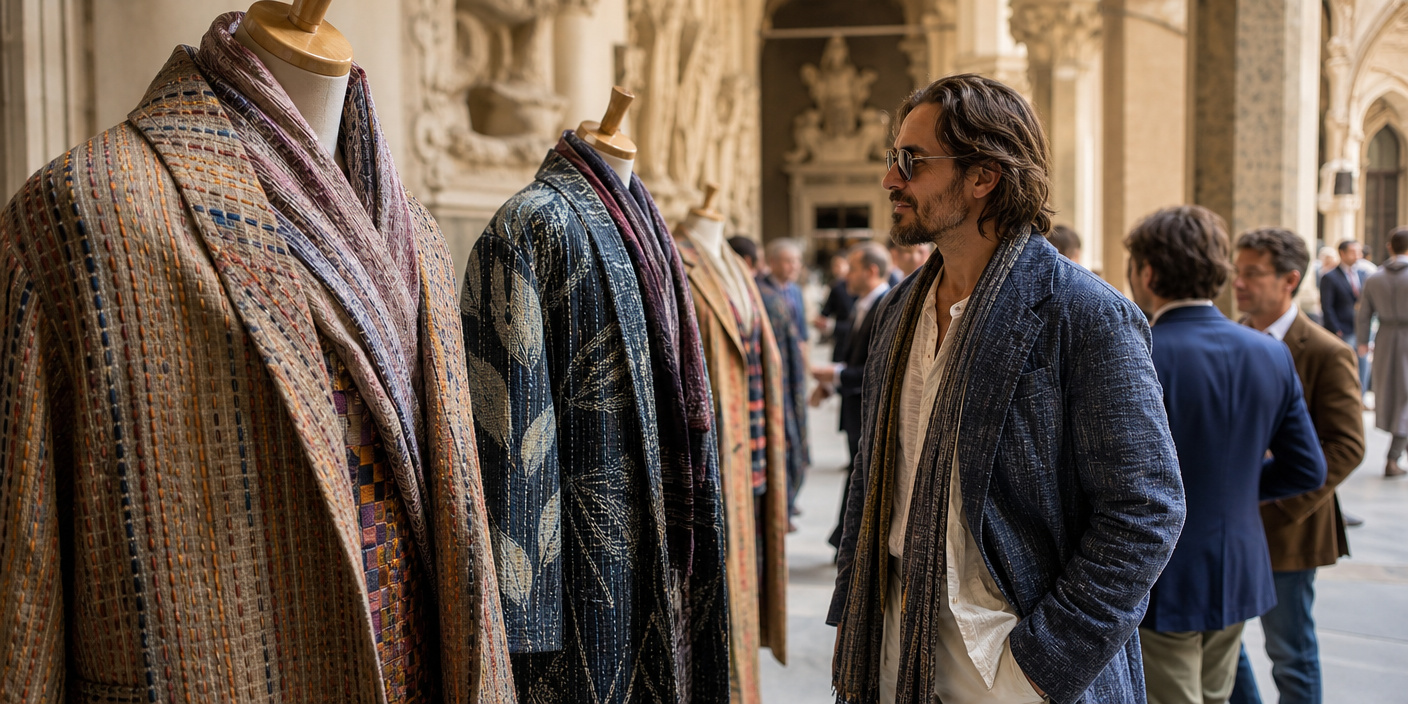
While Ye’s saga is about legacy and scale, the news of Kartik Research heading to Pitti Uomo represents the opposite end of the industry spectrum. Founded by Kartik Kumra, the New Delhi-based brand has garnered critical acclaim for its focus on Indian craftsmanship, specifically the use of vintage textiles, kantha embroidery, and hand-loomed fabrics.
Being invited to Pitti Uomo is widely considered the ‘Olympics’ of menswear. For a brand like Kartik Research, this is not just a trade show appearance; it is a validation of the global shift toward slow fashion. The brand’s identity is built on transparency, sustainability, and a deep respect for historical manufacturing techniques—a stark contrast to the mass-produced, hype-driven models that defined the last decade of streetwear. By positioning itself in the heart of Florence, Kartik Research is signaling that the next wave of high-fashion luxury will be defined by ‘human touch’ rather than automated manufacturing or celebrity endorsement alone.
The Adidas Dilemma: Liquidation and Legacy
Meanwhile, Adidas finds itself in a unique position. Having absorbed the initial shock of losing the Yeezy partnership, the company continues to manage the fallout through the slow, calculated liquidation of remaining stock. This strategy serves a dual purpose: it provides a buffer for the company’s bottom line while also slowly weaning the customer base off the brand. Each drop of remaining inventory acts as a closing chapter. Analysts observe that Adidas is clearly attempting to pivot its focus toward its core ‘Trefoil’ and ‘Performance’ categories, aiming to decouple its brand identity from the Yeezy association entirely. However, the enduring popularity of the silhouettes serves as a persistent reminder of the influence the partnership once held, and the challenge Adidas faces in filling that revenue void with sustainable, long-term product lines.
Comparative Analysis: The Macro Trends
When viewed together, these three storylines tell a larger story about the state of the fashion economy in 2024 and beyond. We are seeing a consolidation of the ‘Hype’ economy versus a surge in the ‘Craft’ economy. Ye’s path relies on the enduring power of celebrity influence and community loyalty. In contrast, brands like Kartik Research rely on the growing consumer desire for storytelling and provenance.
As the industry moves forward, the success of these ventures will be measured by their ability to adapt to a changing consumer base that is increasingly skeptical of ‘hype’ and increasingly hungry for products with a clear, tangible origin. The fashion world is currently watching to see if the titans of the past can retool, while the rising stars of the present define the new standard for what a luxury brand should look like in the modern era.
FAQ: People Also Ask
Q: Is the new Yeezy brand affiliated with Adidas?
A: No. The current and future iterations of the Yeezy brand are independent of Adidas. The partnership between Ye and Adidas was officially terminated in 2022, and any recent or upcoming Yeezy releases are either remaining legacy stock managed by Adidas or independent ventures led by Ye’s team.
Q: Why is the Kartik Research appearance at Pitti Uomo significant?
A: Pitti Uomo is the world’s premier menswear trade show. For an independent brand like Kartik Research to be featured, it signifies major industry recognition of their unique artisanal aesthetic—specifically their use of vintage Indian textiles—which appeals to top-tier global retailers and luxury buyers.
Q: How is Adidas handling the remaining Yeezy inventory?
A: Adidas has adopted a ‘controlled release’ strategy, periodically dropping remaining Yeezy footwear stock to consumers. This allows the company to recoup revenue from the inventory while gradually transitioning away from the product line without dumping it into the secondary market prematurely.
Q: What is the primary business model shift for Ye’s Yeezy revival?
A: Ye is shifting toward a strictly Direct-to-Consumer (DTC) model. This bypasses traditional retailers, allowing the brand to control the entire customer experience and margin, though it places the burden of logistics and supply chain management entirely on his internal team.