The music industry finds itself at a precarious crossroads this Saturday, October 10, 2026. As legendary acts mount comebacks that define the cultural zeitgeist, the corporate and legal infrastructure supporting these global spectacles faces unprecedented scrutiny. Today’s headlines are dominated by the intersection of rock and roll legacy, cybersecurity liability, and the urgent necessity of digital ethics in an era of artificial intelligence.
Key Highlights
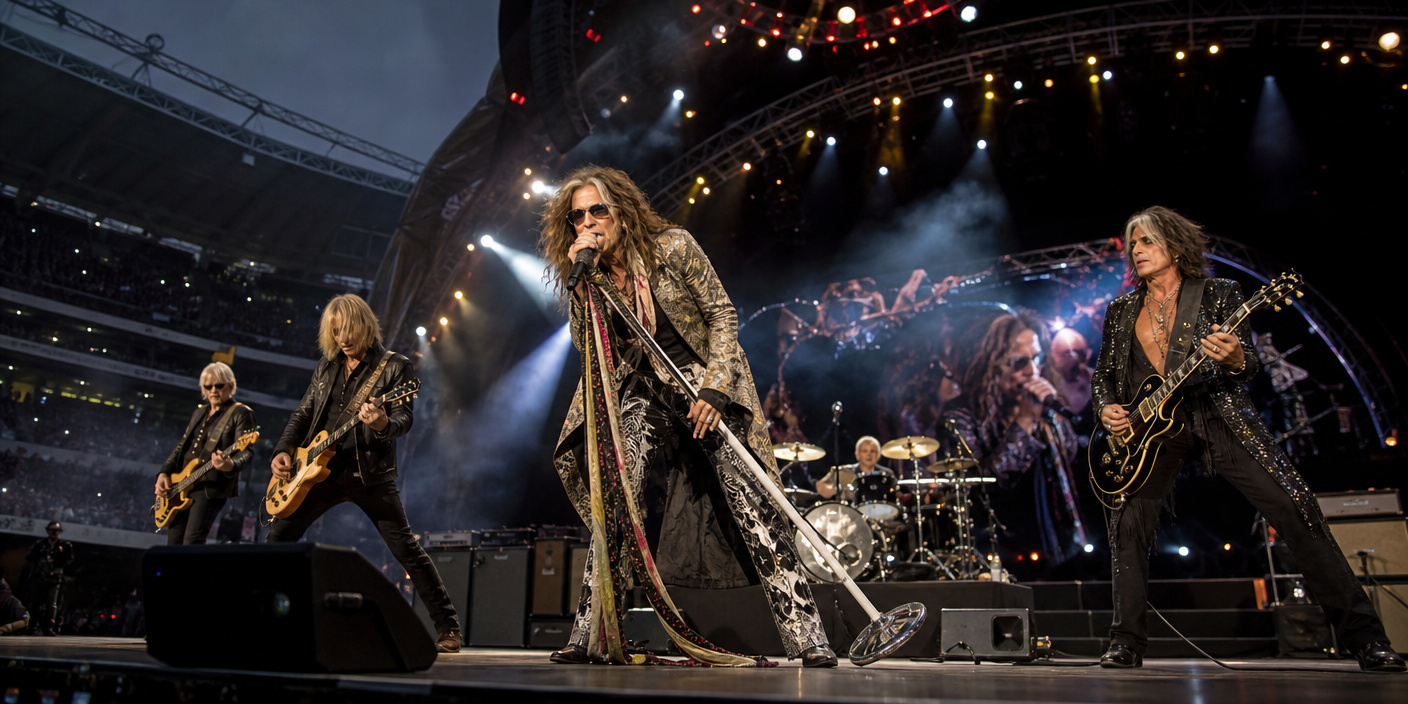
- Aerosmith’s Comeback: The ‘Bad Boys from Boston’ officially return to the stage, marking a significant turn for classic rock touring circuits.
- Live Nation Cybersecurity Crisis: Mounting legal pressure intensifies following a massive breach, forcing a sector-wide reckoning on data handling.
- Denmark’s AI Mandate: New international regulatory frameworks regarding deepfake technology are officially operational in Denmark, setting a precedent for artist copyright.
- Ian Hill Departs: Judas Priest bassist Ian Hill announces his retirement due to health concerns, ending a monumental 50+ year tenure with the heavy metal icons.
The Changing Tides of the Music Business
This Saturday serves as a microcosm for the modern music economy. While fans are celebrating the return of Aerosmith to the live circuit—a move that industry analysts predict will trigger a 15% spike in Q4 classic rock ticket sales—the underlying business mechanisms are under fire. The narrative of 2026 is no longer just about the performance; it is about the security of the platforms that sell the tickets and the legal protections afforded to the artists themselves.
The Aerosmith Revival and Touring Economics
The return of Aerosmith to the stage is more than a nostalgic event; it is a vital injection of energy into the post-pandemic touring landscape. For years, uncertainty regarding the band’s future had left a vacuum in the high-ticket stadium tour market. Their return represents a massive financial shift, moving millions in projected venue revenue and merchandising. As the industry watches, the success of these shows will be measured not just in ticket sales, but in the band’s ability to navigate the physical demands of modern stadium touring, setting a benchmark for other legacy acts currently considering similar returns.
The Live Nation Cybersecurity Reckoning
Conversely, the atmosphere surrounding Live Nation is increasingly tense. Following the cybersecurity breach that compromised millions of user records, the company is facing an avalanche of litigation. Legal experts suggest that the fallout from this breach will force a permanent change in how ticketing giants handle sensitive consumer data. The mounting legal pressure is not merely about potential fines; it is about the erosion of consumer trust. If Live Nation cannot prove that their data infrastructure is fortified against future intrusions, we may see a significant migration of concert-goers toward decentralized or artist-direct ticketing platforms. The industry is currently waiting for the outcome of the impending class-action filings, which could establish a new legal precedent for ‘duty of care’ in digital music commerce.
Regulatory Shifts: Denmark’s Deepfake Stance
The international conversation regarding intellectual property took a sharp turn this week as Denmark implemented stringent new regulatory moves regarding deepfake technology. By targeting the unauthorized use of an artist’s likeness and voice, Denmark has moved to the forefront of the ‘Digital Integrity’ movement. This move is a direct response to the proliferation of AI-generated content that mimics established performers. For the music industry, this creates a complex compliance environment. Labels and management firms operating within the EU will need to navigate this new ‘Digital Identity’ framework, potentially limiting the use of synthetic vocalists unless explicitly licensed, thereby prioritizing human authorship over AI-generated alternatives.
The End of an Era: Ian Hill and Judas Priest
Amidst the corporate and technological chaos, there is a profound human element: the retirement of Judas Priest bassist Ian Hill. Having been with the band since its inception, Hill is the only remaining founding member besides Rob Halford’s original cohorts. His retirement, necessitated by health concerns, marks the end of a half-century-long chapter for the heavy metal pioneers. Hill’s departure invites a retrospective look at the evolution of heavy metal and the sheer endurance required to maintain a career that spans over five decades. While the band plans to continue, the absence of Hill’s steady, consistent rhythm will be felt deeply by the ‘Priest’ faithful worldwide. It is a reminder that even the most enduring titans of rock are ultimately subject to the passage of time.
FAQ: People Also Ask
Q: What is the main driver behind the new Danish deepfake regulations?
A: The regulations are designed to protect ‘Digital Personality Rights,’ ensuring that an artist’s voice and likeness cannot be exploited by AI models without explicit, verifiable consent from the rights holder. It is a proactive legislative response to the potential for misinformation and copyright infringement in the music space.
Q: How will Ian Hill’s retirement affect Judas Priest’s future tour schedule?
A: While the band has confirmed they will continue, they have yet to announce a permanent replacement for the rhythm section. Fans should expect a transitional period as the band navigates this significant internal shift, with updates on their 2027 touring plans expected later this year.
Q: Is the Live Nation lawsuit related to ticket pricing or data security?
A: The current mounting legal pressure is centered almost exclusively on the cybersecurity breach. While pricing remains a perennial point of contention for fans, the legal entities are currently prioritizing the systemic failures that led to the exposure of personal financial data and customer profiles.
Q: Why is Aerosmith’s return considered an ‘industry shift’?
A: Aerosmith represents one of the final ‘legacy’ bands of their caliber. Their return signals to promoters and investors that there is still significant uncaptured value in the stadium rock market, encouraging further investment in legacy acts rather than solely focusing on emerging digital-native pop stars.