Los Angeles is poised for a significant cultural surge on September 13, 2026, as the city’s storied amphitheaters host two of contemporary music’s most vital voices. Whether you are navigating the historic curves of the Hollywood Bowl or the intimate, wooded embrace of the Greek Theatre, the night promises a confluence of indie-rock storytelling and evocative alternative soundscapes. This guide serves as your comprehensive resource for navigating the logistics, atmosphere, and cultural significance of a night that highlights the very best of the Southern California live music scene.
Key Highlights
- Lucy Dacus takes the stage at the iconic Hollywood Bowl, bringing her acclaimed songwriting to one of the world’s most famous outdoor venues.
- Ryan Beatty performs at the historic Greek Theatre, offering fans an intimate look at his evolving sonic landscape.
- City-wide logistics: Concertgoers are advised to utilize rideshare services or public transit as parking facilities at Griffith Park and the Hollywood Hills are expected to reach maximum capacity.
The Symphony of Sound: A Tale of Two Venues
The evening of September 13, 2026, is not merely a collection of concerts; it is a testament to the distinct acoustic and atmospheric identities of Los Angeles’ premier performance spaces. The city has long been defined by its relationship with outdoor entertainment, and this specific date showcases the spectrum of the LA music experience.
The Hollywood Bowl: An Indelible Stage
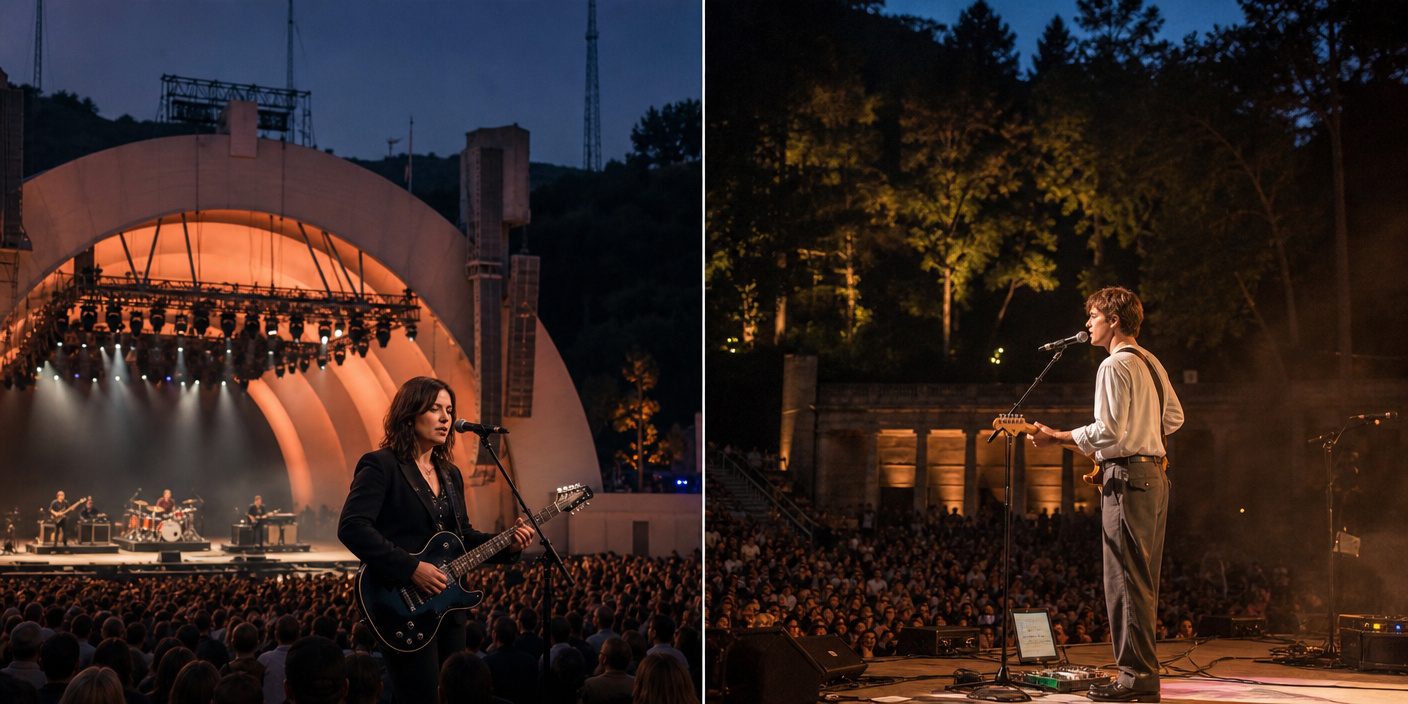
The Hollywood Bowl remains the beating heart of LA’s live music scene. For Lucy Dacus, performing here is a career milestone that underscores her ascent from the indie circuit to stadium-level artistry. The venue, which first opened its doors in 1922, provides a unique challenge and opportunity for artists: the ability to fill a 17,500-seat amphitheater while maintaining the emotional intimacy inherent in Dacus’s discography. Fans attending this show should expect a production design that utilizes the venue’s expansive canvas, potentially featuring light displays that play off the surrounding Cahuenga Pass hills. The Bowl’s open-air nature means that sound projection is precise, but local weather patterns in September can lead to cooler evening temperatures, making light layers a necessity for attendees.
The Greek Theatre: Intimacy Under the Stars
Contrasting the sheer scale of the Bowl, the Greek Theatre in Griffith Park offers a more contained, sylvan experience. Ryan Beatty’s performance here is perfectly situated for the venue’s architecture. Known for his ability to craft immersive, deeply personal sonic environments, Beatty will benefit from the Greek’s acoustics, which are often cited by sound engineers for their warmth and clarity. With a capacity of roughly 5,900, the Greek allows for a level of fan engagement that feels closer to a private session than a massive tour date. The challenge for attendees at the Greek is largely logistical; traffic congestion in Griffith Park can be significant, and early arrival is highly recommended to secure efficient transport connections.
The Economic and Cultural Pulse of September 13
Beyond the performances themselves, a night of this magnitude creates a measurable ripple effect across the Los Angeles economy. Music tourism in Southern California remains a critical driver for hospitality, with hotels and restaurants in the Hollywood and Los Feliz areas projecting a 15-20% increase in bookings for the weekend surrounding September 13, 2026.
Navigating the LA Concert Commute
For those planning to traverse the city between these venues, a word of caution: Los Angeles traffic does not pause for live music. The cross-town journey from the Hollywood Bowl to the Greek Theatre—or vice-versa—can vary wildly depending on the hour. The Los Angeles Department of Transportation (LADOT) typically manages traffic control for major venue events, but fans are encouraged to leverage the DASH Observatory bus line for Griffith Park access or dedicated rideshare drop-off zones, which are strictly enforced to minimize neighborhood disruption.
Evolving Trends in Touring
The choice of venues for artists like Dacus and Beatty reflects a shift in touring strategies. Artists are increasingly prioritizing acoustic integrity and the ‘vibe’ of a venue over mere capacity. By selecting venues with deep historical roots, these performers are curating an experience that ties their music to the physical landscape of Los Angeles, creating a ‘sense of place’ that modern, antiseptic arenas cannot replicate. This trend is expected to continue throughout the 2026 touring season as fans demand more experiential and Instagram-worthy concert backdrops.
FAQ: People Also Ask
1. What time do concerts typically end at the Hollywood Bowl and the Greek Theatre?
Most outdoor venues in Los Angeles adhere to a strict 11:00 PM curfew to comply with local noise ordinances in the surrounding residential neighborhoods.
2. Are tickets still available for Lucy Dacus or Ryan Beatty on September 13, 2026?
While secondary market tickets may fluctuate, primary box office allocations for high-profile shows at these venues generally sell out months in advance. Fans should check official venue websites or verified resale platforms immediately.
3. Can I bring food and drinks into the Hollywood Bowl?
Yes, the Hollywood Bowl maintains a long-standing tradition of allowing patrons to bring their own food and, for most concerts, wine and beer. However, check the specific show’s policies on the official venue website, as restrictions can change based on the performer.
4. What is the best way to get to the Greek Theatre if parking is full?
The Greek Theatre offers a satellite parking shuttle service from the Los Angeles Zoo, which is often the most reliable way to navigate the congestion within Griffith Park.