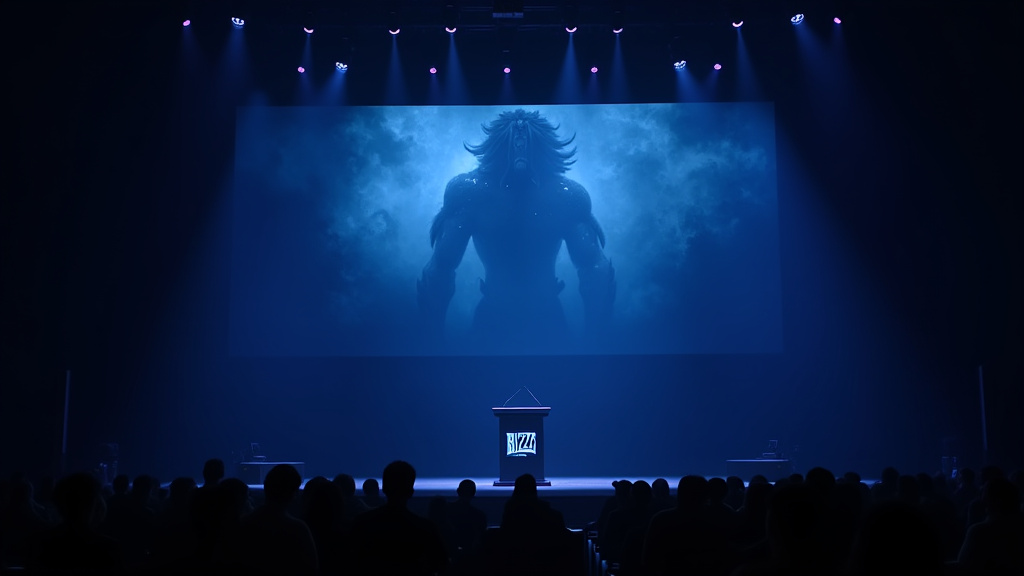
BlizzCon 2026 has officially opened its doors, marking a pivotal moment in the history of Blizzard Entertainment as the studio aggressively expands its intellectual property footprint beyond traditional gaming. In a high-stakes keynote presentation, leadership confirmed a strategic partnership with Netflix to produce an animated series set in the visceral, gothic universe of ‘Diablo.’ Furthermore, the studio finally ended years of speculation regarding the ‘StarCraft’ franchise, announcing a massive, open-world shooter currently in development and projected for a 2030 release.
Key Highlights
- Diablo Animated Series: Blizzard and Netflix have officially entered production on an original animated series set within the ‘Diablo’ universe.
- StarCraft Returns: An all-new, open-world shooter set in the ‘StarCraft’ universe is in active development, with a targeted release window of 2030.
- Strategic Pivot: The announcements signal a significant shift toward transmedia storytelling, aiming to keep legacy franchises relevant through streaming and genre-bending gameplay experiences.
- Long-Term Roadmap: The 2030 release window for the new ‘StarCraft’ project indicates a long-term, high-budget development cycle aimed at revitalizing the brand for a new generation of players.
A New Era of Blizzard Entertainment: Transmedia and Evolution
The atmosphere at BlizzCon 2026 was electric, signaling a departure from the studio’s traditional, iterative update model toward a broader, more diversified entertainment ecosystem. By leveraging the ‘Diablo’ franchise for a streaming series, Blizzard is following a proven industry trend of converting high-fidelity game lore into premium television content. This is a critical strategic move; as gaming audiences grow, the demand for deeper, narrative-driven experiences that exist outside the interactive medium has never been higher.
The Diablo Netflix Adaptation: Expanding the Sanctuary
The confirmation of a ‘Diablo’ series on Netflix is arguably the most significant announcement regarding the studio’s intellectual property management. The ‘Diablo’ series has always been praised for its dark, atmospheric world-building—the ‘High Heavens’ and the ‘Burning Hells’ provide a rich canvas for high-budget animation.
Industry analysts believe this move mirrors the success of other gaming-to-streaming crossovers. By working with Netflix, Blizzard is positioning its dark fantasy IP to compete with the likes of ‘Castlevania’ and ‘Arcane.’ The focus will likely remain on the eternal conflict between angels and demons, offering a more granular look at the lore that players have been interacting with since the original 1996 title. For Blizzard, this is not just an adaptation; it is a retention tool designed to keep the brand in the cultural zeitgeist between game expansions.
The StarCraft Shooter: A Bold Genre Pivot
For nearly a decade, fans of the ‘StarCraft’ franchise have clamored for a return to the Koprulu Sector. The announcement of an open-world shooter arriving in 2030 is both a dream come true and a massive technical challenge. Moving from the Real-Time Strategy (RTS) roots that defined the franchise to an open-world shooter format represents a complete overhaul of the ‘StarCraft’ identity.
This project, currently under wraps with no official title beyond the ‘StarCraft Shooter’ placeholder, suggests that Blizzard is looking to compete in the high-end, AAA extraction or open-world combat space. The 2030 timeline is telling—it suggests a four-to-five-year development cycle, which implies that this title is being built from the ground up on a next-generation engine, likely focusing on large-scale combat environments and deep, persistent multiplayer systems. This move is calculated to reach audiences who have moved away from the clicking-intensive nature of RTS games toward immersive, first-person action experiences.
Economic Impact and Market Positioning
Secondary angles of this announcement reveal the intense pressure on Blizzard to maintain high-value engagement across its core franchises. The gaming industry is currently seeing a consolidation of resources, where fewer, bigger games are expected to sustain companies over longer periods.
1. The Transmedia Pipeline: The move to Netflix suggests Blizzard is diversifying its revenue streams. By building an entertainment pipeline, they can mitigate the risks associated with the high cost and long development times of AAA games like the upcoming ‘StarCraft’ shooter.
2. The 2030 Gamble: Setting a release date four years into the future is a double-edged sword. It generates immediate hype for investors and shareholders, showcasing a long-term roadmap, but it also creates the risk of ‘development hell’ or changing market trends by the time the product launches. Blizzard is betting that the ‘StarCraft’ brand has enough dormant equity to wait out this cycle.
3. Genre Re-invention: By transforming ‘StarCraft’ into an open-world shooter, Blizzard is attempting to perform a ‘genre-shift’ similar to how other studios have successfully transitioned series from platformers to action-RPGs. The challenge remains maintaining the ‘feel’ of the Zerg, Protoss, and Terran conflict within a first-person perspective.
As we look toward 2030, the success of these initiatives will be judged not just on sales, but on how successfully Blizzard integrates these disparate media forms. The ‘Diablo’ series will need to set a benchmark for quality, while the ‘StarCraft’ shooter will need to prove that the strategy-heavy DNA of the franchise can survive the transition to a high-octane shooter format.
FAQ: People Also Ask
Q: What is the release date for the StarCraft shooter?
A: Blizzard has projected a 2030 release window for the new open-world ‘StarCraft’ shooter.
Q: Will the Diablo series be live-action or animated?
A: The official announcement confirmed it will be an animated series developed in partnership with Netflix.
Q: What is the main theme of the new StarCraft project?
A: While details are sparse, it is confirmed to be an open-world shooter, marking a shift from the series’ roots as a real-time strategy game.
Q: How does this change Blizzard’s development timeline?
A: The long-term projections (2030 for StarCraft) indicate that Blizzard is extending its development lifecycles to focus on high-fidelity, large-scale projects, likely aiming to maintain long-term player engagement.