The retail landscape is currently witnessing a distinct aesthetic shift as GS Shop successfully navigates the transition into the Fall 2026 season. By identifying the rising consumer appetite for tactile, sophisticated textiles, the retailer has placed a significant strategic bet on the ‘lace’ trend. This pivot has proven not only timely but highly lucrative, validating the company’s data-driven approach to merchandising and its ability to influence consumer behavior through high-impact live commerce broadcasts.
The Data Behind the Lace Renaissance
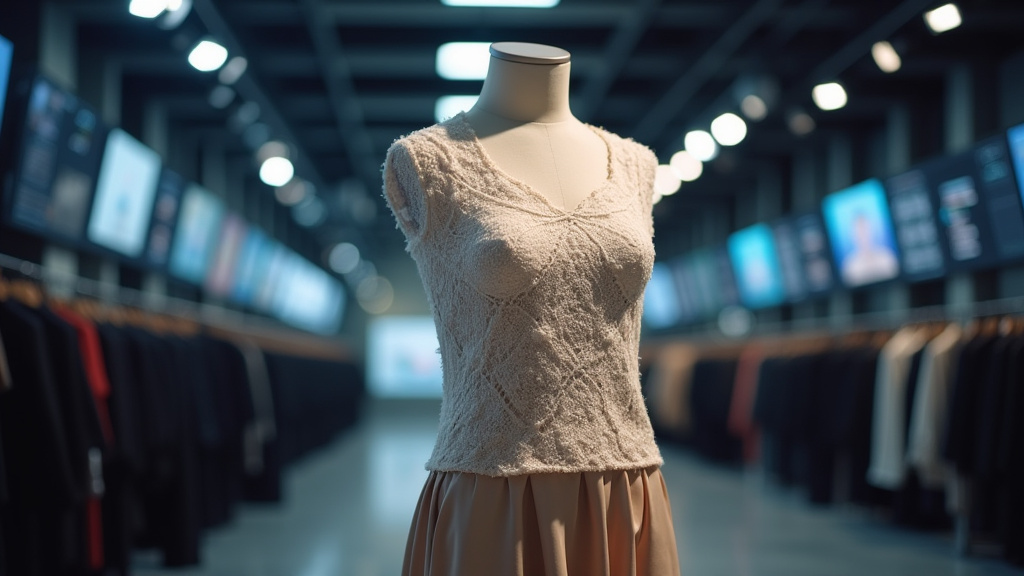
The financial implications of this trend are best understood through the specific performance metrics reported in recent GS Shop broadcast segments. In a climate where retail agility is paramount, the numbers tell a compelling story of conversion success. The retailer confirmed that its focus on lace-integrated apparel resulted in a sell-through rate of over 1,000 units for knit tops featuring lace detailing. Perhaps more impressively, the demand for more specialized pieces was even higher, with sales exceeding 2,000 units for lace satin skirts.
These figures represent more than just inventory turnover; they signal a broader shift in consumer preference toward textures that offer both comfort and a ‘dressed-up’ aesthetic. As customers move away from the hyper-casual loungewear that dominated previous years, they are actively seeking items that provide versatility. The lace satin skirt, in particular, functions as a hybrid garment—suitable for professional environments while maintaining the evening elegance expected of the fall fashion cycle.
The Mechanism of Live Commerce Success
GS Shop’s ability to move these specific volumes within the constraints of a live broadcast window is a masterclass in modern retail psychology. Unlike traditional e-commerce, which relies on passive browsing and search engine optimization, the live format creates an immediate sense of urgency. When hosts highlight the intricacy of the lace patterns or demonstrate the drape of the satin, they are effectively bridging the sensory gap inherent in digital shopping.
This ‘tactile communication’ is critical. By focusing the camera on the quality of the lace, the weave, and the way the fabric catches light, the retailer replicates the in-store experience. The data suggests that this method—pairing a seasonal trend with a visually demonstrative shopping format—is currently the most effective strategy for inventory liquidation in the apparel sector. It turns a static product into a dynamic, must-have lifestyle piece.
Secondary Angles: Examining the Market Shift
1. The Psychology of Romantic Minimalism: The trend toward lace reflects a broader industry movement known as ‘Romantic Minimalism.’ Consumers are rejecting the loud logos and bright colors of past seasons in favor of subtle, intricate details. Lace provides a vintage, feminine aesthetic that feels timeless rather than transient, making it a safe yet fashionable choice for the Fall 2026 wardrobe.
2. The Supply Chain and Seasonal Timing: The timing of the GS Shop campaign—prior to the peak of the fall season—is a deliberate strategic maneuver. By launching these items early, the retailer captures the ‘early adopter’ market segment. This anticipatory inventory management allows the company to secure full-price sales before competitors flood the market with similar variations later in the quarter.
3. The Evolution of Broadcast Fashion: Historically, televised shopping was viewed as a destination for older demographics, but the popularity of these specific lace items indicates that GS Shop is successfully attracting a younger, more fashion-forward audience. By integrating current ‘it-girl’ aesthetics—specifically the lace-satin combination—the retailer is signaling that it is keeping pace with digital fashion cycles and influencers.
Future Implications for Apparel Retailers
The success GS Shop has experienced with this specific inventory deployment serves as a blueprint for other major retailers. As we progress deeper into the Fall 2026 season, the data suggests that consumers will continue to prioritize pieces that offer perceived ‘value’—defined here as quality fabric and versatility—over trend-chasing disposable fashion. If other retailers hope to replicate these sales numbers, they must look beyond simple discounts and focus on curating collections that tell a cohesive, aesthetically resonant story that can be effectively communicated through real-time media channels.
In conclusion, GS Shop has proven that the right trend, when paired with the right delivery method, can drive exceptional growth. The lace trend is no longer just a design choice; for GS Shop, it is the primary engine of its current financial momentum, proving that in the digital age, the marriage of fabric and platform is the ultimate formula for retail success.