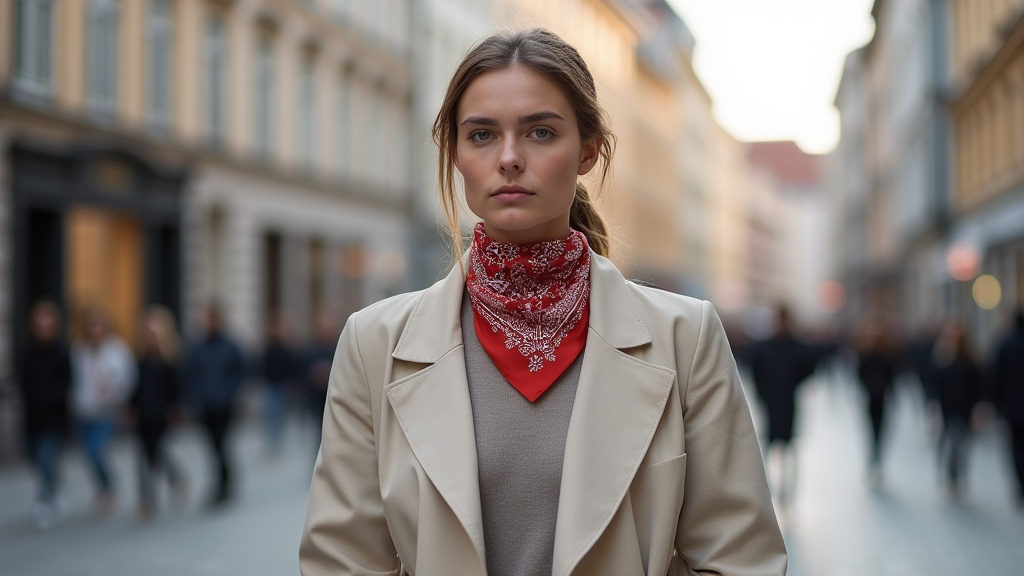
The bandana has re-emerged as the unexpected protagonist of the current fashion landscape, transcending its utilitarian origins to become a high-fashion statement piece. Data from the social shopping platform Depop indicates a staggering 152% increase in bandana sales over the last three months, a metric that underscores a broader shift toward vintage-inspired, low-barrier entry styling. As Copenhagen Fashion Week showcased, the accessory is no longer merely a functional garment but a pivot point for personal branding in the age of circular fashion.
Key Highlights
- Market Surge: Secondhand sales for bandanas have climbed 152% on Depop in the last quarter, signaling a significant consumer pivot toward accessible vintage trends.
- Runway Validation: Major appearances at Copenhagen Fashion Week have solidified the bandana as a central element of the “modern minimalist” look.
- Celebrity Influence: Style icons including Dua Lipa, Zendaya, and Priyanka Chopra Jonas have been instrumental in normalizing the bandana in both street-style and red-carpet contexts.
- Historical Continuity: The trend represents a fusion of 17th-century craftsmanship (from the Hindi word ‘badhna’) and contemporary sustainability-focused consumerism.
The Anatomy of a Revival: From Utility to High Fashion
The current obsession with the bandana—a square of printed fabric—is not merely a fleeting aesthetic whim. It is a calculated intersection of history, economics, and celebrity influence. To understand why this accessory has captured the zeitgeist, one must examine its historical lineage. The bandana traces its etymology to the Sanskrit word “badhna,” meaning “to tie,” a nod to the 17th-century tie-dyeing techniques prevalent in the Indian subcontinent. Throughout the subsequent centuries, it became a staple of the American West, later adopted by 1960s counterculture icons, and eventually, the Y2K streetwear movement. Today, this rich history is being leveraged by fashion designers who utilize the item as a nostalgic anchor in an increasingly digitized and fast-paced aesthetic climate.
The Economics of the “Bandana Boom”
The 152% surge on platforms like Depop is indicative of a broader macroeconomic trend: the democratization of luxury. Unlike high-ticket items, the bandana allows consumers to participate in a luxury aesthetic for a fraction of the cost. This trend is inextricably linked to the rising interest in the circular economy. For Gen Z and Millennial shoppers, the “vintage-inspired” look is often synonymous with sustainable consumption. By purchasing secondhand or vintage bandanas, consumers are bypassing fast-fashion cycles in favor of items with longevity and heritage. This economic behavior suggests that the modern shopper values the ‘story’ behind the garment—its ability to be repurposed, restyled, and passed down—as much as the design itself.
The Celebrity-to-Consumer Pipeline
The influence of global celebrities cannot be understated in this trajectory. When figures such as Dua Lipa, Zendaya, or Priyanka Chopra Jonas adopt an accessory, the effect is instantaneous. In the case of the bandana, these stars have effectively removed the stigma of the accessory as “workwear” or “casual,” repositioning it as a versatile styling element that can accompany everything from a silk slip dress to a formal blazer. This celebrity endorsement cycle functions as a rapid-response mechanism for trends: once the image is captured at a high-profile event, the digital appetite for the item—particularly on resale markets—explodes almost immediately. It is a symbiotic relationship where the celebrity provides the cultural validation, and the secondary market provides the supply.
Copenhagen Fashion Week: The Scandinavian Catalyst
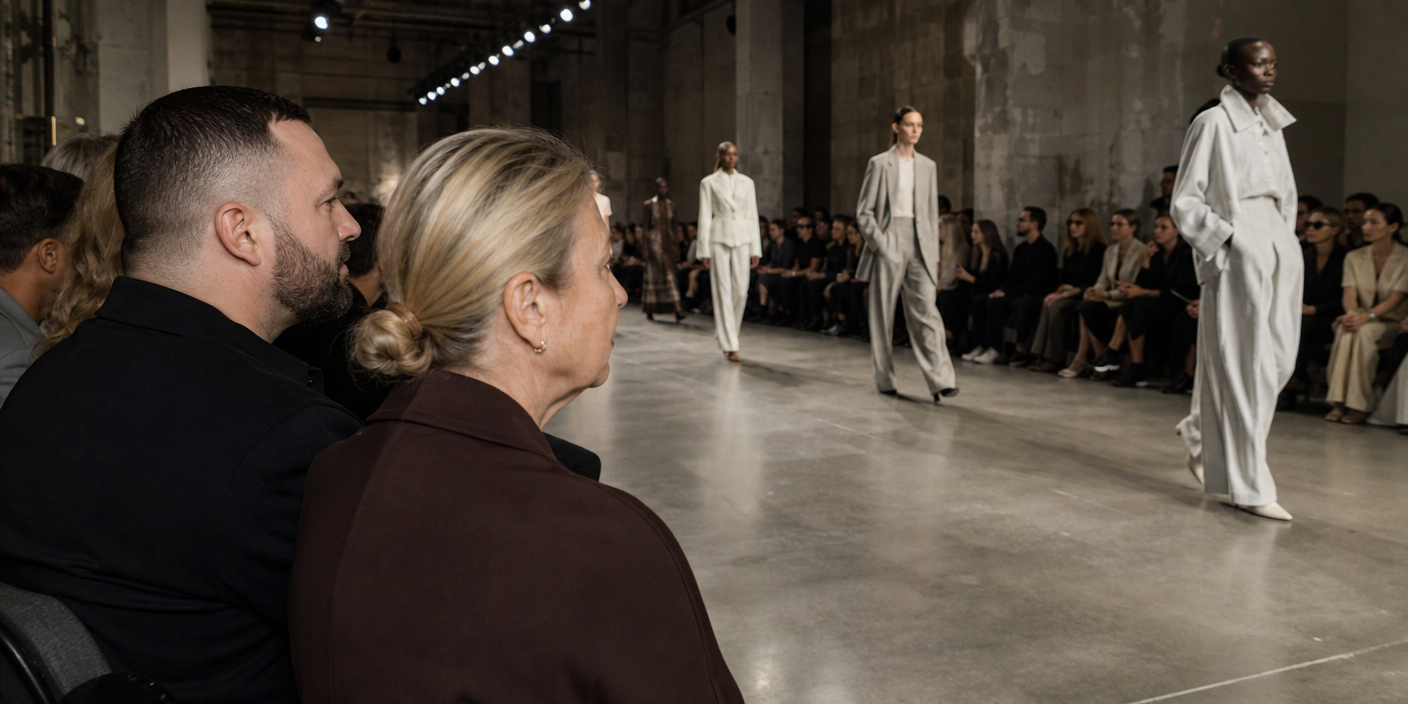
Copenhagen Fashion Week (CFW) has become the global bellwether for what is termed “functional cool.” Scandinavian fashion designers have mastered the art of minimalism, but the recent inclusion of the bandana in CFW collections highlights a subtle, calculated shift toward maximalism. By contrasting minimalist, structured silhouettes with the chaotic, vibrant prints of a classic paisley bandana, designers are creating a visual tension that resonates with the current desire for “individualism.” This approach has been echoed in streetwear, where the bandana acts as the primary focal point of an outfit, allowing for a neutral color palette to be punctuated by the history-laden accessory.
Future Predictions: The Longevity of the Trend
Will this surge endure, or is it a passing fad? Market analysis suggests the bandana is likely to remain a permanent fixture in the “capsule wardrobe” for the foreseeable future. The accessory fits perfectly into the “quiet luxury” trend that prioritizes versatility. As consumers become more hyper-aware of their environmental impact, the bandana’s utility—it can be worn as a headpiece, a wrist accessory, a bag charm, or even a top—aligns with the demand for multi-purpose fashion. We anticipate that this trend will evolve into more sophisticated fabrications, with luxury houses potentially introducing silk and cashmere versions, effectively elevating the bandana from a mass-market staple to a high-end investment piece.
FAQ: People Also Ask
1. Why is the bandana trending right now?
It serves as an affordable, sustainable, and highly versatile accessory that allows for creative styling. The combination of Y2K nostalgia and the push for circular fashion on platforms like Depop has made it a must-have for the current season.
2. Is the 152% sales surge on Depop sustainable?
While the rate of growth is rapid, the bandana’s inherent versatility and low cost suggest it will remain a stable category in the resale market rather than experiencing a total collapse after a single season.
3. How do I style a bandana in 2024?
Modern styling moves away from traditional neck-wear. Current trends favor using the bandana as a head wrap, an accent tied to a handbag, or styled as a tube top or corset-style accessory, reflecting a shift toward inventive, DIY-inspired fashion.