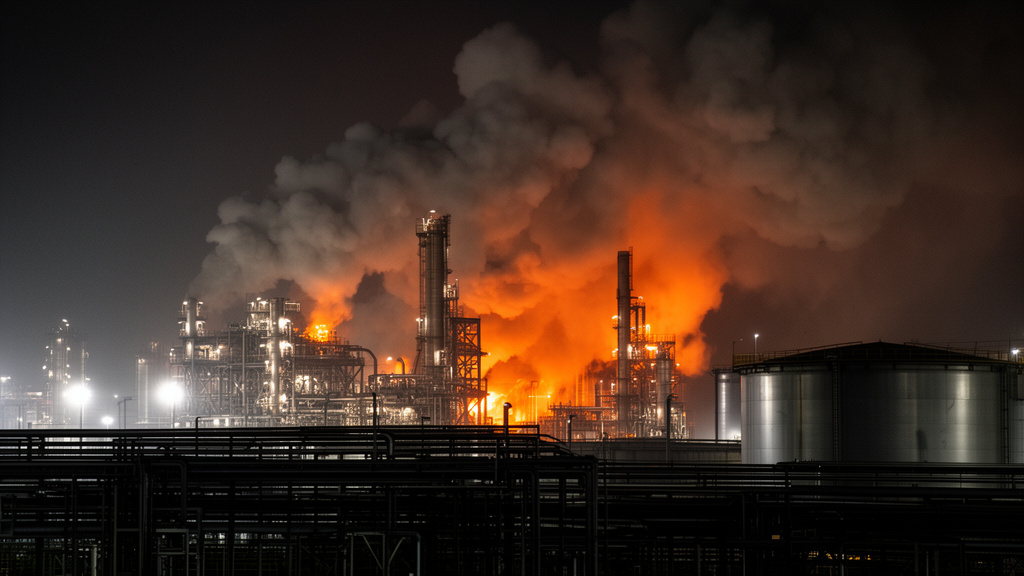
Global diplomatic and environmental tensions are escalating as the US and Iran engage in talks, with Israel reportedly signaling potential disruption. Concurrently, China has issued a sharp retort to the United States, while Europe grapples with extreme heatwaves and Spain’s Prime Minister Sánchez faces renewed political challenges.
Key Highlights:
- US-Iran diplomatic engagement continues amidst Israeli concerns.
- China publicly criticizes and rejects US policy or actions.
- Europe is experiencing severe heatwaves, impacting daily life and infrastructure.
- Spanish Prime Minister Pedro Sánchez is navigating domestic political difficulties.
Geopolitical Chess: US-Iran Dialogue and Israeli Standoff
The delicate dance of international diplomacy is on full display as discussions between the United States and Iran persist. These negotiations, aimed at de-escalating regional tensions, are reportedly facing a significant hurdle: Israel. Sources suggest that Israeli leadership has expressed strong reservations about the ongoing talks, potentially signaling a disruptive force or demanding concessions that could derail the diplomatic process. The complex relationship between the US, Iran, and Israel has long been a critical factor in Middle Eastern stability, and any perceived progress or stalemate in these dialogues carries substantial weight. The implications for regional security, the global energy market, and broader international relations remain a focal point for analysts and policymakers alike.
Iran’s Nuclear Program and Sanctions Relief
At the heart of the US-Iran discussions often lies Iran’s controversial nuclear program. The United States and its allies have long sought guarantees that Iran’s nuclear activities are solely for peaceful purposes, while Iran insists on its sovereign right to nuclear technology. Any potential agreement could involve the lifting of international sanctions that have severely impacted Iran’s economy, in exchange for verifiable limitations on its nuclear enrichment capabilities. Israel’s opposition is often rooted in fears that a less-sanctioned Iran could further destabilize the region or pose a more direct threat to its security.
The Role of International Diplomacy and Regional Alliances
The success or failure of these talks is not just a bilateral matter; it involves a complex web of regional alliances and international powers. The involvement of the European Union as a mediator, and the watchful eyes of countries like Russia and China, add further layers of complexity. Each player has its own strategic interests, and the perceived outcome of US-Iran relations can significantly alter the geopolitical landscape.
East Meets West: China’s Counterpunch to US Assertions
In parallel to the Middle Eastern diplomatic theater, a significant economic and political spat is unfolding between China and the United States. Beijing has recently launched a strong rebuttal against recent US actions or statements, signaling a hardening stance in the ongoing trade and technological competition. This exchange highlights the deepening rivalry between the two global superpowers, which impacts everything from supply chains and market access to technological standards and international governance.
Trade Wars and Technological Competition
The current friction likely stems from ongoing disputes over trade imbalances, intellectual property rights, tariffs, and the burgeoning competition in advanced technologies like artificial intelligence, semiconductors, and 5G networks. China’s