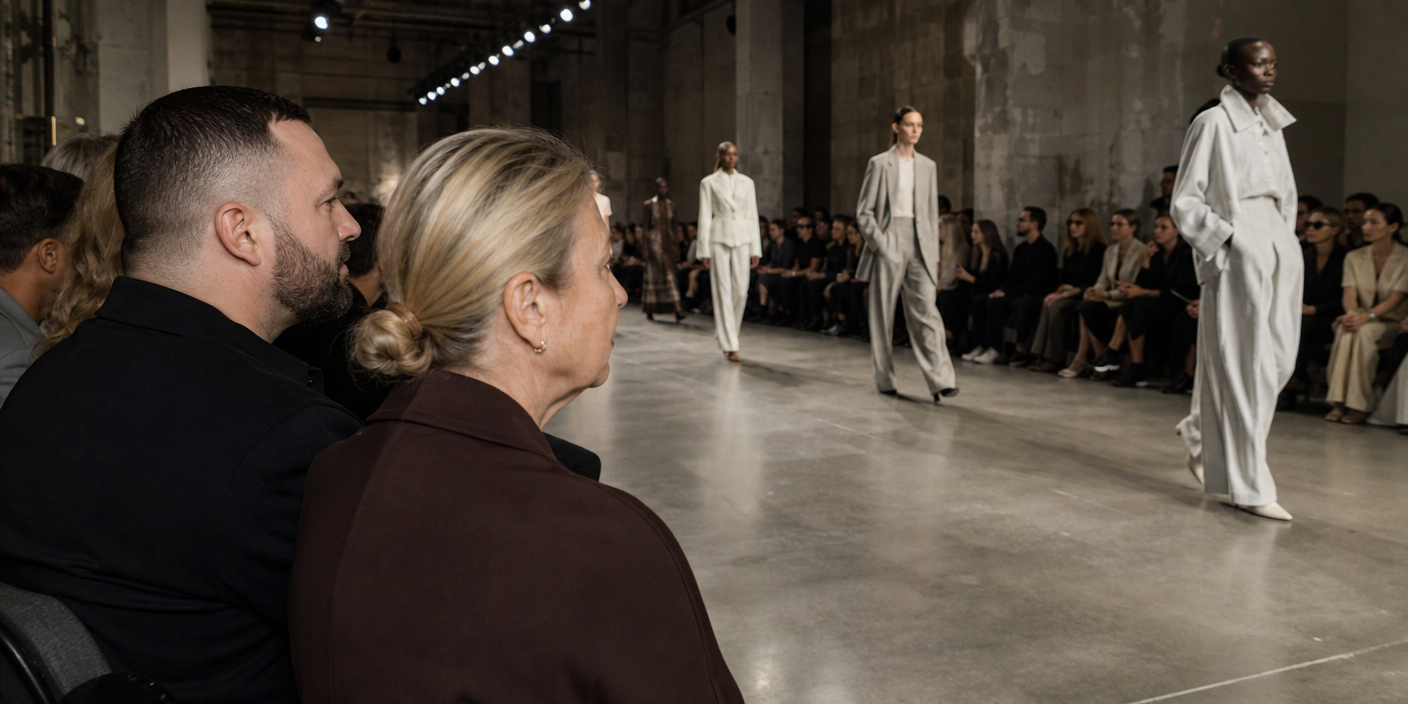
The fashion world is embracing a new era of inclusivity, where ‘EveryBODY’ is celebrated on the runway. This shift signifies a pivotal moment, moving beyond traditional beauty standards to showcase a diverse range of body types, ages, genders, and abilities. The recent fashion shows have highlighted designs that cater to and flatter a multitude of forms, proving that style and confidence are universal.
Key Highlights:
- Diverse Representation: Runways featured models of all shapes, sizes, ages, and backgrounds.
- Adaptive Fashion: Designs are increasingly incorporating elements of adaptive clothing for individuals with disabilities.
- Body Positivity Movement: The industry is actively supporting and amplifying the body positivity message.
- Gender-Fluid Collections: Designers are exploring more fluid and inclusive approaches to gender in their collections.
The Rise of Inclusive Design
A New Standard for Beauty
The fashion industry has long been criticized for its narrow definition of beauty, often excluding large segments of the population. However, a powerful wave of change is sweeping through the sector, driven by a collective demand for representation and authenticity. The recent fashion shows have been a testament to this evolution, with designers consciously choosing to feature a broader spectrum of models. This isn’t just about tokenism; it’s about a fundamental shift in perspective, recognizing that beauty exists in myriad forms and that fashion should be accessible and aspirational for everyone. From petite to plus-size, young to mature, and every body in between, the runways are finally beginning to reflect the real world.
Innovation in Adaptive and Accessible Fashion
Beyond simply showcasing diverse body types, there’s a significant push towards adaptive fashion. This movement focuses on creating stylish clothing that meets the needs of individuals with disabilities. We’re seeing innovative features like magnetic closures, strategically placed zippers, and fabric choices that accommodate medical devices. Brands are collaborating with disability advocates and designers to ensure that these garments are not only functional but also fashionable. This not only provides practical solutions for wearers but also sends a powerful message of inclusion, breaking down barriers and challenging the notion that clothing must be a limitation.
Challenging Gender Norms on the Runway
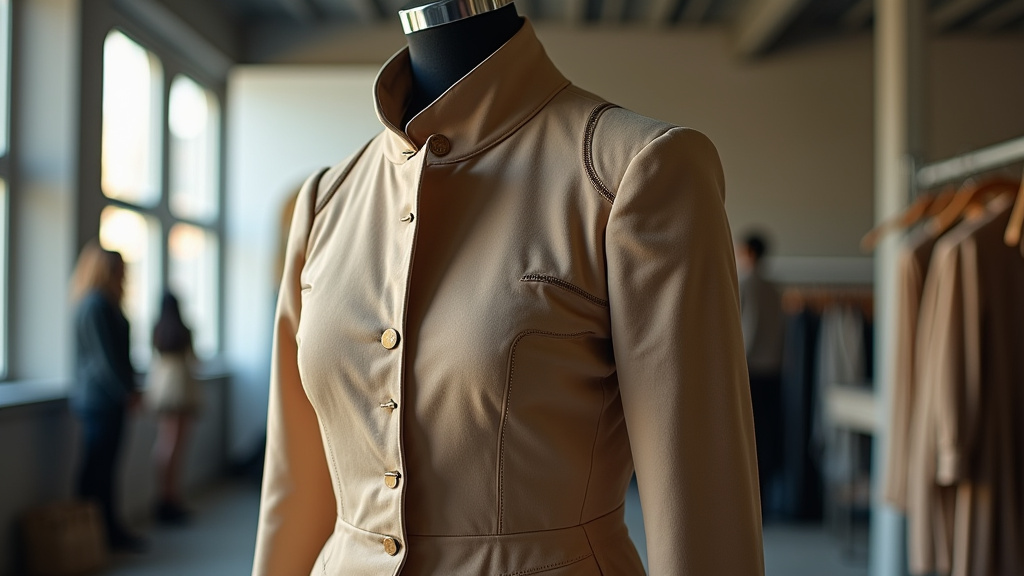
The traditional binary of masculine and feminine fashion is also being dismantled. Designers are increasingly presenting gender-fluid collections, offering garments that transcend conventional labels. This approach allows individuals to express themselves authentically, choosing pieces that resonate with their personal style rather than conforming to societal expectations. The runways are showcasing androgynous silhouettes, versatile pieces, and a broader color palette that appeals across the gender spectrum. This evolution reflects a growing societal acceptance of diverse gender identities and a desire for fashion to be a tool for self-expression rather than a rigid set of rules.
The Economic and Social Impact
This embrace of inclusivity is not just a social imperative; it’s also proving to be a smart business strategy. Brands that champion diversity and authenticity are resonating with a wider consumer base, fostering loyalty and driving sales. Consumers are increasingly making purchasing decisions based on a brand’s values and its commitment to social responsibility. By reflecting the diversity of their customer base, fashion houses are building stronger connections and creating a more sustainable and equitable industry for the future. This shift is a powerful demonstration of how fashion can be a force for positive change, influencing perceptions and celebrating the unique beauty of every individual.
FAQ: People Also Ask
What does “inclusive fashion” mean?
Inclusive fashion refers to the practice of designing, producing, and marketing clothing that is accessible and appealing to a wide range of people, regardless of their body shape, size, age, gender, ethnicity, ability, or other personal characteristics. It aims to break down traditional barriers and create a more representative and equitable fashion industry.
How has the fashion industry changed regarding body diversity?
In recent years, the fashion industry has made significant strides in embracing body diversity. There’s a growing trend of featuring models with a variety of body types, including plus-size, petite, and those with different physical abilities, on runways and in advertising campaigns. This reflects a broader cultural shift towards body positivity and a rejection of unrealistic beauty standards.
What is adaptive fashion?
Adaptive fashion is clothing designed with features that make it easier for people with disabilities or mobility issues to wear and use. This can include elements like easy-to-fasten closures (e.g., magnets, Velcro), adjustable waistbands, discreet openings for medical devices, and fabrics that are comfortable and functional for specific needs.
Why is gender-fluid fashion important?
Gender-fluid fashion is important because it challenges rigid gender norms and allows individuals to express their identity freely through clothing. It offers versatile designs that are not confined by traditional masculine or feminine categories, promoting self-expression and broader acceptance of diverse gender identities.
What is the impact of inclusive fashion on consumers?
Inclusive fashion empowers consumers by making them feel seen, represented, and valued. It allows individuals to find clothing that fits well, suits their style, and makes them feel confident. This can lead to increased brand loyalty and a more positive overall shopping experience, as consumers increasingly align their purchasing choices with brands that reflect their values.