The world is navigating critical climate moments in early 2026. Nations face major global events. These discussions shape our planet’s future. Efforts focus on reducing fossil fuel use. Renewable energy is rapidly expanding. This is a major political event for all.
Following COP30, momentum builds for change. Many countries advocate for a fossil fuel transition. This shift aims for a greener economy. It follows extensive negotiations. These are crucial global events.
The “First International Conference for the Phase-Out of Fossil Fuels” is planned. It will occur in Santa Marta, Colombia. Dates are April 28-29, 2026. Colombia and the Netherlands co-host this major event. It follows a declaration signed by 24 nations. These nations want to transition away from fossil fuels. This conference seeks international cooperation. It aims to identify pathways for this shift. This represents a trending global event.
This initiative aims for practical solutions. It complements the Paris Agreement’s goals. It aligns with legal obligations. States must protect the climate. Addressing fossil fuel production is key. The conference will explore legal routes. It will also examine economic and social pathways. This is a major political event.
Meanwhile, renewable energy surges ahead. Projections show renewables dominating by 2026. They will likely surpass coal power. This marks a historic shift. Solar and wind power lead this growth. China drives much of this expansion. Renewables will form 36% of global power. Coal’s share will drop to 32%. Wind and solar will reach nearly 20% of generation. This is a top trend.
Falling costs fuel this renewable boom. Solar PV and battery storage prices drop. Corporate demand, especially from data centers, also drives growth. Global electricity demand rises. China and India lead this increase. However, this rapid growth faces challenges. Grid infrastructure needs upgrades. Supply chain issues persist. Experts note more urgent action is needed. Ambition must triple by 2030.
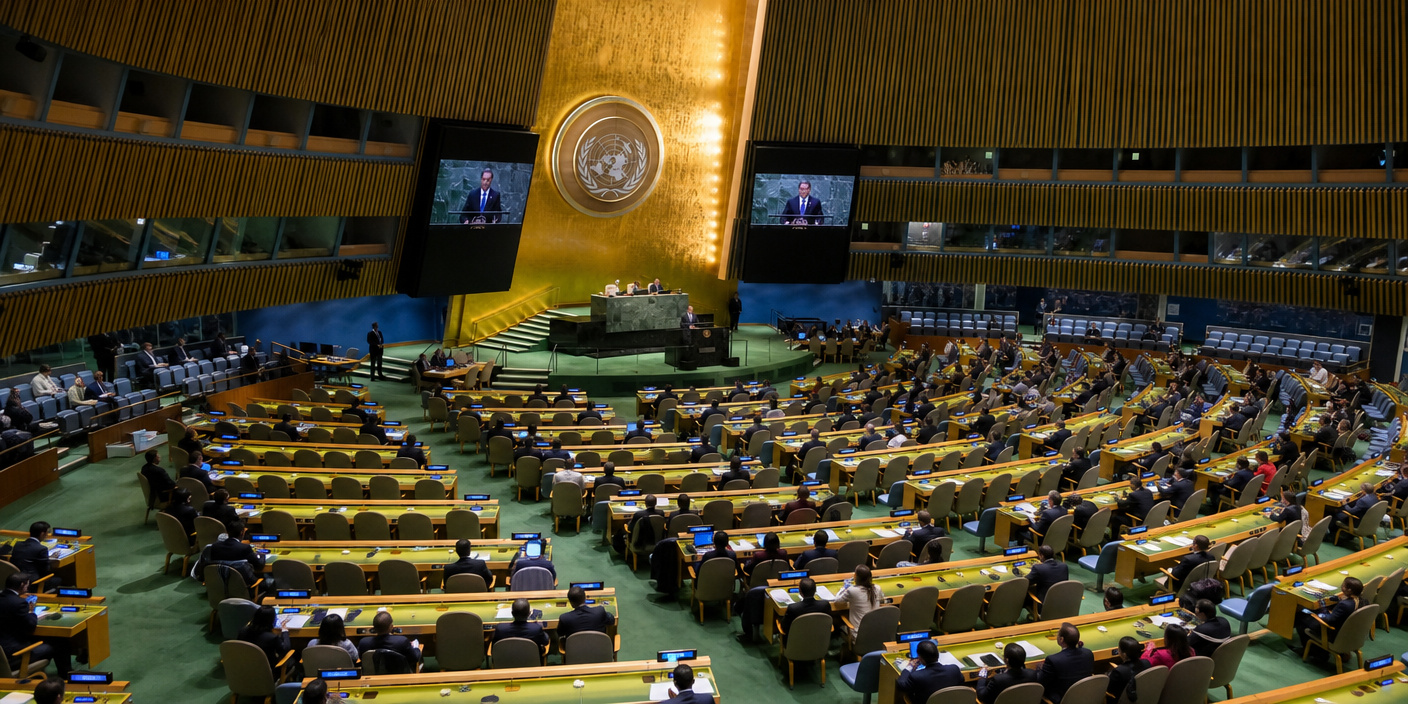
International climate discussions continue. The UNFCCC Subsidiary Bodies meet in Bonn. This technical conference occurs June 8-18, 2026. It advances negotiations on key climate issues. These include adaptation and finance. Outcomes shape future COP meetings. However, challenges to global cooperation emerge. The US reportedly withdraws from the UNFCCC. This move impacts multilateral efforts. It creates new political headwinds. This development is significant news.
Despite setbacks, climate action persists. Nations set updated Nationally Determined Contributions (NDCs). These pledges aim to reduce emissions. Current goals fall short of 1.5°C limits. Denmark and the UK set ambitious targets. The EU also aims for significant cuts. Stronger NDCs signal future policies.
The world faces complex climate trends. These events are major global happenings. This period demands clear action plans. Organizations need stronger evidence of progress. The transition away from fossil fuels impacts markets. It influences long-term strategy. Cities play a vital role in this shift. They are key to decarbonization efforts. These are trending events.
Global climate efforts continue. The path forward requires sustained commitment. International dialogue remains essential. The focus stays on a just transition. This ensures benefits for all communities. The ongoing events highlight this critical need. This is a major global event for humanity.